Local Business Profiles
| Disposable balaclava |
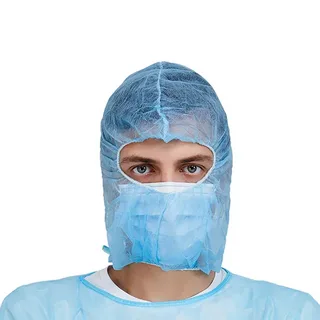
Disposable-balaclavas are a type of protective headgear that covers the face, head, and neck. They are designed to be worn once and then discarded, making them a hygienic and convenient option for a variety of industries and environments. These single-use balaclavas are widely used in industries where cleanliness, hygiene, and personal protection are paramount, such as healthcare, food processing, manufacturing, and construction. Unlike reusable balaclavas, which require regular washing and maintenance, disposable balaclava is designed for single use, offering an easy way to maintain hygiene and prevent cross-contamination. This comprehensive guide will explore the benefits, uses, and key features of Disposable-balaclavas.
What Are Disposable-balaclavas Made Of?
Disposable-balaclavas are typically made from lightweight, breathable materials that offer comfort while ensuring protection. Some of the most common materials used in Disposable-balaclavas include:
Polypropylene
Polypropylene is a popular material for disposable protective gear because it is lightweight, breathable, and moisture-resistant. It is often used in the manufacturing of Disposable-balaclavas, as it provides a comfortable fit and offers basic protection against dirt, dust, and contaminants. Polypropylene balaclavas are ideal for environments where basic protection is required, such as food processing plants or cleanroom settings.
Non-Woven Fabric
Non-woven fabric is another commonly used material in Disposable-balaclavas. Non-woven fabrics are made by bonding fibers together through heat, chemical, or mechanical processes, creating a strong yet lightweight material. Non-woven balaclavas provide good breathability and comfort while offering a barrier against contaminants and particles. This material is often used in healthcare settings, as it provides adequate protection while allowing air circulation to keep the wearer comfortable.
SMS (Spun bond Melt blown Spun bond)
SMS fabric is a tri-layer material made from two outer layers of spun bond polypropylene and an inner layer of melt blown polypropylene. This combination offers both strength and filtration efficiency, making SMS balaclavas a good choice for environments that require a higher level of protection against fine particles and liquids. SMS balaclavas are commonly used in industries like construction, manufacturing, and laboratories, where workers may come into contact with hazardous materials.
Polyester
Some Disposable-balaclavas are made from polyester, a synthetic fabric known for its durability and resistance to moisture. Polyester balaclavas offer good coverage and are ideal for industries where workers are exposed to liquids or light chemicals. These balaclavas are often treated with anti-static or flame-retardant coatings for added safety.
Key Features of Disposable-balaclavas
When choosing Disposable-balaclavas, it’s essential to consider the features that ensure both protection and comfort. Here are some of the key features to look for when selecting a Disposable-balaclava:
Full Head and Neck Coverage
One of the primary functions of a Disposable-balaclava is to provide full coverage of the head, neck, and face (excluding the eyes). This coverage helps prevent the exposure of skin to contaminants, dirt, and hazardous materials, reducing the risk of cross-contamination in environments that require strict hygiene standards. Some Disposable-balaclavas are designed with an extended neck section for extra protection, while others offer a tighter fit for better facial coverage.
Lightweight and Breathable Material
Disposable-balaclavas are typically made from lightweight materials that allow for comfortable, long-term wear. Breathability is a key feature, as it ensures that the wearer stays cool and comfortable, even in hot or humid environments. Balaclavas made from non-woven fabrics or polypropylene provide good airflow, reducing the risk of overheating. Balaclavas with moisture-wicking properties are also available, which help to keep sweat away from the skin, ensuring comfort during extended use.
Elastic or Fitted Design
A fitted design or elastic closure ensures that the balaclava stays securely in place during use. Elastic bands around the face and neck openings provide a snug fit, preventing the balaclava from shifting or slipping, which could expose the wearer to contaminants. For industries where mobility is essential, such as construction or manufacturing, a balaclava with a secure fit ensures that the worker can move freely without constantly adjusting their protective gear.
Anti-Static and Flame-Retardant Properties
Some Disposable-balaclavas come with specialized coatings or treatments to provide anti-static or flame-retardant protection. Anti-static balaclavas are used in environments where static electricity could pose a risk, such as electronics manufacturing or explosive material handling. Flame-retardant balaclavas are essential for workers in industries like welding, metalworking, or firefighting, where there is a risk of exposure to flames or high temperatures.
Hypoallergenic
For individuals with sensitive skin or allergies, hypoallergenic balaclavas are a must. These balaclavas are made from materials that are less likely to cause skin irritation or allergic reactions, making them suitable for prolonged use in healthcare or food processing environments.
Benefits of Using Disposable-balaclavas
Disposable-balaclavas offer several advantages over reusable balaclavas, especially in industries that prioritize hygiene, safety, and efficiency. Here are the top benefits of using Disposable-balaclavas:
Hygiene and Sanitation
One of the main benefits of Disposable-balaclavas is that they are designed for single use, making them an excellent option for environments that require strict hygiene standards. After each use, the balaclava can be discarded, reducing the risk of cross-contamination or the spread of pathogens. This makes Disposable-balaclavas ideal for food processing, healthcare, and cleanroom settings, where maintaining a sterile environment is crucial.
Time-Saving Convenience
Since Disposable-balaclavas are intended for one-time use, they eliminate the need for washing, drying, and storing reusable balaclavas. This saves time and effort for workers and employers, especially in industries where large numbers of employees require protective headgear. Disposable-balaclavas are also easy to stock in bulk, ensuring that workers always have access to fresh, clean gear when needed.
Cost-Effective
While disposable products may seem more expensive in the short term, they are often more cost-effective in the long run for businesses. The cost of washing, maintaining, and replacing reusable balaclavas can add up over time, especially in industries where balaclavas are exposed to hazardous materials or heavy use. By opting for Disposable-balaclavas, companies can avoid the costs associated with cleaning and reduce the frequency of replacements due to wear and tear.
Compliance with Industry Standards
Many industries require workers to wear protective gear that complies with specific safety and hygiene standards. Disposable-balaclavas are often designed to meet these standards, making it easier for companies to ensure compliance with regulations such as those set by the Occupational Safety and Health Administration (OSHA) or Food and Drug Administration (FDA). Disposable-balaclavas also reduce the risk of contamination in sterile environments, ensuring that businesses remain compliant with safety and cleanliness protocols.
Industries and Applications of Disposable-balaclavas
Disposable-balaclavas are used in a wide range of industries, offering protection and hygiene in environments where cleanliness and safety are top priorities. Here are some of the most common industries that use Disposable-balaclavas:
Healthcare
In healthcare settings, Disposable-balaclavas provide critical protection for healthcare workers who are exposed to pathogens, bodily fluids, and other contaminants. These balaclavas are often used in operating rooms, emergency departments, and other sterile environments to protect both the patient and the healthcare provider from contamination.
Disposable-balaclavas are also used in laboratories and research facilities where staff may handle hazardous chemicals or biological materials.
Food Processing
The food processing industry requires strict hygiene protocols to prevent contamination of food products. Disposable-balaclavas are used by workers in food production plants, kitchens, and packaging facilities to protect against hair, skin, and other contaminants coming into contact with food.
Disposable-balaclavas ensure that food production environments remain clean and sterile, reducing the risk of foodborne illnesses and ensuring product safety.
Cleanrooms and Laboratories
Cleanrooms are controlled environments used in industries such as pharmaceuticals, electronics, and biotechnology, where even the smallest particles can cause contamination. Disposable-balaclavas are worn by workers in these environments to protect sensitive products and processes from exposure to hair, skin particles, and other contaminants. In laboratories, Disposable-balaclavas are often used when handling hazardous materials, providing an additional layer of protection for workers handling chemicals or biological agents.
Construction and Manufacturing
In construction and manufacturing, workers are often exposed to dust, dirt, and debris, which can cause irritation or harm. Disposable-balaclavas provide a protective barrier against these elements, preventing skin irritation and keeping contaminants from entering the respiratory system.
Some construction and manufacturing sites also use flame-retardant Disposable-balaclavas for added protection in environments where sparks, flames, or high temperatures are present.
Industrial Painting and Spraying
In industries like industrial painting and spraying, workers are exposed to chemicals, solvents, and paint particles that can irritate the skin and respiratory system. Disposable-balaclavas protect the face, neck, and head from coming into direct contact with harmful substances, reducing the risk of chemical burns, skin irritation, or inhalation of toxic fumes.
Proper Usage and Disposal of Disposable Balaclava
Using and disposing of disposable balaclava correctly is essential for maintaining hygiene and safety in the workplace. Here are some best practices for using and disposing of Disposable-balaclavas:
Proper Donning and Doffing
When putting on a Disposable-balaclava, make sure your hands are clean, and handle the balaclava by the edges to avoid contaminating the fabric. Pull the balaclava over your head, ensuring that your hair, face, and neck are fully covered. When removing the balaclava, handle it by the elastic bands or edges and avoid touching the front of the mask, as it may be contaminated. Wash your hands immediately after removing the balaclava.
Single-Use Only
Disposable-balaclavas are designed for single-use only and should not be reused, even if they appear clean. Reusing Disposable-balaclavas increases the risk of contamination and reduces their effectiveness.
Proper Disposal
After using a Disposable-balaclava, dispose of it in a designated waste bin, ideally one that is used for hazardous or contaminated materials. In healthcare or cleanroom environments, Disposable-balaclavas should be discarded according to the facility’s waste disposal protocols. If the balaclava has been exposed to hazardous chemicals or biological materials, ensure it is disposed of in accordance with safety regulations to prevent contamination.
Conclusion
Disposable balaclavas play an essential role in protecting workers across a wide range of industries, from healthcare to construction. These single-use head coverings provide a hygienic, convenient solution for environments where cleanliness and safety are critical. By choosing the right material, ensuring a proper fit, and following correct usage and disposal practices, Disposable-balaclavas can offer reliable protection against contaminants, particles, and hazardous materials. Investing in high-quality Disposable-balaclavas can help businesses maintain safe, hygienic work environments while protecting their employees from potential health risks.
FAQs
What are Disposable-balaclavas used for?
Disposable-balaclavas are used in various industries, including food processing, pharmaceuticals, and cleanroom environments, to maintain hygiene by covering the head, neck, and part of the face. They help prevent contamination from hair, skin particles, or perspiration.
What materials are Disposable-balaclavas made from?
Disposable-balaclavas are typically made from lightweight, breathable, and non-woven materials such as polypropylene. This fabric is designed to provide comfort while ensuring protection in hygienic or sterile environments.
Are Disposable-balaclavas one-size-fits-all?
Yes, most Disposable-balaclavas are designed as one-size-fits-all. They are made with elastic or stretchable materials to accommodate different head sizes comfortably while offering full coverage.
| Related Business Listings |
| Contact Directory |
| Local Business Profiles |