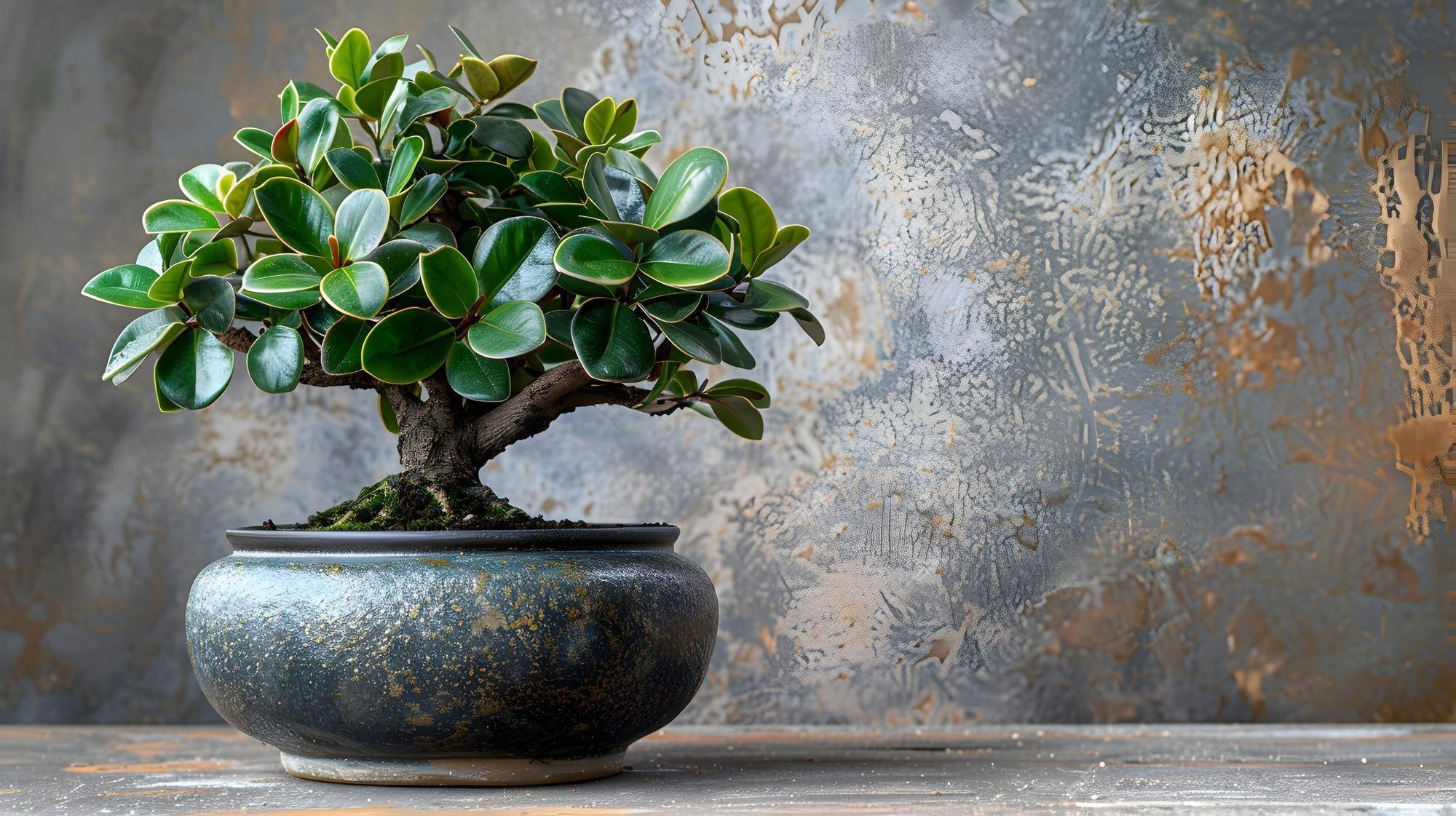
Bonsai Pine trees are revered for their majestic presence and resilience, making them a favorite among bonsai enthusiasts. Their unique needle-like leaves and ability to thrive in various conditions make them an excellent choice for both beginners and seasoned growers. If you’re interested in cultivating a pine bonsai, understanding its specific care requirements is essential. This comprehensive guide will walk you through everything you need to know about pine bonsai care.
Understanding Pine Bonsai
Pine trees belong to the Pinaceae family and encompass numerous species, including Japanese Black Pine (Pinus thunbergii), Eastern White Pine (Pinus strobus), and Scots Pine (Pinus sylvestris). Each species has its unique characteristics, but they share similar care needs, making them an excellent choice for bonsai cultivation.
Benefits of Pine Bonsai
- Aesthetic Value: Pine bonsai add a natural, rugged beauty to any space, symbolizing strength and longevity.
- Cultural Significance: In many cultures, pine trees are associated with resilience and prosperity, making them meaningful additions to your home.
- Air Purification: Like other trees, pine bonsai can help improve indoor air quality by filtering pollutants.
Buying a Pine Bonsai
When you decide to buy bonsai, selecting a healthy pine bonsai is crucial. Here are some tips to guide your purchase:
1. Choose a Reliable Seller
Look for reputable nurseries or online retailers with positive reviews. A trustworthy seller will provide healthy plants and useful care information.
2. Inspect the Plant
Examine the pine bonsai carefully before buying:
- Needles: Healthy needles should be vibrant and firm. Yellowing or browning needles can indicate stress or disease.
- Trunk: A thick, sturdy trunk suggests a well-established tree.
- Roots: If possible, check the roots. They should be white and healthy, indicating good drainage and vitality.
3. Select the Right Species
Choose a pine species that suits your environment and skill level. Japanese Black Pine is popular for beginners due to its adaptability and forgiving nature, while other species may require more specialized care.
Basic Pine Bonsai Care
1. Light Requirements
Pine bonsai thrive in full sunlight. Aim for at least six hours of direct sunlight daily. If you’re growing your bonsai indoors, consider using grow lights during the winter months when natural light is limited.
2. Watering
Proper watering is critical for the health of your pine bonsai:
- Frequency: Water your bonsai when the topsoil feels dry. This may vary depending on the season, so monitor it closely.
- Method: Water thoroughly until it drains out of the bottom of the pot. Ensure proper drainage to prevent root rot.
3. Humidity
Pine bonsai prefer moderate humidity levels. If you live in a dry climate:
- Misting: Occasionally mist the needles to maintain humidity.
- Pebble Trays: Place the pot on a tray filled with water and pebbles, ensuring the pot isn’t submerged.
4. Fertilizing
Feed your pine bonsai with a balanced fertilizer during the growing season (spring and summer). Use a slow-release fertilizer or a diluted liquid fertilizer every 4-6 weeks. Reduce feeding in the fall and winter when the tree is dormant.
5. Pruning and Wiring
Pruning and wiring are essential for shaping your pine bonsai and encouraging growth.
Pruning
- Maintenance Pruning: Trim back new growth to promote denser foliage and maintain the desired shape.
- Structural Pruning: Remove any dead or diseased branches and thin out crowded areas to improve airflow.
Wiring
Wiring allows you to shape the branches. Use aluminum or copper wire and wrap it gently around the branches. Be careful not to wrap too tightly, as this can damage the bark. Monitor the branches and remove the wire once they’ve set in their new positions.
6. Repotting
Repotting is necessary every 2-3 years to refresh the soil and encourage healthy growth. The best time to repot is in early spring, just before new growth begins. Choose a pot that is slightly larger than the previous one, and use well-draining bonsai soil.
7. Pests and Diseases
Pine bonsai can be susceptible to pests like aphids, spider mites, and pine beetles. Regularly inspect your tree for signs of infestation. Treat pests promptly with insecticidal soap or neem oil. Good airflow and proper care will help prevent fungal diseases.
Common Challenges in Pine Bonsai Care
Needle Drop
If your pine bonsai drops needles, it could be due to environmental stress, such as sudden changes in temperature or humidity. Evaluate your care routine and make adjustments as necessary.
Root Rot
Overwatering is the primary cause of root rot. Ensure your pot has adequate drainage and only water when necessary. If you suspect root rot, remove the plant from its pot, trim away damaged roots, and repot in fresh soil.
Brown Tips on Needles
Brown tips on the needles can indicate underwatering or low humidity. Monitor your watering schedule and consider increasing humidity if necessary.
Conclusion
Caring for a pine bonsai can be a fulfilling and enriching experience. With their striking appearance and symbolic significance, these trees can enhance any space. By understanding the specific needs of your pine bonsai and following the care tips outlined in this guide, you can ensure that your tree thrives and flourishes.
Whether you’re looking to buy bonsai or care for one you already own, the journey of nurturing a pine bonsai can teach you patience, creativity, and a deeper appreciation for nature. Embrace the art of bonsai and enjoy the beauty of your pine tree as it grows and evolves over time.