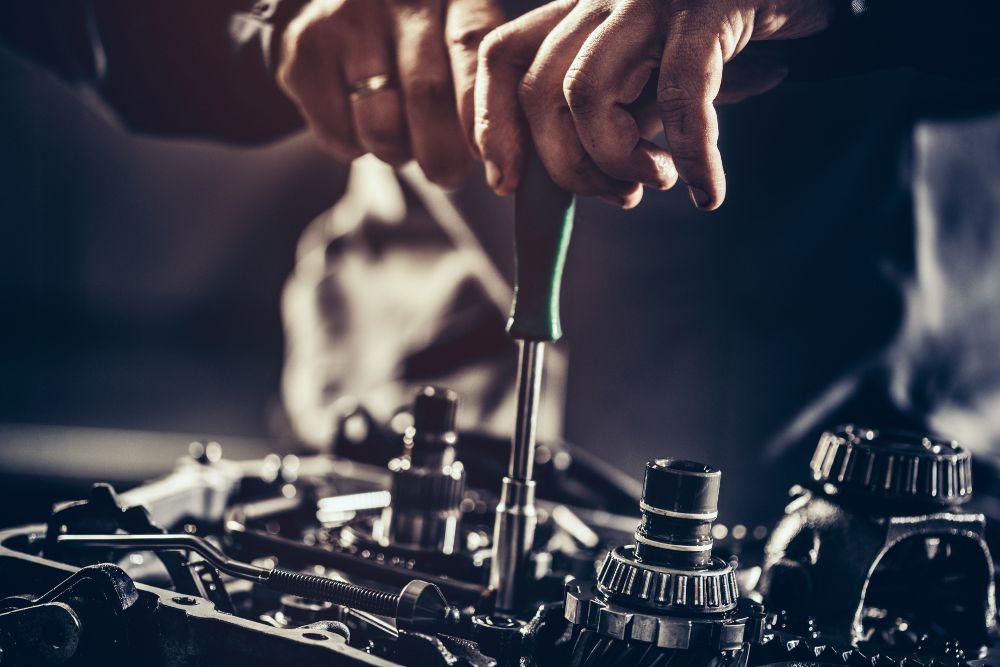
In today’s automotive world, the CVT transmission (Continuously Variable Transmission) has become increasingly popular. Known for its smooth driving experience and fuel efficiency, it replaces traditional gear systems with a belt-and-pulley setup that adjusts seamlessly. However, like any complex system, it requires proper care to last. Neglecting its maintenance can lead to costly repairs or even premature replacement.
This guide provides practical tips to extend the life of your CVT transmission, helping you enjoy a smoother, more reliable drive for years to come.
Why CVT Transmission Maintenance Matters
Unlike standard automatic or manual transmissions, a CVT transmission is designed to constantly adapt to driving conditions. This means it undergoes continuous adjustments, placing more demand on its components. If not maintained properly, issues such as overheating, slipping, or jerking can arise.
By following the right maintenance practices, you can:
- Extend the lifespan of your vehicle’s transmission.
- Avoid expensive repair bills.
- Maintain better fuel economy.
- Keep your car’s performance consistent.
Regular Fluid Changes
One of the most critical steps in CVT care is maintaining the transmission fluid. Unlike conventional transmissions, CVTs rely heavily on clean, high-quality fluid to keep the belt or chain operating smoothly.
Check fluid levels frequently: Low fluid levels can cause overheating.
Follow manufacturer intervals: Most car makers recommend fluid changes every 40,000–60,000 kilometers.
Use the right type of fluid: Only use CVT-specific fluids, as regular automatic transmission fluid is not suitable.
Clean fluid ensures that your CVT transmission avoids unnecessary wear and stays properly lubricated.
Avoid Aggressive Driving
Hard acceleration, towing beyond your car’s capacity, and frequent stop-and-go driving put extra stress on CVTs. Since these transmissions are built for efficiency rather than raw power, driving gently helps prolong their lifespan.
Tips to follow:
- Accelerate smoothly instead of flooring the pedal.
- Avoid sudden braking when possible.
- Do not overload your vehicle beyond the recommended weight.
By treating your transmission gently, you help preserve the belt and pulleys, keeping the CVT transmission running efficiently.
Keep an Eye on Warning Signs
Early detection of problems can save you from costly repairs. Be mindful of the following warning signs:
- Strange noises like whining or humming.
- Delayed acceleration or jerky movement.
- Overheating alerts from the dashboard.
- Reduced fuel efficiency.
If you notice any of these issues, consult a certified mechanic immediately. Ignoring small problems can lead to complete CVT transmission failure.
Ensure Proper Cooling
Overheating is one of the leading causes of CVT damage. Since the transmission operates continuously, it generates more heat than traditional gear systems.
- Check your car’s cooling system regularly.
- Install an auxiliary cooler if you frequently drive in hot climates or tow loads.
- Clean radiators and ensure proper airflow.
Maintaining the correct operating temperature helps prevent damage to the internal belt and fluid.
Routine Inspections by Professionals
While basic care like fluid checks can be done at home, professional inspections are essential. Mechanics with CVT expertise can spot problems that may not be obvious to the average driver.
During an inspection, they will:
- Check fluid condition and levels.
- Inspect the belt or chain for wear.
- Test for software updates to the transmission control module.
- Identify potential leaks or overheating issues.
Scheduling regular check-ups ensures your CVT transmission performs at its best and gives you peace of mind.
Keep Your Software Updated
Modern CVTs often work in sync with your vehicle’s onboard computer. Manufacturers release software updates to enhance efficiency, fix glitches, or address shifting irregularities. Ensuring your vehicle receives these updates during servicing can improve transmission performance and longevity.
Avoid Prolonged Idling
Idling for long periods keeps the transmission engaged unnecessarily. While it might seem harmless, this can lead to overheating in some CVT systems. Whenever possible, shift to park or turn off the engine if you expect to wait for more than a few minutes.
Final Thoughts
The CVT transmission offers smoother driving, better fuel efficiency, and advanced technology compared to traditional gear systems. However, it demands proper care and attention. By following these maintenance tips—regular fluid changes, gentle driving, professional inspections, and proper cooling—you can significantly extend the lifespan of your transmission and avoid expensive repairs.
With the right approach, your CVT-equipped vehicle can provide years of reliable and efficient performance on the road.