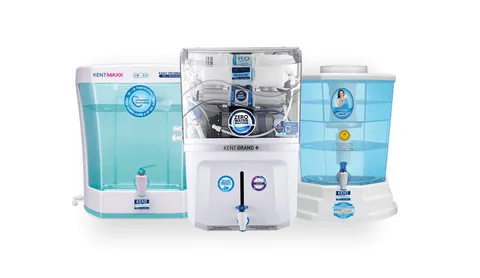
Every household must ensure access to clean, safe, and healthy water. With rising concerns about water quality, selecting an adequate drinking Best Water Filter is vital. This guide explores various filtration systems to help you find the best solution for pure hydration. Understanding the different types of filters and their specific benefits allows you to choose a system that meets your unique needs. Improve taste, reduce contaminants, and enjoy peace of mind with water free from impurities. Dive into the world of home water purification and make an informed choice tailored to your lifestyle.
Identifying Contaminants in Tap Water
Tap water can harbor various impurities, such as chlorine, lead, pesticides, and bacteria. These contaminants often enter the water supply through agricultural runoff, industrial discharge, and aging infrastructure. Consuming water with such pollutants poses multiple health risks. Chlorine, commonly used for disinfection, can react with organic matter to form potentially harmful byproducts.
Lead, often leaching from old pipes, is particularly hazardous for children, affecting their development and cognitive functions. Although used to protect crops, pesticides can seep into groundwater, causing long-term health effects. Bacteria and other microorganisms may cause gastrointestinal infections and other illnesses. Recognizing these threats underscores the importance of choosing a suitable drinking-water filter.
Home Water Purifier for Home
Water Purifier For Home systems offer diverse options suited to specific water quality issues. Activated carbon filters effectively remove chlorine, improve taste, and eliminate odors and organic compounds. They are a popular choice for households prioritizing better-tasting water. Reverse osmosis systems, on the other hand, provide comprehensive filtration by using a semi-permeable membrane to eliminate heavy metals, nitrates, and microorganisms. However, they tend to consume more water and energy, which may be a consideration for eco-conscious households.
Ultraviolet (UV) purifiers neutralize bacteria and viruses using UV light for targeted pathogen removal. While they excel at disinfection, they do not filter out chemical contaminants or sediments. With their micro-pores, Ceramic filters effectively remove bacteria and sediments, making them a reliable choice for water with visible impurities.
For thorough purification, combining methods, such as pairing a reverse osmosis system with a UV purifier, ensures protection from both chemical and biological contaminants, delivering cleaner, safer water.
Activated Carbon Filtration
Activated carbon filters function through adsorption, where contaminants adhere to the surface of the carbon particles. This method is particularly adept at removing chlorine, often responsible for unpleasant tastes and odors in tap water. In addition to chlorine, activated carbon can effectively reduce certain organic compounds, pesticides, and volatile organic chemicals (VOCs), significantly improving your drinking water’s overall taste and quality. However, it’s important to note that while activated carbon is highly efficient in these areas, it may not eliminate heavy metals like lead or pathogenic microorganisms. For these reasons, activated carbon filters are frequently used with other filtration technologies to provide a more comprehensive water purification solution.
Reverse Osmosis Filtration Systems
Reverse osmosis systems utilize a semi-permeable membrane to filter out various contaminants. This process effectively removes heavy metals such as lead, mercury, nitrates, and certain salts. By applying pressure to push water through the membrane, these systems achieve a high level of purification, making them a popular choice for households concerned about multiple water pollutants. However, the process can be wasteful, requiring several liters of water to produce a single liter of purified water. Additionally, the filtration system often requires an electric pump, which can increase energy consumption. Users should weigh the benefits against these considerations when opting for a reverse osmosis system. Regular maintenance, including membrane replacement, is also crucial to ensure the system operates efficiently and continues to deliver high-quality water.
Ultraviolet Water Purification
Ultraviolet (UV) water purification harnesses the power of UV light to disrupt the DNA of bacteria and viruses, rendering them incapable of reproduction and effectively neutralizing them. This method is particularly adept at addressing microbiological contaminants that may cause illnesses. One of the critical advantages of UV purification is that it does not involve adding chemicals, thus maintaining the natural taste of the water. However, it is essential to ensure the water is clear of any particulates before UV treatment, as suspended particles can shield microorganisms from the UV light. This means UV systems are often paired with pre-filters to maximize their effectiveness.
Additionally, while UV technology excels in disinfecting water, it is not designed to remove chemical pollutants or improve taste. Therefore, it is commonly used with other filtration methods to provide a more comprehensive water purification solution. Regular maintenance, such as cleaning and replacing the UV lamp as recommended, ensures optimal performance.
Ceramic Water Filtration
Ceramic filters employ tiny pores to block physical impurities like bacteria and sediments. Crafted from natural ceramic materials, these filters are highly effective in capturing particulates, ensuring the water remains clear and clean. The porous structure traps bacteria, preventing them from passing through and contaminating the drinking water.
These filters are also valued for their durability and longevity, often requiring less frequent replacement than other types. However, they may not effectively remove chemical pollutants such as chlorine or heavy metals, necessitating additional filtration systems for comprehensive water purification. Ceramic filters are particularly advantageous in areas with high sediment content, providing a reliable solution for households seeking to improve water clarity and safety.
Selecting the Ideal Drinking Water Filter for Your Requirements
Selecting the ideal Drinking Water Filter for your home involves understanding your water quality, evaluating your specific needs, and considering various filtration options. Below, we break down the essential factors under three subheadings to help you make an informed decision.
Understanding Your Water Quality: Identifying Contaminants
Before investing in a water filter, it’s crucial to analyze the impurities in your tap water. These contaminants can vary depending on your location and water source.
Water Quality Reports:
Many local water authorities provide annual reports that detail common impurities, such as chlorine, lead, and bacteria.
Home Testing Kits:
For a more personalized assessment, consider purchasing a water testing kit to identify specific issues like sediment levels, heavy metals, or pH imbalances.
Professional Testing Services:
If your water has an unusual taste, odor, or appearance, hiring a professional testing service can provide a comprehensive analysis.
By understanding the specific contaminants in your water, you can choose a filter that directly addresses your concerns, ensuring cleaner and safer drinking water.
Exploring Filtration Options: Matching Filters to Needs
Water filters come in various types, each designed to target specific impurities. Matching the right filter to your household’s needs is critical to achieving optimal results.
Factors to Consider:
Capacity:
Select a filter that meets your household’s daily water consumption needs.
Flow Rate:
Ensure the system delivers water quickly enough to match your usage patterns.
Each filtration option has unique strengths, making it essential to align the system with your water quality concerns and lifestyle.
Budget-Friendly Solutions:
Affordable Options:
Pitcher filters or faucet-mounted systems are economical and practical for basic filtration needs.
Higher Investment Systems:
Reverse osmosis systems and whole-house filters have higher initial costs but offer superior filtration and longevity.
Maintenance Requirements:
Filter Replacement:
Determine how often filters need to be replaced and the associated costs. Activated carbon filters, for instance, may require more frequent changes than ceramic or reverse osmosis systems.
UV System Upkeep:
UV purifiers require regular cleaning and periodic lamp replacements to maintain effectiveness.
Ease of Cleaning:
Look for systems with user-friendly designs that simplify routine maintenance.
Investing in a system that balances cost, ease of upkeep, and durability ensures short-term affordability and long-term satisfaction.
Tips for Installation and Upkeep
Proper installation and regular maintenance are essential to ensuring your water filter operates at peak performance. When installing your water filter, it is crucial to meticulously follow the manufacturer’s guidelines to ensure all components are securely fitted and properly aligned. Different systems, such as reverse osmosis or UV purifiers, may have unique installation requirements. For example, reverse osmosis systems often require specific water pressure levels to function effectively, while UV purifiers need appropriate electrical connections and precise placement of the UV lamp. Ensuring all connections are tight and leak-free is vital to prevent water wastage and maintain the efficiency of the system.
Maintenance is just as critical as installation. Regular inspections of the filter and its housing are necessary to check for signs of wear, damage, or leaks that could compromise the filtration process. Pre-filters, which are designed to trap larger particles, should be cleaned periodically to prevent clogging and maintain optimal flow rates. Neglecting this step can strain the system, reducing its efficiency and lifespan. Additionally, filter cartridges must be replaced according to the manufacturer’s recommended schedule, which typically ranges from six months to a year, depending on the type of system and water usage. Overused cartridges can lose their ability to filter effectively, potentially allowing contaminants to pass through.
To extend the overall lifespan of your water filtration system, it is important to pay attention to its general condition. Components such as hoses, valves, and fittings should be checked regularly and replaced if they show signs of wear or damage. When replacing cartridges, it’s advisable to flush the system as instructed by the manufacturer to remove any residual particles, ensuring the output water is clean and safe for consumption. If the system needs to be disconnected or stored, it should be cleaned thoroughly and kept in a cool, dry environment to prevent bacterial growth or deterioration.
Conclusion
Investing in a quality drinking Best Water Filter is a proactive step towards safeguarding your health and well-being. Home water purification systems come in various forms, each designed to address different contaminants effectively. Each method offers unique benefits, whether it’s activated carbon for enhancing taste and smell, reverse osmosis for removing heavy metals and salts, or UV purifiers for neutralizing bacteria and viruses. Regular maintenance, such as replacing filter cartridges and cleaning UV lamps, ensures these systems function optimally. Consider the specific impurities present in your water and your household needs when selecting the most suitable filter. Enjoy pure, clean water and the peace of mind that comes with it.
Frequently Asked Questions
1. What contaminants are most commonly removed by drinking Best Water Filter?
Drinking Best Water Filter typically target a range of common contaminants, including chlorine, lead, pesticides, bacteria, and volatile organic compounds (VOCs). Each filtration method specializes in removing specific types of impurities, ensuring improved water quality.
2. How often should I replace my water filter?
The replacement frequency varies depending on the type of filter and the manufacturer’s recommendations. Generally, activated carbon filters need replacement every 3 to 6 months, while reverse osmosis membranes may last up to 2 years. UV lamps usually require annual replacement to maintain efficacy.
3. Can I use multiple filtration methods together?
Yes, combining different filtration methods can provide comprehensive water purification. For instance, pairing activated carbon filters with reverse osmosis systems or UV purifiers can effectively address a broader range of contaminants, including chemical pollutants and microorganisms.
| Related Business Listings |
| Contact Directory |
| Local Business Profiles |