When it comes to protecting your home from mosquitoes, most people immediately think of chemical repellents or pesticides. However, these solutions can often have a harmful impact on the environment, as well as your health. Fortunately, there are sustainable, eco-friendly mosquito prevention solutions that can effectively keep these pesky insects at bay while minimizing harm to the planet. In this blog, we’ll explore various eco-friendly alternatives that will help you enjoy a mosquito-free home without compromising on your environmental values.
Why Choose Eco-Friendly Mosquito Prevention Solutions?
Mosquitoes are more than just an annoying nuisance; they can carry serious diseases like malaria, dengue, and Zika virus. As a result, many people turn to chemical pesticides and repellents to keep these insects under control. While these products can be effective, they often come with a range of environmental and health risks, including:
- Toxic effects on wildlife
- Soil and water contamination
- Harmful effects on beneficial insects, like bees and butterflies
Eco-friendly mosquito prevention solutions offer a safer, more sustainable way to manage mosquitoes, protecting both your home and the environment. These alternatives use natural methods and products that are just as effective without the harmful side effects.
1. Use Mosquito-Repellent Plants
One of the simplest and most beautiful ways to prevent mosquitoes around your home is by incorporating mosquito-repellent plants into your garden or indoor spaces. Certain plants naturally repel mosquitoes due to their strong scents. Some of the best mosquito-repelling plants include:
- Citronella: Known for its strong lemon scent, citronella is a popular natural mosquito repellent.
- Lavender: The soothing fragrance of lavender is not only pleasant to humans but also keeps mosquitoes away.
- Basil: This herb’s strong smell is effective in repelling mosquitoes, making it ideal for both indoor and outdoor spaces.
- Marigolds: Their pungent scent acts as a natural mosquito deterrent.
By growing these plants around your home, you can create a natural barrier against mosquitoes without resorting to chemicals.
2. Install Mosquito Screens and Netting
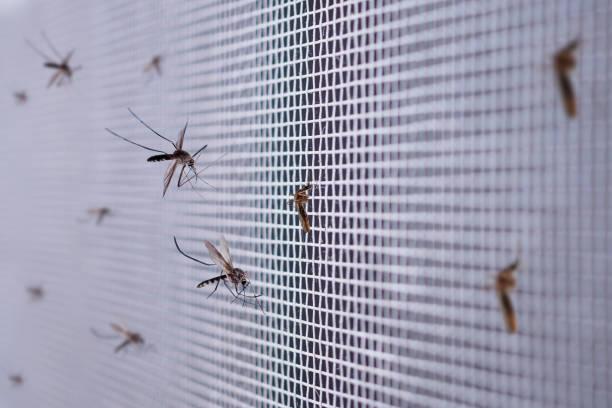
Mosquito nets and screens are a highly effective, non-toxic method of keeping mosquitoes out of your home. Installing mesh screens on doors and windows is a simple way to block mosquitoes from entering your living spaces while still allowing fresh air to circulate.
For outdoor areas like patios or porches, mosquito netting can provide a protective barrier, allowing you to enjoy the outdoors without worrying about bites. Look for netting made from eco-friendly materials like organic cotton or biodegradable fibers for an even greener solution.
3. Eliminate Standing Water
Mosquitoes lay their eggs in standing water, so one of the most important steps in mosquito prevention is to eliminate any stagnant water around your property. This can include:
- Emptying flowerpots, buckets, and birdbaths that collect rainwater
- Cleaning out clogged gutters where water can accumulate
- Ensuring that swimming pools are properly maintained, with the water treated to prevent mosquito larvae from thriving
By reducing standing water sources, you can significantly lower the number of mosquitoes breeding on your property. This is a simple yet effective eco-friendly approach that requires no chemicals.
4. Natural Mosquito Repellents
Instead of chemical-based sprays or lotions, consider using natural repellents made from plant-based oils. These natural products are safer for your health and the environment while still providing effective protection against mosquitoes. Some of the most popular essential oils for repelling mosquitoes include:
- Eucalyptus oil
- Lemon balm oil
- Peppermint oil
- Tea tree oil
You can make your own mosquito repellent by diluting essential oils with a carrier oil like coconut or olive oil, or by mixing them with water in a spray bottle. Additionally, there are eco-friendly mosquito repellents available in stores that use natural ingredients instead of harmful chemicals.
5. Encourage Natural Predators
Encouraging natural predators of mosquitoes is a sustainable way to control their population without harming the environment. Many birds, bats, and other insects feed on mosquitoes and their larvae. You can attract these natural predators to your home by:
- Installing bat houses to encourage bats, which can consume thousands of mosquitoes each night
- Building birdhouses to attract mosquito-eating birds like swallows and purple martins
- Creating a pond with fish like goldfish or koi, which will eat mosquito larvae
By creating a welcoming environment for these predators, you can reduce the mosquito population around your home while supporting local wildlife.
6. Use Eco-Friendly Mosquito Traps
Eco-friendly mosquito traps can help you capture and remove mosquitoes without using harmful chemicals. These traps often use natural attractants like CO2, UV light, or plant-based scents to lure mosquitoes into a container where they are unable to escape. Some of these traps are designed to be used indoors, while others can be placed in outdoor areas like gardens and patios.
Look for traps that are made from sustainable materials, such as recycled plastics, and ensure that they are free from toxic chemicals or batteries.
Conclusion
Mosquito prevention solutions don’t have to come at the expense of your health or the environment. By opting for eco-friendly alternatives, you can effectively keep mosquitoes at bay without resorting to harmful chemicals. From using mosquito-repellent plants and installing screens to eliminating standing water and encouraging natural predators, there are plenty of sustainable solutions for your home.
By making these simple, environmentally conscious changes, you can enjoy a mosquito-free space while also contributing to a healthier planet. Say goodbye to chemical repellents and embrace eco-friendly mosquito prevention today.