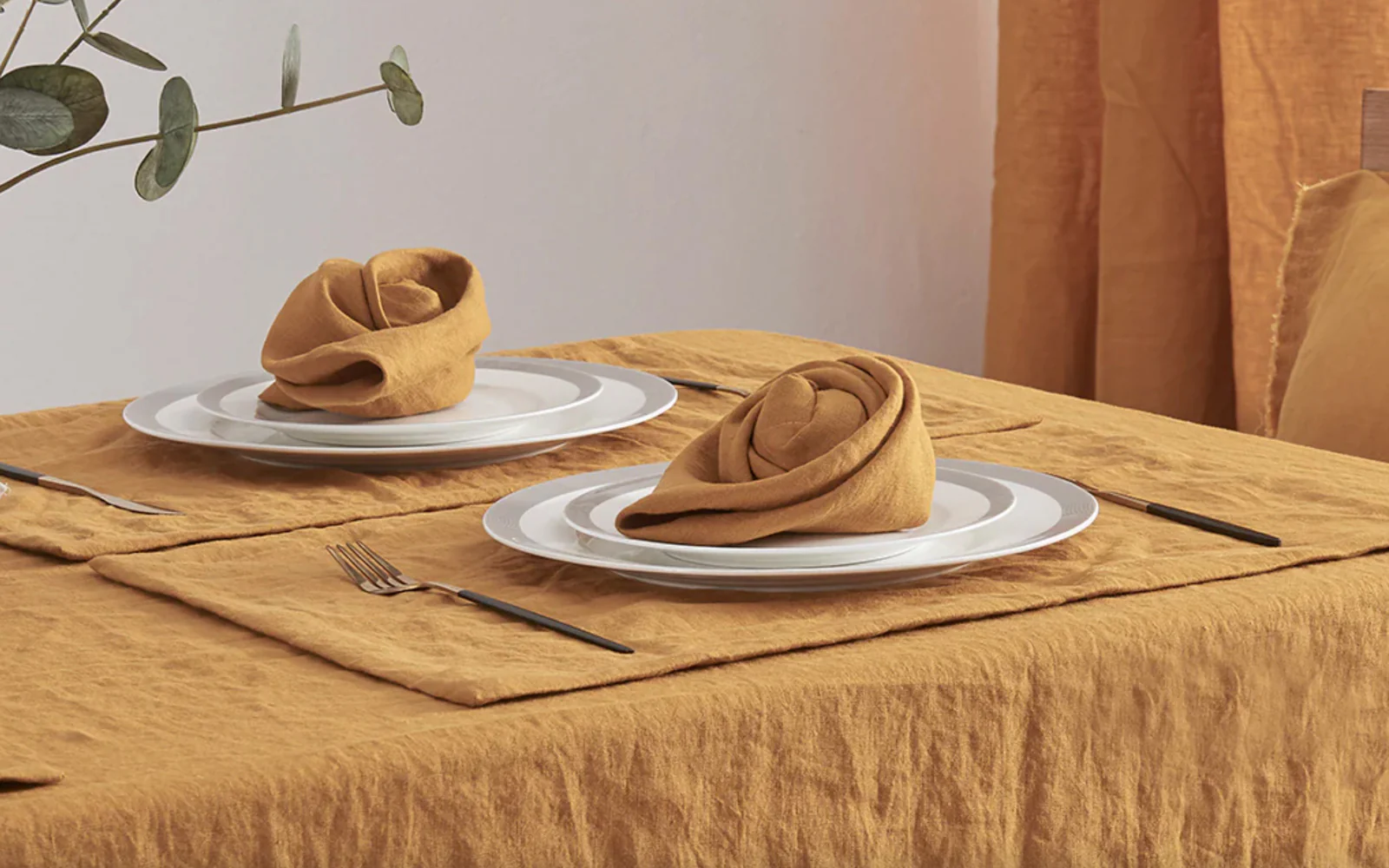
When you walk into a restaurant, attend a wedding, or host a dinner at home, there’s an unsung hero that often sets the tone before a single bite is served — table linen. It’s more than just fabric spread across a table; it’s a reflection of style, culture, hygiene, and hospitality.
Whether in a fine-dining restaurant, a grand banquet hall, or a cozy household, the right table linen enhances the ambiance, protects furniture, and communicates the host’s attention to detail. In the world of hospitality and interior decor, table linen isn’t just functional — it’s foundational.
This article explores the many dimensions of table linen, its materials, types, cultural relevance, care tips, and why investing in high-quality linen is crucial, especially for businesses in the hospitality and event industries.
What Is Table Linen?
Table linen refers to the textiles used to cover and decorate dining tables. This includes:
- Tablecloths
- Table runners
- Napkins
- Placemats
- Chair covers
- Skirting and overlays
These components not only protect the table but also influence the aesthetic and comfort of a dining setting. From casual brunches to black-tie galas, table linen plays a central role in enhancing the experience.
A Brief History of Table Linen
Table linen has an ancient heritage. As early as 500 BCE, the Romans were using textiles at their dining tables. In medieval Europe, white linen was a sign of nobility, while colored or embroidered tablecloths became popular in the Renaissance.
Over time, table linen evolved from a mark of affluence to an essential part of home and hospitality etiquette. Today, while styles and fabrics have diversified, the tradition remains — table linen is a statement of hospitality and refinement.
Types of Table Linen
Different events and settings require different types of linen. Here’s a closer look:
1. Tablecloths
The foundation of any table setting, tablecloths come in various sizes, shapes, and fabrics. They protect the surface, define the theme, and serve as a canvas for the entire arrangement.
2. Table Runners
Placed down the center of the table, runners add a decorative layer and are often used in formal settings or festive occasions.
3. Napkins
Functional and formal, cloth napkins are an elegant alternative to disposable ones. They contribute to the dining experience and often reflect the meal’s sophistication.
4. Placemats
Placemats offer individual space definition for each diner. They’re great for casual meals and help protect against spills and heat.
5. Overlays and Skirts
Used primarily in event planning and catering, overlays add texture and contrast, while table skirts enhance elegance and cover table legs.
6. Chair Covers and Sashes
Not strictly “table” linen, but often paired with it — these items add symmetry and polish to a formal event setup.
Materials Used in Table Linen
Choosing the right material is crucial for both aesthetics and maintenance. Here are the most common options:
1. Cotton
Natural, soft, and absorbent, cotton is a popular choice for everyday dining and casual settings. It’s machine washable and available in countless prints.
2. Polyester
Durable and stain-resistant, polyester is ideal for commercial use. It maintains color after many washes and doesn’t wrinkle easily.
3. Linen (Flax)
True linen is a luxury option known for its texture and breathability. It offers timeless elegance, though it wrinkles more easily than polyester.
4. Damask
A woven fabric with intricate patterns, damask tablecloths are ideal for weddings and upscale events.
5. Satin and Silk
Often used for overlays and high-end decor, these fabrics bring a luxurious, glossy finish, though they require delicate care.
6. Blends
Cotton-polyester blends offer the best of both worlds — the softness of cotton with the durability of synthetic fibers.
Why Table Linen Matters in Hospitality
1. Brand Perception
In restaurants or hotels, table linen communicates the establishment’s standards. Wrinkled or stained fabric suggests neglect, while crisp and well-presented linen elevates the dining experience.
2. Comfort and Cleanliness
Linen adds tactile comfort to the dining experience. A soft napkin or placemat makes guests feel cared for. Moreover, linen acts as a barrier between the table surface and the food, enhancing hygiene.
3. Ambiance Creation
The right table linen defines the mood. White cotton with a satin finish may suit a wedding reception, while rustic burlap runners suit a farmhouse brunch.
4. Reusability and Cost-Effectiveness
Unlike disposable alternatives, quality linen can be washed and reused hundreds of times, making it eco-friendly and cost-efficient in the long run.
Table Linen in Event Management
From corporate events to family reunions, event planners rely on table linen to set themes and ensure consistency across the venue. The choice of color, texture, and layering adds depth and sophistication to the event design.
A few table linen trends in event decor include:
- Layering different textures
- Monochrome palettes with metallic accents
- Bold prints for themed parties
- Sustainable and biodegradable options
Cultural Significance of Table Linen
In many cultures, the dining table is sacred, and its presentation is a matter of pride. For example:
- In France, a perfectly ironed white tablecloth represents sophistication.
- In India, embroidered or handwoven fabrics are often used during festivals.
- In Japan, minimalism dominates, with carefully folded napkins and clean lines.
- In Middle Eastern cultures, rich, colored fabrics express hospitality and generosity.
Wholesale Table Linen for Businesses
Restaurants, hotels, resorts, banquet halls, and caterers rely on wholesale suppliers to meet the high volume of linen required. Here’s what businesses should look for when buying in bulk:
1. Fabric Durability
Can the linen endure hundreds of washes without fading, shrinking, or fraying?
2. Stain Resistance
Hospitality linen must resist wine, oil, and food stains — or release them easily during cleaning.
3. Consistent Sizing and Color
Uniformity is critical in large venues. Minor size differences become very noticeable across a room.
4. Availability of Matching Items
Matching napkins, runners, and overlays ensure a cohesive look.
5. Low MOQ and Competitive Pricing
A reliable supplier should provide low minimum order quantities with reasonable price breaks at scale.
Care Tips for Longevity
Proper care significantly extends the life of table linen.
- Pre-treat stains before washing.
- Use cold or warm water based on fabric.
- Avoid bleach unless fabric is bleach-safe.
- Air-dry or tumble dry on low to avoid shrinkage.
- Iron while damp for a crisp finish.
- Store flat or rolled to avoid creasing and yellowing.
Trends in Table Linen for 2025
As consumer behavior and design aesthetics evolve, so does table linen. Here are some current and upcoming trends:
1. Eco-Friendly Materials
Organic cotton, bamboo blends, and recycled polyester are rising stars in eco-conscious table settings.
2. Maximalist Prints
Bold floral, geometric, or artistic patterns are making waves, especially in luxury dining and pop-up restaurants.
3. Texture Play
Mixing velvet runners with cotton placemats or pairing raw linen with lace overlays adds tactile depth.
4. Personalization
Monogrammed napkins or customized fabric colors for events allow hosts and venues to reflect their identity.
How to Choose Table Linen for Your Space
Ask the following questions:
- What is the occasion? Formal dinners demand rich fabrics and coordinated sets.
- Who are the guests? Children may require stain-resistant, easy-clean fabrics.
- What is the table shape and size? Round, square, and rectangular tables each have different needs.
- What is the desired ambiance? Choose colors and textures accordingly.
Conclusion: Elevate Every Meal with Thoughtful Table Linen
Table linen might not steal the spotlight like the food or the guests, but its presence is undeniable. It quietly enhances the dining experience, reflects culture, provides hygiene, and creates visual harmony. In hospitality and event settings, it’s a crucial part of presentation and perception.
For homes, it turns everyday meals into meaningful moments. For businesses, it’s an essential tool for brand identity, cleanliness, and elegance.
Thornton Mills is proud to supply premium-quality table linen in bulk to hospitality businesses, hotels, event planners, and institutions across the UK — offering both classic elegance and modern innovation, all designed to make every meal memorable.