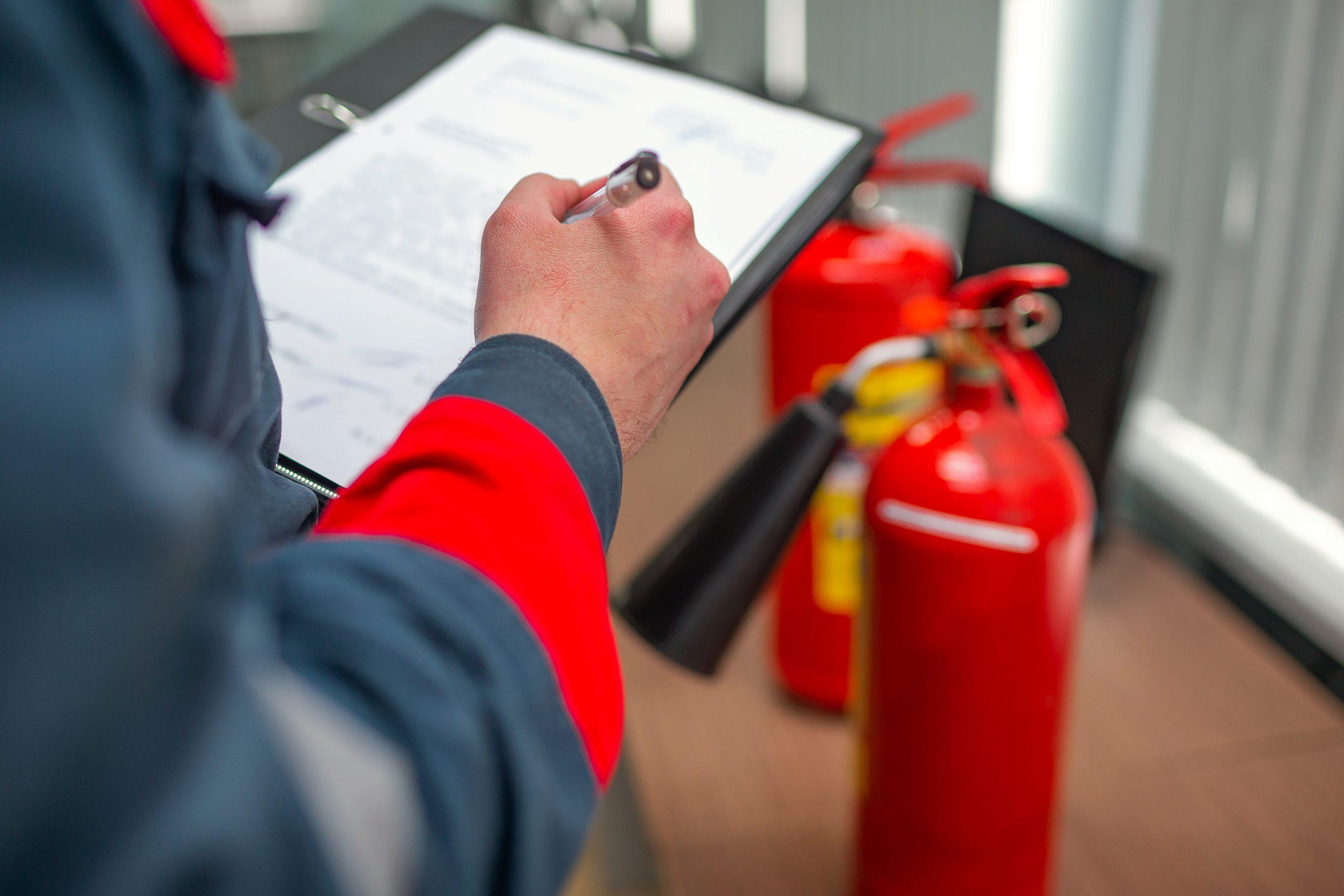
Fire emergencies can strike without warning, posing a significant threat to life, property, and the environment. Effective emergency preparedness requires comprehensive fire protection services to safeguard against these unpredictable disasters. This article delves into the critical importance of fire protection services and how they play an essential role in mitigating risks, ensuring safety, and promoting resilience in the face of fire emergencies.
Understanding Fire Protection Services
Fire protection services encompass a wide array of systems, strategies, and practices designed to prevent, detect, and respond to fire incidents. These services include the installation and maintenance of fire suppression systems, alarms, sprinklers, and extinguishers, as well as fire risk assessments, training, and emergency planning.
Key Components of Fire Protection Services
- Fire Prevention Systems
- Designed to reduce the likelihood of a fire occurring, these systems include regular inspections, risk assessments, and adherence to safety codes and standards.
- Detection and Alarm Systems
- Early detection is critical to minimizing damage. Smoke detectors, heat sensors, and fire alarms play a vital role in alerting occupants to evacuate quickly and safely.
- Fire Suppression Systems
- Technologies such as sprinklers, fire extinguishers, and specialized suppression agents are essential for containing and extinguishing fires.
- Emergency Response Planning
- Preparedness measures, including evacuation plans and drills, ensure that occupants and responders know how to act swiftly during a fire emergency.
- Maintenance and Compliance
- Regular inspections and adherence to fire safety regulations ensure the reliability and effectiveness of fire protection systems.
The Role of Fire Protection Services in Emergency Preparedness
1. Minimizing Risk to Life and Property
Fire protection services are designed to prioritize safety. By integrating advanced fire detection and suppression systems, these services help prevent small fires from escalating into uncontrollable disasters. Early detection systems can alert building occupants, giving them valuable time to evacuate, while suppression systems can extinguish flames before they spread.
2. Ensuring Regulatory Compliance
Local and international fire safety codes and regulations mandate certain fire protection measures for residential, commercial, and industrial properties. Reliable fire protection services ensure compliance with these standards, reducing the risk of legal liabilities and penalties while fostering a culture of safety.
3. Enhancing Business Continuity
For businesses, fire emergencies can disrupt operations and result in financial losses. Reliable fire protection systems can minimize downtime by containing fires swiftly, preserving critical infrastructure, and enabling faster recovery.
4. Supporting Emergency Responders
Firefighters rely on effective fire protection systems to control and extinguish fires safely. Well-maintained suppression systems and clear evacuation plans improve coordination between building occupants and emergency responders, enhancing overall safety outcomes.
The Importance of Professional Expertise in Fire Protection Services
While fire protection systems are essential, their effectiveness depends on professional installation, regular maintenance, and expert guidance. Hiring certified fire protection service providers ensures the following:
1. Accurate Risk Assessment
Professionals assess the unique risks associated with a property, such as building layout, materials used, and potential fire hazards, to design customized fire protection solutions.
2. Proper Installation and Integration
Certified technicians ensure that fire protection systems are installed correctly and integrated seamlessly with other safety mechanisms, such as emergency lighting and evacuation systems.
3. Regular Maintenance and Testing
Scheduled inspections and testing ensure that fire alarms, extinguishers, and suppression systems are functional and up to date, reducing the risk of system failure during an emergency.
4. Expert Training and Education
Fire protection service providers offer training sessions to educate occupants about fire safety protocols, including the proper use of extinguishers and evacuation procedures.
Case Studies Highlighting the Value of Reliable Fire Protection Services
Case Study 1: A Commercial Building Saved by Sprinkler Systems
In 2023, a commercial office building in New York experienced an electrical fire on the fourth floor. The building’s well-maintained sprinkler system activated immediately, containing the fire before it could spread. All occupants were safely evacuated, and damage was limited to a small area, allowing the business to resume operations within days. This incident underscores the importance of reliable fire suppression systems in mitigating fire-related risks.
Case Study 2: Fire Detection Systems Prevent Catastrophe in a School
In 2022, a high school in California was equipped with advanced smoke detectors and an integrated alarm system. When a fire broke out in the cafeteria during non-school hours, the system alerted local fire departments within minutes, preventing significant damage to the property. This case highlights how early detection systems can avert disasters even in unoccupied buildings.
Challenges in Fire Protection Services and How to Overcome Them
1. Aging Infrastructure
Older buildings often lack modern fire protection systems or have outdated systems that fail to meet current safety standards. Property owners should prioritize upgrades and retrofits to ensure compliance and safety.
2. Cost Constraints
The cost of installing and maintaining fire protection systems can be a barrier, especially for small businesses and homeowners. Government grants, insurance incentives, and cost-sharing programs can help alleviate financial burdens.
3. Lack of Awareness
Many people underestimate the importance of fire protection services until an emergency occurs. Awareness campaigns and community education programs can emphasize the need for proactive fire safety measures.
The Future of Fire Protection: Technological Innovations
Advancements in technology are revolutionizing fire protection services, making them more effective and accessible. Key innovations include:
1. Smart Fire Detection Systems
IoT-enabled sensors can detect smoke, heat, and gas leaks with greater accuracy, sending real-time alerts to occupants and emergency responders.
2. Automated Suppression Systems
Robotic fire suppression systems can target flames with precision, reducing collateral damage and enhancing safety in hazardous environments.
3. AI-Powered Risk Assessment
Artificial intelligence can analyze data to identify potential fire hazards, enabling preventive measures before an incident occurs.
4. Sustainable Fire Suppression Solutions
Eco-friendly suppression agents, such as water mist and non-toxic foams, are becoming popular alternatives to traditional chemicals, reducing environmental impact.
Tips for Choosing Reliable Fire Protection Services
- Check Certifications and Licenses
Ensure the service provider is certified and complies with local fire safety regulations. - Evaluate Experience and Expertise
Look for companies with a proven track record in designing and maintaining fire protection systems for similar properties. - Request Comprehensive Services
Choose providers offering end-to-end solutions, including risk assessments, installation, maintenance, and training. - Prioritize Customer Support
Reliable service providers offer 24/7 support and quick response times for emergency repairs and system issues.
Conclusion
Emergency preparedness is incomplete without robust fire protection services. By prioritizing prevention, detection, and swift response, these services play a vital role in safeguarding lives, property, and businesses from the devastating effects of fire emergencies. Investing in reliable fire protection systems and expert guidance is not just a legal obligation but a moral responsibility to ensure the safety and well-being of everyone in the community.
Stay proactive, stay prepared, and ensure that your fire protection measures are always up to standard—because safety is not just a precaution; it’s a commitment.
O