Are you tired of unpredictable temperatures in your home? Struggling with stuffy rooms or drafty corners? You’re not alone! In today’s world, where comfort is king, and energy efficiency reigns supreme, understanding heating and ventilation units has never been more crucial. Whether you’re a homeowner looking to upgrade your system, a DIY enthusiast wanting to learn the ropes, or just curious about how these essential appliances work, our comprehensive guide covers you! Join us as we unravel everything you need about heating and ventilation unit—from types and benefits to maintenance tips that can save you money. Get ready to transform your living space into an oasis of comfort!
Introduction to Heating & Ventilation Units
When the chill of winter sets in or summer heat waves arrive, your home’s heating and ventilation units become unsung heroes. These systems are not just about comfort but are crucial in maintaining a healthy living environment. Imagine stepping into your house after a long day, greeted by consistent warmth in the winter or refreshing coolness during sweltering days.
But there’s more to it than meets the eye. Understanding how these units work and their impact on air quality can empower you as a homeowner. With this comprehensive guide, you’ll delve into everything from types of heating units to common issues you might face along the way. Whether you’re looking to upgrade your current system or simply curious how it all works, we’ve got you covered!
Benefits of Proper Heating and Ventilation System
Proper heating and ventilation system is essential for a comfortable living environment. They ensure that each room maintains an even temperature, preventing cold spots and creating a cozy atmosphere during chilly months. Good heating also protects your home from moisture buildup, which can lead to mould growth. This is especially important in areas like basements or bathrooms where humidity levels rise.
Ventilation plays a crucial role in maintaining air quality. Fresh air circulation reduces the concentration of indoor pollutants, allergens, and odours. This can significantly enhance your family’s health and well-being.
Additionally, efficient heating and ventilation systems contribute to energy savings. When units operate effectively, they use less energy while keeping your space warm and inviting. Investing in these systems ultimately increases property value, as potential buyers often prioritize comfort features when searching for their new home.
Types of Heating Units (Furnaces, Boilers, Heat Pumps)
Furnaces are among the most common heating units in homes. They heat air and distribute it through ductwork, creating a cozy atmosphere even during the coldest months. Furnaces’ efficiency often depends on whether they run on gas, oil, or electricity.
Boilers operate differently by using water to transfer heat. They can provide both space heating and hot water for your home. Radiators or underfloor systems typically deliver warmth from a boiler system, offering a comfortable solution without relying on forced air.
Heat pumps stand out due to their versatility. They can function as both heaters and coolers by transferring heat rather than generating it directly, making them an energy-efficient choice for year-round climate control. Each type has unique benefits and drawbacks, so it’s essential to evaluate which option best meets your needs before making an investment.
How Do Heating Units Work?
Heating units operate by converting energy into heat, which then warms your living space. This process varies depending on the type of unit in use.
Furnaces work by heating air and distributing it through ductwork. They typically rely on natural gas, propane, or electricity as fuel sources. The heated air is pushed out via vents, creating a cozy environment. Boilers function differently; they heat water instead of air. The steam or hot water circulates through pipes radiating warmth throughout your home. This method often provides more consistent temperatures.
Heat pumps move warm air from one place to another. In winter, they extract heat from the outside and bring it indoors. During summer, this process reverses to efficiently cool spaces. Each system has its unique mechanics but ultimately aims for the same goal: keeping you comfortable regardless of outdoor conditions.
Importance of Regular Maintenance for Heating and Ventilation
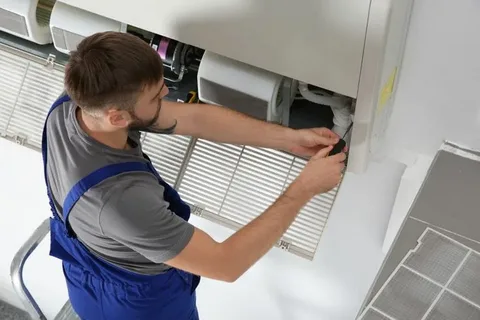
Regular maintenance is crucial for the efficient functioning of heating and ventilation units. These systems provide comfortable indoor temperatures and good air quality, making them an essential part of any building. However, like any other mechanical system, they require regular upkeep to ensure optimal performance.
One of the main reasons why regular maintenance is important for heating and ventilation units is to prevent breakdowns and malfunctions. Over time, these systems can accumulate dust, debris, and other particles that clog filters and ductwork. This reduces their efficiency and puts excessive strain on the components, leading to potential breakdowns. By scheduling regular maintenance checks, these issues can be identified and addressed before they escalate into costly repairs.
Moreover, regular maintenance also helps improve these units’ overall energy efficiency. When a heating or ventilation unit is not maintained properly, it has to work harder to keep up with the desired temperature settings. This results in increased energy consumption and higher utility bills. On the other hand, a well-maintained system operates at its optimum capacity with minimal energy usage, resulting in cost savings in the long run.
Another important aspect of regular maintenance for heating and ventilation units is ensuring good indoor air quality. These systems play a vital role in circulating fresh air throughout a building while removing pollutants such as dust, allergens, and toxins from our air. However, if left unmaintained for extended periods, these pollutants can build up within the system and redistribute back into our living spaces – compromising our health and well-being.
Different Types of Ventilation Systems (Natural, Mechanical, Hybrid)
Ventilation systems play a crucial role in maintaining indoor air quality and comfort. There are three primary types: natural, mechanical, and hybrid.
Natural ventilation relies on the wind and temperature differences to circulate air. Windows, vents, and openings allow fresh air to enter while stale air escapes. This system is simple but depends heavily on outdoor conditions.
Mechanical ventilation uses fans or blowers to actively control airflow within a building. It allows for consistent and adjustable airflow regardless of outside weather conditions. Options include exhaust fans that remove humid or polluted air from kitchens and bathrooms.
Hybrid systems combine natural and mechanical methods for optimized performance. They can automatically switch between modes based on real-time environmental data, ensuring efficient energy use while maintaining good indoor air quality. Choosing the right system depends on your home’s design, climate, and preferences. Each type has its unique advantages tailored to specific needs.
Factors to Consider When Choosing heating and ventilation companies
When choosing heating and ventilation companies, several important factors must be considered to ensure that you make the best decision for your needs. These factors include the company’s reputation, experience, services, pricing, and customer reviews.
Firstly, it is crucial to research the reputation of any heating and ventilation company you are considering. Look for companies with a good track record of providing high-quality services and reliable products. You can check online reviews and ratings from previous customers and ask for recommendations from friends or family who have had experience with HVAC companies.
Experience is another important factor when choosing a heating and ventilation company. Choosing a company that has been in business for several years is advisable as they will likely have more knowledge and expertise in their field. Experienced companies also tend to better understand different types of HVAC systems and can provide efficient solutions for any issues that may arise.
The range of services the company offers should also be considered. A reputable heating and ventilation company should offer various services such as installing, maintaining, repairing, and replacing HVAC units. This will ensure that one reliable source can meet all your heating and cooling needs.
Pricing is another crucial aspect when deciding which heating and ventilation company to choose. While it may be tempting to go for the cheapest option available, it is important to remember that quality comes at a price. Choose a company that offers competitive prices while still maintaining high service standards.
How Does Proper Ventilation Impact Air Quality?
Proper ventilation is crucial in maintaining indoor air quality. It helps circulate fresh outdoor air while expelling stale, contaminated air from inside.
When homes are well-ventilated, pollutants like dust, pet dander, and volatile organic compounds (VOCs) dissipate more effectively. This reduces allergens that can trigger respiratory issues or allergies. Good ventilation also helps control humidity levels. Over time, excess moisture can lead to mold growth and structural damage. Keeping humidity in check creates a healthier living environment.
Moreover, proper airflow prevents the buildup of harmful gases such as carbon monoxide. Regularly exchanging indoor air with fresh outside air ensures toxic substances don’t linger. Investing in an efficient ventilation system enhances comfort levels, too. Consistent, clean air makes your home feel fresher and more inviting for everyone who steps through the door.
Tips for Improving Indoor Air Quality with Your HVAC System
Indoor air quality is crucial to maintaining a healthy and comfortable living environment. Since we spend most of our time indoors, it’s essential to ensure that the air we breathe is clean and free from pollutants. One significant factor impacting indoor air quality is the HVAC (Heating, Ventilation, and Air Conditioning) system in our homes or offices. This section will discuss some tips for improving indoor air quality with your HVAC system.
1.Regular Maintenance
The first and most crucial step towards ensuring good indoor air quality is to have your HVAC system regularly maintained by a professional technician. Over time, dust, dirt, and other contaminants can accumulate in the unit’s filters or ducts, reducing efficiency and spreading pollutants into the air.
2. Change Filters Frequently
Depending on usage, it’s recommended to change your HVAC filters every one to three months. Dirty filters not only reduce the efficiency of your system but also allow pollutants to circulate inside your home. Consider using high-efficiency particulate air (HEPA) filters, which are designed specifically to remove harmful particles from the air.
3. Keep Ducts Clean
Along with changing filters, a professional service provider must also have your ducts cleaned at least once a year. Over time, dust mites, allergens, and mould spores can build up in the ducts and circulate throughout your house when you turn on your AC or heater.
4. Invest in an Air Purifier
If you have someone in your household who suffers from allergies or respiratory issues like asthma or COPD (chronic obstructive pulmonary disease), investing in an air purifier might be worth considering. These devices use HEPA technology to eliminate allergens and other contaminants from the air.
5. Limit Chemical Usage
Many household cleaning products contain harsh chemicals that release volatile organic compounds (VOCs) into the air. These can irritate your respiratory system and cause health issues in the long run. Instead, use simple ingredients like baking soda, vinegar, and lemon instead of natural cleaning products or make your own.
6. Proper Ventilation
Proper ventilation is crucial for maintaining good indoor air quality. Make sure that your home has adequate ventilation to allow fresh air to circulate and prevent the buildup of pollutants. Consider opening windows and doors when weather permits or installing exhaust fans in areas prone to moisture, such as bathrooms and kitchens.
By following these tips, you can significantly improve your home’s indoor air quality with your HVAC system. Remember to stay on top of regular maintenance and cleaning routines to ensure that your HVAC system is functioning efficiently and providing clean air for you and your family to breathe.
Conclusion
Investing in quality heating and ventilation units is essential for any home. These systems play a crucial role in maintaining comfort, health, and efficiency. A reliable heating unit ensures warmth during cold months, while proper ventilation keeps indoor air fresh and clean. Choosing the right equipment enhances your living environment and reduces energy costs over time. Quality systems operate more efficiently, leading to significant savings on utility bills. Additionally, regular maintenance helps prevent costly repairs down the line. A well-functioning HVAC system contributes to better air quality, improving overall well-being for you and your family.
FAQs
1. What is the purpose of a heating and ventilation unit?
A heating and ventilation unit (HVAC) provides a comfortable and healthy indoor environment by controlling the temperature, humidity, and air quality of a space. It circulates heated or cooled air through ducts to maintain a desired temperature.
2. How often should I change my HVAC filters?
It is recommended that you change your HVAC filters every 1-3 months, depending on usage and the type of filter you have. A dirty filter can restrict airflow, making your system work harder and less efficiently.
3. Can I install an HVAC unit myself?
While it may seem like a cost-saving option, hiring a professional for proper installation is highly recommended. An incorrectly installed unit can lead to safety hazards, reduced efficiency, and costly repairs in the long run.
| Related Business Listings |
| Contact Directory |
| Local Business Profiles |