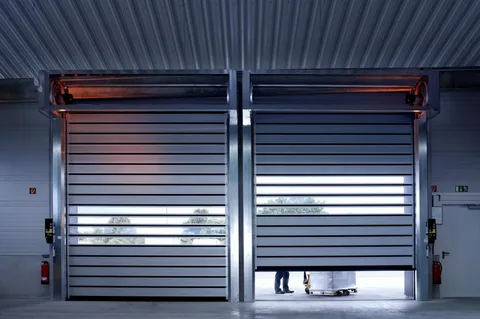
The manufacturing world is constantly evolving, and one often-overlooked element in this transformation is the Industrial Roll Up Doors. These doors might seem simple at first glance, but they play a crucial role in enhancing efficiency and safety within manufacturing spaces. Over the years, advancements in design and technology have revolutionized how these doors function, offering improved durability, energy efficiency, and ease of use. As manufacturers seek innovative solutions for their facilities, understanding the evolution of industrial roll-up doors becomes essential. Let’s explore how these humble entrances have become vital components in modern manufacturing workflows, from traditional designs to smart technology integration.
The Early Use of Doors in Industrial Settings
Doors have long been a fundamental component of industrial spaces. These entrances served basic functions in the early days: shielding workers from harsh weather and securing valuable goods. Simple wooden doors were commonly used, providing minimal resistance to external elements.
As industries grew, so did the need for more durable solutions. Heavy-duty metal doors emerged to meet safety standards while allowing machinery and personnel efficient access. However, their bulkiness often created logistical challenges within busy manufacturing environments.
The limitations of traditional door systems became increasingly apparent as production demands intensified. Workers needed quick access without sacrificing security or energy efficiency, setting the stage for innovations that would reshape entryways in factories and warehouses alike.
Limitations of Traditional Door Systems
Often seen in industrial settings, traditional door systems present several challenges that can hinder operational efficiency. One major limitation is their slow opening and closing speeds. This delay can disrupt workflow, especially in high-traffic areas where quick access is essential.
Additionally, these doors frequently require manual operation or cumbersome mechanisms for automated functions. As a result, they can create bottlenecks during peak hours and increase the risk of accidents as workers rush to open them.
Furthermore, traditional doors are typically less energy-efficient than modern alternatives. Gaps around the frames may allow drafts, leading to temperature fluctuations within manufacturing spaces. These inefficiencies not only affect comfort but also contribute to increased energy costs over time.
Emergence of Roll-Up Doors in Manufacturing
The rise of roll-up doors marked a significant shift in manufacturing facilities. Traditionally, large hinged doors were the standard; however, they posed numerous challenges, like space constraints and slow opening times. Manufacturers began seeking solutions that would enhance operational efficiency.
Roll-up doors quickly emerged as a game changer. Their compact design maximizes vertical space while providing quick access to production areas. This innovation not only streamlines workflows but also improves safety by minimizing traffic congestion at entry points.
As manufacturers embraced automation and fast-paced operations, the demand for reliable door systems grew. Roll-up doors offered seamless integration with various logistical processes, catering to industries ranging from food processing to heavy machinery production. The evolution was driven by a need for speed and functionality in an increasingly competitive market.
Key Materials Used in Modern Roll-Up Doors
Modern industrial roll-up doors are engineered for durability, efficiency, and security, making them indispensable in manufacturing environments. The materials used in their construction play a crucial role in performance, longevity, and adaptability to various industrial demands. Below are the key materials that define today’s advanced roll-up doors.
Steel
Steel remains a top choice for industrial roll-up doors due to its unmatched strength and resistance to impact. Galvanized or stainless steel variants offer additional corrosion resistance, making them ideal for harsh environments like chemical plants or food processing units.
Aluminum
Lightweight yet robust, aluminum roll-up doors are favored for their corrosion resistance and low maintenance. Thanks to their smooth functionality and energy-efficient properties, they are often used in settings requiring frequent operation, such as warehouses.
Polycarbonate
Polycarbonate panels are integrated into roll-up doors for areas requiring natural light and visibility. This material is shatter-resistant, UV-stable, and provides excellent insulation, making it suitable for cleanrooms or temperature-controlled spaces.
Fiberglass
Fiberglass roll-up doors excel in environments with extreme temperatures or corrosive elements. They are non-conductive, lightweight, and rust-resistant, making them a practical choice for electrical substations or marine facilities.
High-Speed Fabric
In high-traffic manufacturing zones, high-speed fabric doors made from reinforced PVC or polyester ensure rapid operation. These materials are flexible and durable and often treated for fire resistance or insulation, enhancing safety and energy efficiency.
These materials ensure modern roll-up doors meet the diverse demands of industrial spaces while optimizing performance and longevity.
Advancements in Door Mechanism Technology
Advancements in door mechanism technology have significantly influenced the evolution of industrial roll-up doors. Modern innovations have transformed how these doors operate, enhancing their efficiency and reliability. One key development is the integration of innovative technology. Sensors can now monitor door operation and provide real-time data on performance. This allows for predictive maintenance, reducing downtime and extending the lifespan of the doors.
Additionally, improvements in automation have made operating roll-up doors smoother than ever. With remote control and mobile app management, operators can easily manage access without being physically present. Safety features have also improved with advanced mechanisms that prevent accidents during operation. Safety edges and automatic reversing systems ensure that personnel are protected while maximizing productivity.
Energy efficiency is another focus area, with newer models designed to minimize heat loss or gain during operations. This helps maintain optimal working conditions and contributes to sustainability efforts within manufacturing spaces.
Benefits of Industrial Roll Up Doors for Manufacturers
Industrial Roll Up Doors offer significant advantages for manufacturers. Their space-saving design allows for efficient use of floor areas, making them ideal in environments where every square foot matters. Unlike traditional swinging doors, these doors roll vertically, enabling easy access even in tight spaces.
Durability is another key benefit. Made with robust materials like steel or aluminum, roll-up doors withstand the rigors of industrial settings. They resist wear and tear from heavy usage and harsh weather conditions, ensuring longevity and reducing maintenance costs.
Additionally, these doors enhance security by providing a sturdy barrier against unauthorized access. Many models come equipped with advanced locking systems that deter theft and vandalism. Manufacturers can have peace of mind knowing their equipment and inventory are better protected with reliable industrial roll-up doors.
Integration with Automation and Smart Systems
Integrating industrial roll-up doors with automation and intelligent systems has transformed manufacturing spaces. These doors can now be operated remotely, allowing seamless control through smartphones or central management systems. This not only enhances convenience but also streamlines workflow.
Smart sensors in these door systems ensure they open and close at the right moments, reducing wait times and increasing efficiency. Manufacturers can program specific settings tailored to their operational needs, making it easy to adapt to varying production schedules.
Moreover, integrating these doors into broader building automation frameworks boosts overall facility intelligence. With real-time monitoring capabilities, businesses can optimize energy usage while maintaining productivity. This synergy between technology and infrastructure represents a significant leap forward in modern manufacturing practices.
Enhancing Safety Through Door Innovations
Safety is paramount in any manufacturing environment. Industrial roll-up doors have evolved to prioritize worker safety through innovative designs and features. These doors often incorporate sensors that detect obstructions, preventing accidental closures that could lead to injuries.
Moreover, materials used in modern roll-up doors are designed with safety in mind. Many feature flexible components or soft edges that reduce the risk of injury upon impact. Enhanced visibility options, such as transparent panels or built-in lighting, provide employees and machinery operators with better awareness.
Additionally, advanced control systems enable remote operation and monitoring of door functions. Workers can safely open or close these doors while maintaining a safe distance from potential hazards. Such innovations significantly create a safer workplace dynamic where efficiency meets protection.
Improving Energy Efficiency with Modern Designs
Modern industrial roll-up doors are designed with energy efficiency in mind. Manufacturers now utilize advanced insulation materials that help maintain optimal temperatures inside facilities. This is crucial for operations that rely on climate control, reducing energy costs significantly.
Contemporary designs use sealing technology to minimize air leaks. Tight seals prevent drafts and keep conditioned air from escaping, enhancing energy savings. This attention to detail benefits operational budgets and contributes to a more sustainable manufacturing environment.
Innovative features like solar-powered motors have also emerged. These systems harness renewable energy to operate doors efficiently, reducing reliance on traditional power sources. As industries push towards greener practices, modern roll-up doors play an essential role in achieving these sustainability goals while maintaining functionality and convenience.
Customization Options for Different Manufacturing Needs
Manufacturers often face unique challenges that require tailored solutions. Industrial roll-up doors are no exception. Customization options allow businesses to select sizes, materials, and designs that fit specific operational needs.
For instance, some environments may need fire-rated doors for safety compliance, while others might prioritize insulation against temperature fluctuations. A facility’s choice of color and finish can also align with branding or aesthetic preferences.
Beyond functionality and style, manufacturers can integrate various features, such as windows for visibility or high-speed operation for increased efficiency. These personalized specifications ensure that industrial roll-up doors not only serve their primary purpose but also enhance overall productivity within manufacturing spaces.
Conclusion
The journey of Industrial Roll Up Doors reflects the ongoing evolution within manufacturing spaces. These doors have transformed from simple barriers to sophisticated solutions tailored for modern needs. Manufacturers now benefit from enhanced functionality, efficiency, and safety. With advancements in materials and technology, these doors meet diverse operational demands. Whether it’s a high-speed opening mechanism or energy-efficient designs, there’s a solution for every requirement. Customization options enable manufacturers to integrate these doors seamlessly into their facilities. As industries continue to evolve, so will the innovations surrounding industrial roll-up doors. Embracing these changes can significantly impact productivity and overall operational success in any manufacturing environment.
FAQs
As industrial environments evolve, so do the systems that support them. Roll-up doors have become an essential component of modern manufacturing facilities. They blend functionality and efficiency, adapting to the ever-changing needs of production spaces. Here are five frequently asked questions about industrial roll-up doors:
What are the main benefits of using Industrial Roll Up Doors in manufacturing?
Industrial Roll Up Doors offer quick access, improved security, and enhanced insulation compared to traditional door systems. Their design allows for seamless movement between different areas within a facility.
What materials are commonly used for industrial roll-up doors?
Modern roll-up doors can be made from various materials, including steel for strength, aluminum for lightweight applications, polycarbonate for visibility and light transmission, fiberglass for durability against corrosion, and high-speed fabric which enhances operational speed.
How do automation features enhance the use of roll-up doors?
Automation allows these doors to open or close without manual intervention. This increases workflow efficiency while minimizing human error and potential hazards during operation.
Are there customization options available for specific manufacturing needs?
Yes! Manufacturers can customize size, color, and material type and add features like windows or insulation tailored to their specific requirements.
How do modern designs improve energy efficiency in factories?
New technologies reduce air leakage through better seals and insulation properties. This leads to significant energy savings by maintaining temperature control within production spaces.
| Related Business Listings |
| Contact Directory |
| Local Business Profiles |