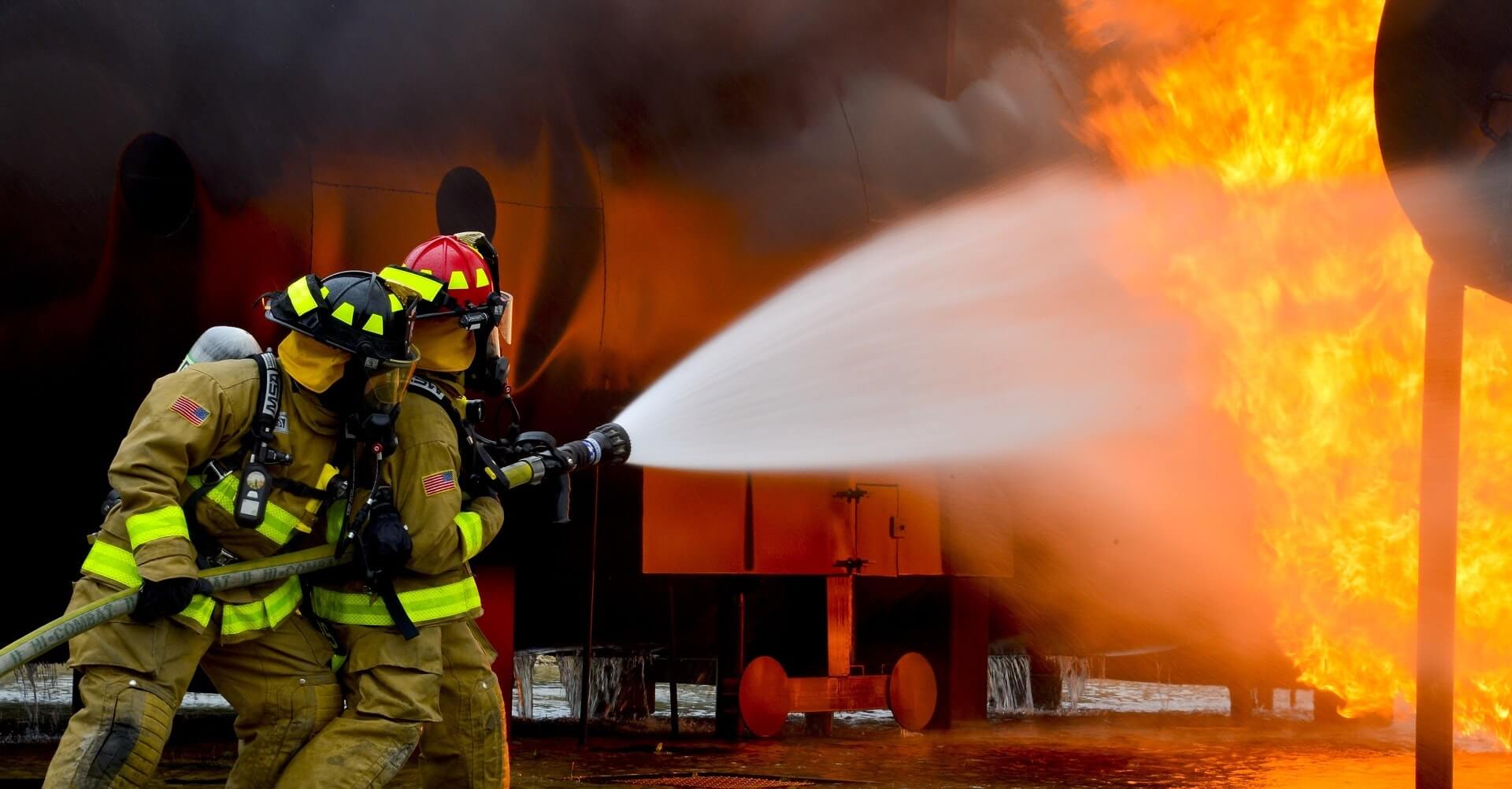
When it comes to safeguarding your business, Fire Protection Services are a cornerstone of any comprehensive safety plan. Fires can cause devastating damage, disrupt operations, and jeopardize lives. A well-implemented fire protection strategy not only ensures compliance with safety regulations but also provides peace of mind. Here is a detailed fire protection services checklist to help ensure your business is prepared for emergencies.
1. Conduct a Fire Risk Assessment
A fire risk assessment is the first step in preparing for emergencies. This involves:
- Identifying Fire Hazards: Determine potential fire risks such as flammable materials, faulty electrical wiring, or heat-producing equipment.
- Assessing Vulnerabilities: Evaluate which areas or processes in your business are most susceptible to fires.
- Documenting Findings: Keep a detailed record of identified risks and mitigation measures.
- Regular Updates: Review and update the fire risk assessment periodically or after significant changes in operations or layout.
2. Install Fire Detection and Alarm Systems
Early detection of fires is critical. Ensure that your business is equipped with:
- Smoke Detectors: Install smoke detectors in all critical areas, including storage rooms, hallways, and workspaces.
- Heat Detectors: Use heat detectors in areas prone to high temperatures where smoke detectors may not be effective.
- Alarm Systems: Install a centralized alarm system that alerts all occupants and connects to emergency services if possible.
- Testing and Maintenance: Schedule regular inspections to ensure all detectors and alarms are functioning properly.
3. Install Fire Suppression Systems
Fire suppression systems help control or extinguish fires, limiting damage. Common systems include:
- Sprinkler Systems: Install automated sprinklers throughout your building, especially in high-risk areas.
- Fire Extinguishers: Place appropriate fire extinguishers (e.g., Class A, B, C, or D) in easily accessible locations.
- Specialized Suppression Systems: Use systems like gas-based suppression for server rooms or chemical-based systems for kitchens.
- Regular Servicing: Ensure all suppression systems are inspected and maintained according to manufacturer guidelines.
4. Develop an Emergency Evacuation Plan
An effective evacuation plan can save lives during a fire emergency. Key components include:
- Clear Exit Routes: Designate and mark multiple exit routes that are free from obstructions.
- Assembly Points: Identify safe areas for employees to gather after evacuation.
- Signage and Lighting: Install illuminated exit signs and emergency lighting to guide occupants in low visibility.
- Employee Training: Conduct regular fire drills to familiarize employees with evacuation procedures.
5. Provide Employee Training
Proper training ensures employees know how to respond in case of a fire. Training should cover:
- Fire Prevention Measures: Educate employees on identifying and mitigating fire hazards.
- Use of Fire Extinguishers: Train staff on how to operate fire extinguishers effectively.
- Emergency Response Protocols: Teach employees how to raise alarms, call emergency services, and assist with evacuation.
- Regular Refreshers: Conduct periodic training sessions to reinforce knowledge and skills.
6. Implement Fire Safety Policies
Establish clear fire safety policies to promote a culture of safety. These policies may include:
- No Smoking Rules: Designate smoking areas away from flammable materials.
- Housekeeping Practices: Ensure the proper storage and disposal of waste to minimize fire risks.
- Maintenance Schedules: Regularly inspect and maintain fire protection equipment and infrastructure.
- Visitor Guidelines: Educate visitors about fire safety rules and emergency procedures.
7. Maintain Fire Doors and Escape Routes
Fire doors and escape routes are essential for safe evacuations. Ensure:
- Fire Doors are Functional: Test fire doors regularly to confirm they close properly and are not obstructed.
- Escape Routes are Clear: Keep all escape routes free from debris or blockages.
- Compliance with Regulations: Ensure that fire doors and escape routes meet local fire safety codes.
8. Test and Inspect Electrical Systems
Electrical faults are a common cause of fires. Regularly inspect your electrical systems to:
- Identify Faulty Wiring: Repair or replace damaged or outdated electrical wiring.
- Prevent Overloading: Avoid overloading circuits and ensure proper distribution of electrical loads.
- Inspect Equipment: Check machinery and appliances for wear and tear.
- Hire Professionals: Use certified electricians for inspections and repairs.
9. Collaborate with Local Fire Departments
Engage with your local fire department to enhance preparedness. This collaboration can involve:
- Site Visits: Invite fire department personnel to familiarize themselves with your premises.
- Emergency Drills: Coordinate fire drills to test your emergency response plans.
- Consultation: Seek advice on improving fire safety measures and compliance.
10. Use Fireproof Materials
Incorporating fire-resistant materials can significantly reduce fire risks. Consider:
- Fireproof Coatings: Apply fire-resistant paints and sprays to structural elements.
- Fire-Resistant Furniture: Use furnishings made from fireproof materials.
- Building Materials: Construct or renovate using non-combustible materials where possible.
11. Conduct Regular Fire Drills
Fire drills are essential for testing and improving your emergency response plan. During drills:
- Simulate Emergencies: Create realistic fire scenarios to test preparedness.
- Evaluate Performance: Assess how well employees follow evacuation procedures.
- Identify Gaps: Address weaknesses in the plan and update protocols accordingly.
12. Keep Fire Safety Documentation
Maintaining thorough records is vital for compliance and audits. Your documentation should include:
- Fire Risk Assessments: Keep updated copies of assessments and action plans.
- Inspection Reports: File records of equipment inspections and maintenance.
- Training Records: Document employee training sessions and participation.
- Emergency Plans: Store copies of evacuation plans and safety policies.
13. Invest in Emergency Communication Systems
Effective communication is critical during a fire emergency. Equip your business with:
- Public Address Systems: Use PA systems to relay emergency instructions.
- Two-Way Radios: Provide key personnel with radios for direct communication.
- Mobile Alerts: Use mobile notification systems to inform employees of emergencies.
14. Evaluate and Upgrade Systems Regularly
Fire safety is an ongoing process that requires continuous improvement. Periodically:
- Review Fire Protection Measures: Assess the effectiveness of current systems and protocols.
- Upgrade Technology: Invest in advanced fire protection systems as they become available.
- Address New Risks: Adapt to changes in business operations that may introduce new fire hazards.
15. Secure Comprehensive Fire Insurance
Despite the best precautions, fires can still occur. Protect your business by:
- Choosing the Right Policy: Select fire insurance that covers property, equipment, and business interruption.
- Reviewing Coverage: Ensure your policy reflects the current value of assets and operational needs.
- Understanding Terms: Familiarize yourself with policy exclusions and claim procedures.
Conclusion
A comprehensive fire protection services checklist is an indispensable tool for any business. By proactively addressing fire risks, maintaining safety systems, and fostering a culture of preparedness, you can protect your business, employees, and assets. Regularly revisiting and updating your fire safety measures ensures that your business is always ready to face emergencies with confidence.