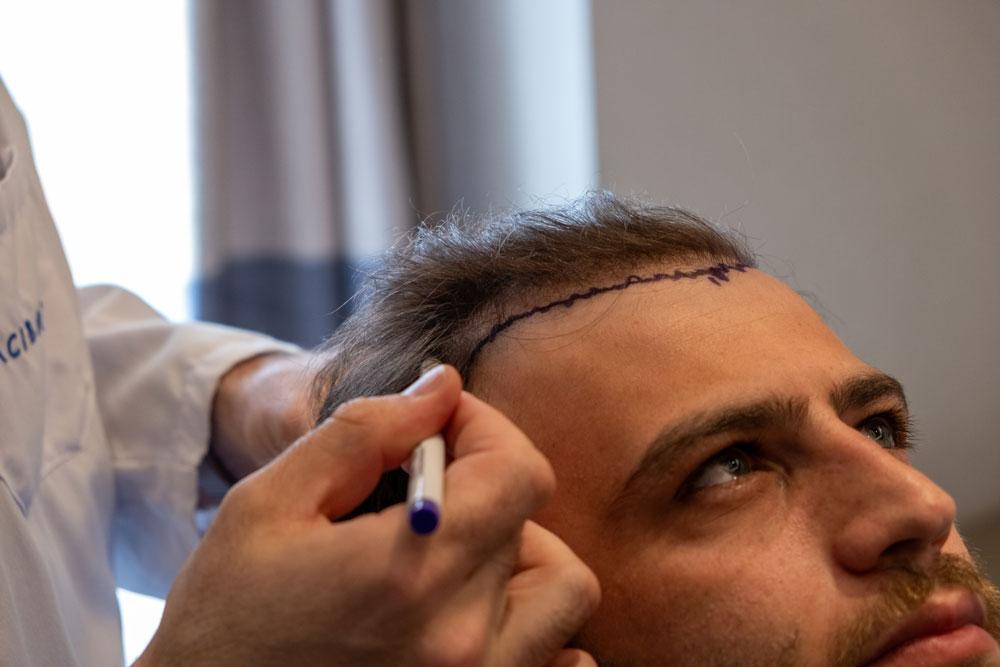
Going through a Hair Transplant can be a major step toward reclaiming your confidence and achieving a fuller head of hair. But while the procedure is significant, the recovery process plays an equally crucial role in determining your final results. The good news? With the right approach, healing can be both fast and safe. Hair Transplant in Dubai offers practical recovery tips that ensure you get the most out of your experience while minimizing discomfort and potential setbacks.
Understanding the Recovery Journey
Recovery from a Hair Transplant doesn’t happen overnight, but it also isn’t something to be feared. Most individuals begin to resume daily routines within a few days. However, healing the scalp and ensuring the transplanted follicles settle and grow properly requires time and care. Knowing what to expect and what actions to take during this period can make all the difference.
The First 72 Hours: Handle With Care
The first few days after the procedure are critical. This is the time when your scalp is most sensitive and the transplanted follicles are still settling into place. During this period:
- Avoid Touching or Scratching: Even though your scalp may feel itchy or tender, resist the urge to touch the area. Scratching can dislodge newly placed follicles and slow healing.
- Sleep with Head Elevated: Use a few pillows to prop your head up at a 45-degree angle. This reduces swelling and avoids unnecessary pressure on the treated area.
- Limit Physical Movement: Refrain from bending over, lifting heavy objects, or engaging in strenuous activities. These can increase blood flow to the scalp and potentially disrupt the healing follicles.
Proper Hair Washing Technique
Washing your hair correctly after a Hair Transplant is essential to remove debris, reduce the risk of infection, and keep the scalp clean without harming the grafts. Here’s how:
- Wait Until Approved to Wash: Typically, you’ll need to wait at least 48–72 hours before your first wash.
- Use Gentle Products: Opt for a mild, fragrance-free shampoo. Pour it into your hand, dilute it with water, and then gently tap it onto your scalp.
- Avoid Direct Shower Pressure: Instead of letting water stream directly onto your head, use a cup to gently rinse or a soft shower spray from a distance.
- Pat Dry Only: After washing, use a soft towel to pat your scalp dry. Never rub or scrub.
Managing Swelling and Discomfort
Mild swelling and discomfort are common in the days following a Hair Transplant. To manage these effectively:
- Apply Cold Compresses (Correctly): If swelling occurs, apply a cold compress to the forehead—never directly on the scalp. This helps reduce puffiness without disturbing the grafts.
- Stay Hydrated: Drinking plenty of water helps your body flush out toxins and aids the healing process.
- Avoid Anti-inflammatory Products Unless Instructed: While it might seem logical to use anti-inflammatory agents, some may interfere with the healing response. Always proceed with caution and prioritize rest over unnecessary products.
Avoiding Direct Sunlight and Environmental Hazards
Your scalp becomes extra sensitive to external elements during recovery. Protect it by:
- Wearing a Loose-Fitting Hat: If you must go outdoors, cover your scalp with a clean, loose-fitting cap that doesn’t rub against the grafts.
- Staying Indoors During Peak Hours: Limit sun exposure, especially between 10 AM and 4 PM when UV rays are strongest.
- Avoiding Dusty or Polluted Areas: Dirt, smoke, and dust can irritate your scalp or cause infection. Stay in clean environments when possible.
Say No to Smoking and Alcohol
Both smoking and alcohol can significantly hinder your body’s healing capacity. Nicotine constricts blood vessels, reducing blood flow to your scalp, while alcohol dehydrates your system and can thin your blood, increasing the risk of bleeding. Ideally, refrain from both for at least a week or two after the procedure to support faster healing.
Don’t Rush Hair Styling or Products
Your new hair will take time to settle, and the surrounding scalp is still delicate. Avoid styling products such as gels, sprays, or dyes for at least a few weeks. These products can irritate the scalp and affect the growth of new hair. It’s also advisable to hold off on hairdryers, curling irons, or straighteners during this period.
Nutrition: Fuel Your Recovery from Within
What you eat impacts how your body heals. Focus on:
- High-Protein Foods: Proteins help repair tissue and build new cells, making them crucial during recovery.
- Vitamins A, C, D, and E: These vitamins support cell regeneration and boost immune function.
- Iron and Zinc: Essential for hair strength and follicle development.
Eat a balanced diet rich in lean meats, leafy greens, fruits, whole grains, nuts, and seeds to maximize healing potential.
Be Patient With Shedding and Regrowth
It’s completely normal for transplanted hair to shed within the first few weeks. This is a part of the natural cycle. Don’t panic—this is only temporary. New hair growth usually begins around 3–4 months post-procedure, and full results can take up to a year. Stay patient and consistent with your care.
Final Thoughts: Protect Your Investment
Recovering from a Hair Transplant Dubai is a process that requires commitment, but the rewards are worth it. The key is to follow aftercare instructions precisely, avoid shortcuts, and listen to your body. A few weeks of gentle handling can lead to a lifetime of improved hair confidence. By being proactive and responsible during recovery, you’ll not only speed up healing but also protect the quality of your final results. So stay consistent, nourish your body, and keep your focus on the bigger picture—natural-looking, fuller hair that reflects the effort and care you put into your journey.