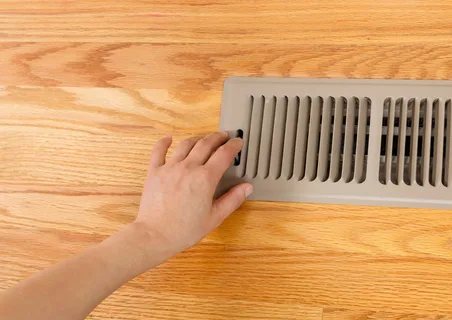
Vents are vital for distributing warm air from your HVAC system, ensuring each room in your home stays comfortable. Their correct placement and condition significantly affect your system’s efficiency. Knowing where your heating-vents are located and how they function helps you better monitor their performance and spot any irregularities. This awareness helps identify specific problems, such as blockages or airflow issues that could compromise your Heat Vent system. Understanding these elements is essential for proper maintenance and optimal heating system functionality.
The Significance of Routine Heat-Vent Maintenance
Routine maintenance is key to maintaining your heating system’s performance. Regularly cleaning and inspecting your heat-vents can significantly improve airflow and energy efficiency. Dust and debris accumulation can obstruct the airflow, forcing your HVAC system to work harder, which leads to higher energy consumption and increased wear on the system.
Simple tasks such as vacuuming vents, cleaning filters, and ensuring vents are debris-free can enhance your system’s efficiency and longevity. Regular maintenance ensures that your home stays comfortable and prevents larger, more expensive issues that can arise from neglecting your vents. Additionally, keeping vents clear will help maintain consistent heating and reduce the chances of breakdowns.
Inspecting Your Heating-Vents Efficiently
An effective inspection process begins with a visual assessment of each vent. Start by checking for any obvious signs of damage or blockages that could hinder airflow. Ensure all vents are firmly in place, with no loose parts or gaps that might allow air to escape.
Pay attention to any unusual noises or changes in airflow, as these can indicate internal issues such as duct leaks or blockages within the system. A thorough inspection involves checking the visible parts of the vents and evaluating the entire system for potential problems. If you detect any issues, address them promptly to avoid larger complications that may require costly repairs or replacements.
Techniques for Cleaning Vented Heating
Cleaning your heating-vents requires the right tools and techniques to ensure effective maintenance without causing damage to the system. Use a vacuum with a brush attachment to remove dust and debris from vent openings. A soft, damp cloth can wipe the vent surfaces and remove accumulated grime.
Consider using a flexible vent brush to reach into the ductwork and remove inaccessible dirt with a regular vacuum for deeper cleaning. Also, don’t forget to clean filters regularly, as they can accumulate dirt and particles hindering airflow. If your system allows, carefully remove and clean vent covers to reach difficult-to-clean areas and ensure optimal airflow throughout your home.
Identifying and Resolving Blocked Heat-Vents
Blocked heat-vents can lead to uneven room temperatures and cause strain on your heating system, reducing its overall effectiveness. Blockages can occur due to the accumulation of dust, furniture placement, or even debris trapped inside the ducts. To identify blockages, check the airflow from each vent to determine if the heat distribution is consistent across all rooms.
A vent is likely obstructed if you notice any hot or cold spots. Use appropriate tools, such as a vacuum or flexible brush, to clear the debris from the vents. Ensuring that all vents remain free from obstructions will help your system run efficiently and evenly distribute heat throughout your home.
Tackling Unpleasant Smells Emanating from Heating Vents
Unpleasant odours from your heating vents can indicate underlying issues, such as mould growth, trapped debris, or accumulated dust. If you notice a musty or stale smell, it’s crucial to identify the root cause of the issue.
Begin by inspecting the vents for visible signs of mould or dust buildup. If the problem is related to trapped debris, thoroughly cleaning the vents and ducts can help. For persistent odours, consider using a vent deodoriser or contacting a professional HVAC technician to clean the ductwork thoroughly. Neglecting these smells can lead to poor indoor air quality, which could impact your health and comfort, so addressing them promptly is essential.
Achieving Balanced Airflow in Vented Systems
Achieving balanced airflow is critical to maintaining consistent temperatures across your home. Adjust the vent settings to optimise airflow to ensure evenly distributed heat. Ensure all vents are open and unobstructed by furniture, curtains, or other objects that may block the airflow. If you notice that certain rooms are warmer or cooler than others, this could indicate a venting imbalance.
Adjusting the damper settings or repositioning vents can help ensure air is properly distributed. Balancing airflow across your home will improve comfort and enhance the overall efficiency of your HVAC system, reducing the need for excessive heating and lowering your energy bills.
Guidelines for Maintaining Vent Covers and Grilles
Vent covers and grilles are essential components of your home’s heating system. They regulate airflow and protect the system from external debris. Over time, dust, dirt, and other particles can accumulate, obstructing airflow and reducing the system’s efficiency. Therefore, regular maintenance is key to ensuring that your heating system continues to work at its best.
Regular Cleaning for Improved Airflow
Vent covers must be cleaned regularly to maintain proper airflow. Use a soft brush or cloth to wipe away dust and dirt, being gentle to avoid damaging the surfaces. A vacuum cleaner with a brush attachment can help with more stubborn dirt.
Replace Damaged or Broken Covers
If any of the vent covers or grilles are bent or broken, it’s crucial to replace them. Damaged covers can restrict airflow, putting unnecessary strain on your heating system. Replacing these parts ensures optimal performance and prevents any potential damage to the system.
Tighten Loose Screws
Loose screws or fastenings can cause vibration or rattling sounds during operation. Make sure all screws are properly tightened to avoid this issue. A quick check can make a big difference in your system’s noise levels and performance.
By paying attention to vent covers and grilles, you can improve airflow, enhance system performance, and maintain better air quality in your home.
Seeking Professional Assistance for Complex Vent Problems
While homeowners can often handle basic heat-vent maintenance, some issues may require the expertise of a professional HVAC technician. Complex problems such as persistent odours, extensive blockages, or ductwork issues can be difficult to diagnose and repair without specialised knowledge and equipment.
Professional technicians have the training to identify underlying issues within the heating system that might not be visible during a standard inspection. They also have the necessary tools to perform a thorough cleaning and resolve any serious problems that could otherwise affect the performance of your system. Seeking professional help ensures the issues are addressed properly, preventing further damage and ensuring optimal heating performance.
Heat-Vent Maintenance Checklist for Each Season
A season-specific maintenance checklist can help ensure your heat-vents are well-maintained throughout the year. During spring, after the heavy usage of winter, thoroughly clean and inspect your vents for any build-up of dust or debris. In summer, even though your heating system may not be in use, ensure the vents are clear and free from obstructions to prevent future issues.
Check vent covers and adjust the settings as autumn approaches to prepare for colder weather. In winter, conduct frequent checks to ensure that all vents remain unobstructed and function efficiently during peak use. Keeping a log of maintenance tasks completed and any problems observed will help you track the condition of your heating system and stay ahead of potential issues.
Modernising Your Vented Heating System
Upgrading your heating system can greatly improve its efficiency and overall performance. As Vented Heating System age, they may lose efficiency, leading to higher energy bills and less effective heating. Modernising your system with energy-efficient components, such as smart thermostats and newer HVAC units, can improve airflow management and reduce energy consumption.
Newer systems often have better insulation and advanced controls that help distribute heat more evenly and maintain a comfortable indoor temperature. By investing in a more modern system, you can enjoy improved comfort, lower energy costs, and a reduced environmental impact. Additionally, newer systems often comply with the latest energy standards, ensuring your home remains energy-efficient for years.
Energy Conservation Tips with Heat-Vent Management
Effective heat-vent management enhances energy efficiency and creates a comfortable home environment. Following simple strategies can minimise energy consumption and contribute to a more sustainable household.
Keep Vents Clear of Obstructions
One of the easiest ways to optimise your heating system’s efficiency is to ensure that vents are free from obstructions. Avoid placing furniture or curtains in front of vents, as this restricts airflow and forces your heating system to work harder, consuming more energy.
Use Programmable Thermostats
Installing a programmable thermostat can significantly reduce energy waste. Lowering the temperature when you’re away or sleeping ensures that the heating system operates only when necessary, saving energy and money on utility bills.
Regular Maintenance and Cleaning
Regular maintenance on your heating system, such as cleaning filters and vents, helps ensure it functions smoothly. Clogged filters or dirty vents can cause inefficiencies, leading to higher energy consumption. Maintaining your system will reduce the risk of breakdowns and unnecessary energy waste.
Upgrade to Energy-Efficient Systems
Upgrading to modern, energy-efficient HVAC systems can dramatically reduce energy use. These systems are designed to provide optimal heating while minimising energy consumption, which translates to lower utility bills and a smaller carbon footprint.
Implementing these straightforward tips can improve the efficiency of your heating system while promoting a more eco-friendly and cost-effective home environment.
Conclusion
Proper heat vent maintenance ensures your HVAC system operates efficiently, saves energy, and provides optimal comfort. By regularly inspecting, cleaning, and addressing any blockages or issues with your vents, you can prevent costly repairs and extend the life of your system. From simple tasks like adjusting airflow to upgrading to modern heating solutions, maintaining your vents ensures that your home stays comfortable and your energy bills remain manageable. Regular care enhances performance and contributes to a healthier indoor environment.
FAQ’s
How often should I clean my heating vents?
It’s recommended that heating vents be cleaned at least once a season, particularly before the start of heavy usage periods such as winter. Regular cleaning prevents dust and debris build-up, ensuring optimal airflow.
Can block Heat Vent affect my heating system?
Yes, blocked Heat Vent can reduce airflow, leading to uneven heating, increased energy consumption, and potential system damage. It’s important to inspect and clear blockages to maintain efficiency.
Why do my vents smell bad?
Unpleasant smells from vents are usually caused by trapped dust, debris, or mould growth. Regular cleaning often resolves the issue, but persistent odours may require professional cleaning or inspection.
How can I ensure balanced airflow in my heating system?
Adjust vent settings to ensure uniform heat distribution across rooms. Keep vents unblocked by furniture or curtains and check for any closed or obstructed vents that could affect airflow balance.
When should I seek professional help for vent problems?
If you notice persistent issues like foul odours, significant blockages, or irregular heating, it’s best to contact a professional HVAC technician to diagnose and resolve complex problems. Regular maintenance by a specialist can also extend the lifespan of your system.
| Related Business Listings |
| Contact Directory |
| Local Business Profiles |