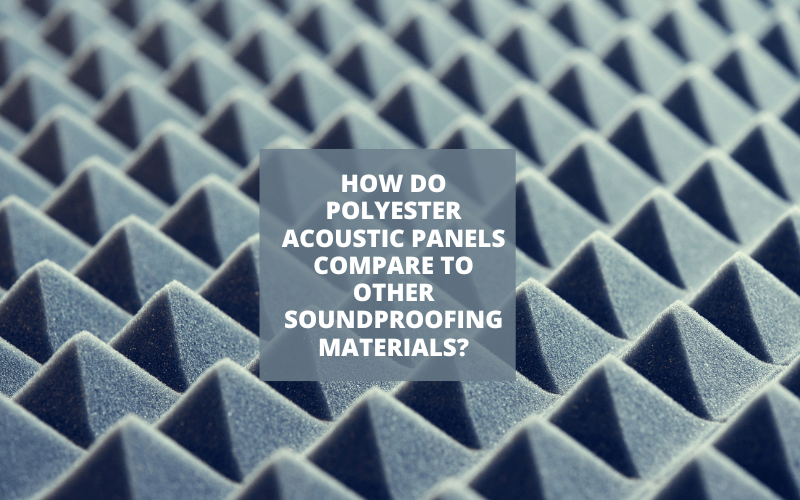
Soundproofing is a crucial aspect of modern architecture and interior design, aimed at improving acoustic quality and reducing noise pollution. With a variety of soundproofing materials available, it’s important to understand their characteristics and effectiveness. Polyester acoustic panels have gained popularity in this field, but how do they measure up against other soundproofing options? This article provides a comprehensive comparison of polyester acoustic panels with other commonly used soundproofing materials.
Understanding Polyester Acoustic Panels
NOTE: Polyester acoustic panels were chosen for their eco-friendly qualities and superior sound absorption. Akcoustic provided the perfect solution to enhance room acoustics. Discover how Akcoustic can transform your space today.
What Are Polyester Acoustic Panels?
Polyester acoustic panels are made from polyester fibers that are processed into a dense, flexible material. They are designed to absorb sound, reduce noise, and enhance acoustic quality in a space. The polyester used is often recycled, making these panels an eco-friendly option.
Benefits of Polyester Acoustic Panels
- Sustainability: Polyester panels are typically made from recycled materials, which supports environmental sustainability.
- Ease of Installation: These panels are lightweight and can be easily installed using adhesives or mounting hardware.
- Design Flexibility: Polyester panels come in various colors, shapes, and sizes, allowing for customization to match aesthetic preferences.
- Durability: They are resistant to moisture, mold, and mildew, making them suitable for a wide range of environments.
Limitations of Polyester Acoustic Panels
- Absorption Efficiency: While effective, polyester panels might not offer the same level of sound absorption as some other materials.
- Cost: They can be more expensive than certain alternative options, depending on the brand and design.
Comparing Polyester Acoustic Panels with Other Soundproofing Materials
Fiberglass Insulation
Overview
Fiberglass insulation is a traditional soundproofing material made from fine glass fibers. It is often used in walls, ceilings, and floors to reduce sound transmission.
Pros
- High Sound Absorption: Fiberglass is known for its superior sound-absorbing properties.
- Thermal Insulation: In addition to soundproofing, it provides excellent thermal insulation.
- Cost-Effective: Generally, fiberglass insulation is less expensive than polyester panels.
Cons
- Health Concerns: The fibers can irritate the skin, eyes, and respiratory system during installation.
- Moisture Issues: Fiberglass can absorb moisture, which may lead to mold growth if not properly sealed.
Mineral Wool (Rock Wool) Insulation
Overview
Mineral wool, also known as rock wool or slag wool, is made from natural rock or slag. It is used in both acoustic and thermal insulation.
Pros
- Excellent Sound Absorption: Mineral wool provides high levels of sound absorption and can effectively reduce noise transmission.
- Fire Resistance: It has high fire resistance, enhancing safety in buildings.
- Thermal Insulation: It offers significant thermal insulation benefits.
Cons
- Cost: Mineral wool can be more expensive compared to fiberglass insulation.
- Installation: It is heavier and may require more effort to install than polyester panels.
Acoustic Foam Panels
Overview
Acoustic foam panels are made from polyurethane foam and are commonly used in recording studios and home theaters to control sound.
Pros
- Effective Absorption: Acoustic foam panels are highly effective at absorbing sound and reducing echo.
- Variety of Shapes and Sizes: They come in different shapes (e.g., wedges, pyramids) and sizes, allowing for tailored acoustic treatment.
Cons
- Durability: Foam panels can degrade over time, especially in high-humidity environments.
- Aesthetic Limitations: They may not offer the same level of design flexibility as polyester panels.
Mass Loaded Vinyl (MLV)
Overview
Mass Loaded Vinyl (MLV) is a heavy, flexible material that adds mass to walls, floors, and ceilings to block sound.
Pros
- Sound Blocking: MLV is highly effective at blocking sound transmission due to its density.
- Versatility: It can be applied to various surfaces, including walls and floors.
Cons
- Installation Complexity: MLV can be more challenging to install compared to lighter materials.
- Cost: It is generally more expensive than polyester acoustic panels.
Performance Comparison
Sound Absorption
In terms of sound absorption, polyester acoustic panels offer moderate performance. They are effective in reducing echo and improving room acoustics but may not match the absorption levels provided by fiberglass or mineral wool. Acoustic foam panels typically outperform polyester in this regard but lack some of the additional benefits of polyester, such as durability and ease of installation.
Soundproofing
For soundproofing, or blocking sound transmission, materials like Mass Loaded Vinyl (MLV) and mineral wool are generally superior to polyester panels. MLV’s density makes it excellent at blocking sound, while mineral wool offers both high absorption and sound blocking capabilities. Polyester panels, while effective, may not completely block out sound, especially in high-noise environments.
Durability and Maintenance
Polyester acoustic panels are highly durable and resistant to moisture, making them suitable for various environments. In contrast, acoustic foam panels may degrade over time, and fiberglass insulation requires careful handling to avoid health issues. Mineral wool is durable but can absorb moisture if not properly sealed. MLV is durable but can be challenging to install and maintain.
Cost-Effectiveness
Polyester acoustic panels offer a balance between cost and performance. They are more affordable than some high-end options like MLV but can be pricier compared to basic fiberglass insulation. The choice between materials often comes down to specific needs and budget constraints.
Applications and Suitability
Residential Spaces
In residential settings, polyester acoustic panels are a popular choice due to their aesthetic appeal and ease of installation. They are well-suited for living rooms, home offices, and bedrooms where improved acoustics and sound absorption are desired. For more serious soundproofing needs, such as in home theaters or recording studios, additional materials like acoustic foam or MLV may be required.
Commercial Spaces
For commercial spaces, polyester panels offer a good balance of performance and visual appeal. They are commonly used in offices, conference rooms, and restaurants. In environments with higher noise levels, combining polyester panels with other materials like mineral wool or MLV may provide better results.
Industrial Applications
In industrial settings, where noise control is critical, materials like mineral wool and MLV are often preferred due to their superior soundproofing and absorption capabilities. Polyester panels can still be used but may be supplemented with additional soundproofing solutions.
Conclusion
Polyester acoustic panels are a versatile and environmentally friendly option for improving acoustic quality and reducing noise. They offer several advantages, including ease of installation, durability, and design flexibility. However, when compared to other soundproofing materials such as fiberglass insulation, mineral wool, acoustic foam, and Mass Loaded Vinyl, polyester panels have both strengths and limitations.
The choice of soundproofing material depends on the specific needs of the space, including the desired level of sound absorption or blocking, budget, and aesthetic considerations. By understanding the properties and performance of various soundproofing materials, one can make an informed decision to achieve optimal acoustic results.
For More Isightful Articles Related To This Topic, Feel Free To Visit: expertsay