As cyber threats grow more advanced, protecting sensitive customer data has become a top priority—especially within the core systems that power the insurance industry. Insurers are ramping up their cybersecurity efforts, and insurtechs are leading the charge with innovative technologies that are changing the game.
Today’s forward-thinking insurtechs are integrating AI-powered threat detection soc security operations center and automating key security processes. Rather than simply responding to incidents, they’re taking proactive measures to reduce risk before it becomes a major issue.
Why Cybersecurity Is Critical for Insurers
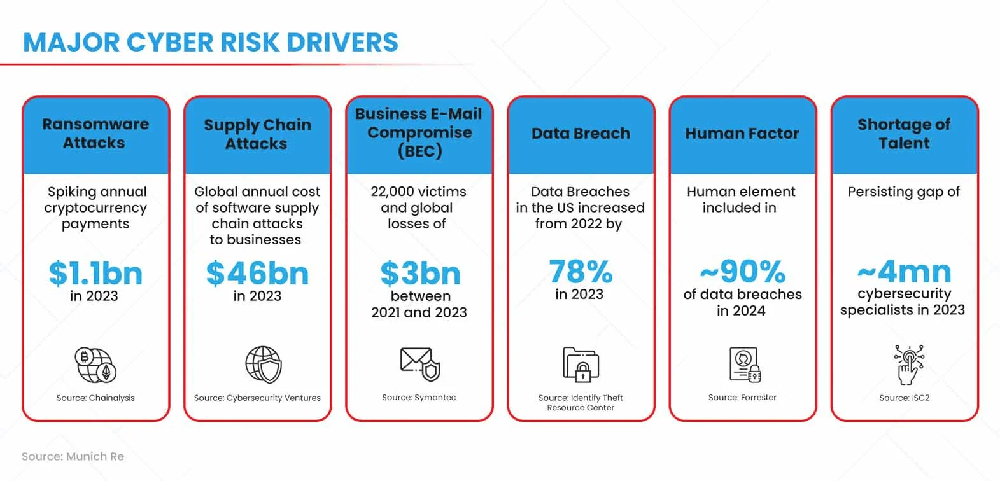
Property and Casualty (P&C) insurance companies handle large volumes of sensitive personal and financial data, making them prime targets for cybercriminals. As these companies modernize with cloud platforms, artificial intelligence (AI), and the Internet of Things (IoT), they’re unlocking new efficiencies—but also exposing themselves to fresh security challenges.
This reality has made cybersecurity a business imperative. It’s no longer just about compliance or avoiding regulatory penalties—it’s about staying viable in a digital world that’s becoming increasingly dangerous.
A stark reminder of this came with the Folksam data breach in Sweden. In 2020, the major insurer inadvertently exposed personal data from nearly a million customers—not through a hack, but due to internal error. In an effort to personalize services, Folksam shared customer information with tech giants like Facebook, Google, Microsoft, LinkedIn, and Adobe. Although there was no clear evidence the data was misused, the incident sparked widespread concern among both regulators and customers. It underscored the fact that even well-meaning initiatives can lead to serious data breaches if robust safeguards aren’t in place.
Securing Core Insurance Platforms: A Question of “When,” Not “If”
The core insurance platform—responsible for managing policies, processing claims, handling billing, and serving customers—is the heart of any P&C insurer’s operation. But if not properly secured, it’s also one of the most vulnerable entry points for cyberattacks.
AI: The Always-On Security Partner
Many insurers are now embedding AI-driven soc security operations center “co-pilots” directly into their core systems. These intelligent tools continuously scan for threats and can act in real-time to protect critical data and infrastructure.
Here’s how AI is making a difference:
- Anomaly Detection: Machine learning algorithms flag suspicious patterns—like a sudden spike in claims from one region or multiple unusual changes to policy details—that could indicate fraud or a security breach.
- Automated Response: When threats are detected, AI can immediately isolate affected systems. This might mean shutting down compromised servers or disabling specific user accounts before an attack can spread.
- Threat Prediction: By analyzing global threat intelligence and dark web data, AI tools can identify new attack vectors and emerging malware, helping insurers stay a step ahead.
A great example is Zurich Insurance. When its AI system soc security operations center detected a credential-stuffing attack targeting small and medium-sized clients in Asia, it blocked thousands of fraudulent login attempts within hours—something only possible with real-time, AI-driven protection built into the core platform.
Final Thoughts
As digital transformation accelerates, the insurance industry must evolve not just in how it serves customers, but in how it defends their data. Insurtechs are proving that with the right mix of innovation and vigilance, it’s possible to stay both agile and secure. Strengthening cybersecurity within core platforms isn’t optional—it’s essential for the future of insurance.