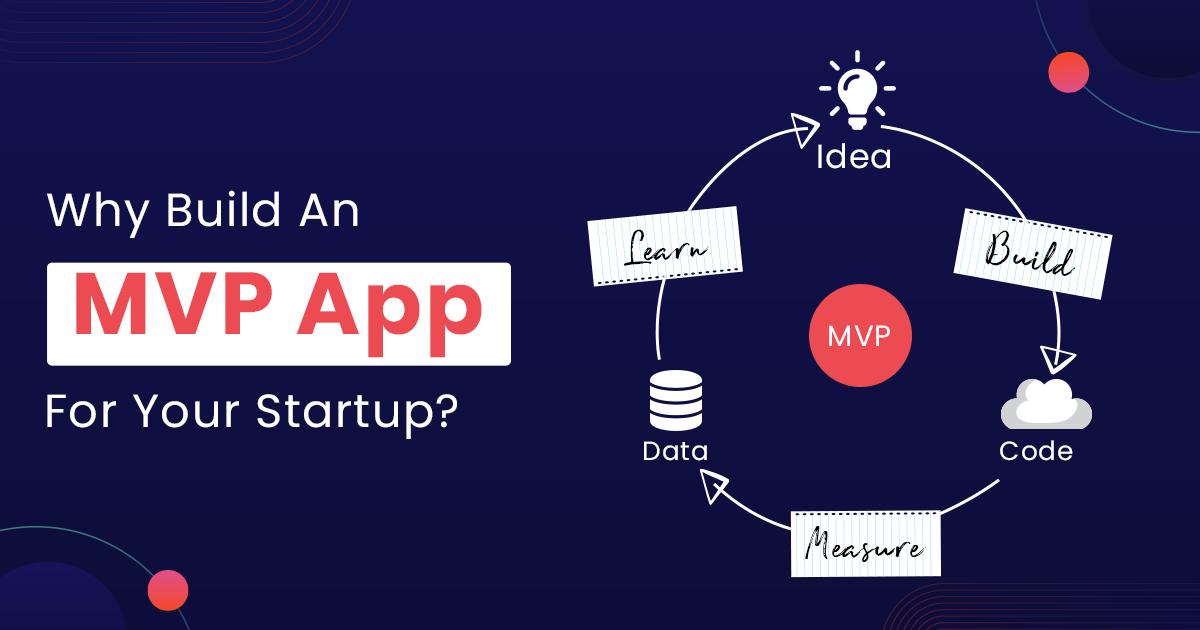
In today’s fast-paced business world, companies face intense pressure to develop new products quickly while also keeping costs under control. One of the most effective strategies to achieve this balance is through the creation of a Minimum Viable Product (MVP). An MVP allows businesses to test their product ideas with minimal resources before committing to a full-scale development process. This approach saves both time and money by enabling faster testing, early customer feedback, and more efficient use of resources.
In this article, we’ll explore how MVPs save time and money in product development, the key benefits of an MVP, and how to use this strategy to streamline your development process while reducing risk.
What is an MVP?
A Minimum Viable Product (MVP) is the simplest version of a product that can be released to users, containing just enough features to meet their core needs. The primary goal of an MVP is to test the product concept, validate assumptions, and collect user feedback, without investing too much time or money in features that may not be well-received by the target audience.
Rather than building a fully-featured product from the outset, an MVP allows businesses to launch quickly with a basic but functional version of the product. This approach provides valuable insights early in the process, which can guide future development and iterations.
How MVPs Save Time in Product Development
Time is one of the most critical resources in product development. With the right approach, MVPs can help businesses save a significant amount of time. Here’s how:
1. Faster Market Entry
One of the most significant advantages of building an MVP is the ability to launch a product faster. Instead of waiting months or even years to perfect every feature, the MVP approach allows you to release a product with only the core features necessary to solve the problem your target market faces.
By focusing on essential functionality, businesses can get to market more quickly, which is especially important in fast-moving industries where being first can provide a competitive advantage.
This faster time-to-market means that companies can begin gathering valuable customer feedback sooner and start refining the product based on real-world usage, rather than hypothetical assumptions.
2. Early Validation and Feedback
An MVP helps you validate your product idea early in the development cycle. Instead of spending months or even years developing a product that may not meet the needs of your audience, an MVP lets you test your assumptions with real users.
This early validation helps you understand if there is a demand for your product and whether the features you’ve included resonate with your target market. If the MVP is well-received, you can move forward with confidence. If it fails to gain traction, you can quickly pivot or make adjustments before investing more time in development.
By gathering real-time feedback from users, MVP development reduces the risk of spending excessive time on features that users may not find valuable or necessary.
3. Focus on Core Features
Developing a full-scale product with a broad range of features can take a significant amount of time. However, an MVP focuses solely on the core functionality needed to solve the main problem for your target audience. This focus on essential features means that you can eliminate unnecessary features, avoid distractions, and spend time developing only what is truly necessary for the MVP.
By doing so, you avoid wasting time on features that may not be important to your customers, and you can quickly iterate on the product based on the most valuable aspects.
4. Iterative Development and Continuous Improvement
With MVPs, the development process is iterative. After launching the initial MVP, businesses can use customer feedback to make targeted improvements and add features that will truly enhance the product. This iterative approach ensures that you are constantly improving the product, rather than waiting to release a fully polished product that may still need significant changes.
The iterative model enables teams to make adjustments quickly, rather than waiting for months of development before gathering user feedback. This continuous feedback loop allows for faster improvements and a more agile approach to development.
How MVPs Save Money in Product Development
Along with saving time, MVPs also help businesses save money throughout the product development process. Here are some of the key ways that MVPs reduce costs:
1. Reduced Development Costs
Developing a full-scale product can be a significant financial investment. By building an MVP, you only need to invest in the essential features needed to test the product idea. This streamlined development process means that fewer resources are required at the start, which can save money during the early stages.
You don’t have to hire a large development team or invest in expensive tools and technologies until you know that the product has potential. By launching a simple MVP, you avoid the risk of spending too much money on features that may not provide value to customers.
2. Lower Risk of Failure
One of the biggest financial risks in product development is investing in a product that ultimately fails to meet the needs of the market. When a business spends money building a full product without validating the concept, it risks wasting resources if the product is unsuccessful.
An MVP minimizes this risk by allowing you to test the concept before committing to a full-scale development project. If the MVP is successful and well-received, you can continue building and scaling the product. If it’s not, you can quickly pivot or refine the product to better meet user needs. This lower risk of failure can prevent costly mistakes that could drain your resources.
3. Cost-Effective Marketing and User Acquisition
With an MVP, you can start marketing your product to a specific target audience early on, while keeping marketing costs low. You can engage with early adopters, who are often willing to provide valuable feedback and help spread the word about your product.
By using an MVP to gauge interest, you can tailor your marketing efforts to focus on the channels and messages that resonate most with potential users. This cost-effective marketing approach allows you to optimize your marketing budget before committing to more extensive campaigns for a fully-developed product.
4. Avoid Feature Creep
Feature creep refers to the gradual expansion of a product’s features beyond the original plan, often leading to higher development costs and extended timelines. By developing an MVP, you can focus on delivering only the most critical features at the beginning and avoid unnecessary features that increase costs.
As you gather feedback from users, you can then decide which features to add based on demand. This approach ensures that you are spending money on features that your customers actually want, rather than developing features that may never be used.
5. Resource Allocation
When developing an MVP, you are able to allocate your resources (time, money, and effort) more effectively. By focusing on the most important aspects of the product and testing assumptions early, you can adjust your resource allocation based on what works and what doesn’t.
The flexibility of MVP development allows you to scale up or pivot depending on user feedback, ensuring that your resources are always directed toward what is most important for the product’s success.
How to Make the Most of MVP Development
To maximize the time and cost-saving benefits of MVP development, there are several strategies to keep in mind:
1. Focus on Your Core User Needs
Your MVP should be centered around solving a specific problem for a target audience. Avoid adding unnecessary features that don’t directly address the user’s core needs. By focusing on what matters most to your users, you can streamline the development process and reduce costs.
2. Use Agile Development Practices
Agile development practices, such as sprints, allow for continuous testing, feedback, and iteration. This ensures that you are building the right product at the right time, saving both time and money.
3. Gather and Analyze User Feedback
After launching your MVP, collect as much feedback as possible from users. Use surveys, interviews, and analytics tools to understand how users are interacting with the product. This feedback will help guide your next steps in development and ensure that you are building a product that meets customer needs.
4. Iterate Based on Data
Don’t just build features based on assumptions. Use the data you gather from user feedback to prioritize future improvements and features. This approach ensures that you are spending resources on enhancements that will provide the most value to your users.
Conclusion
In today’s competitive business landscape, MVP development offers a powerful strategy for saving both time and money in product development. By focusing on essential features, validating assumptions early, and gathering real-world feedback, businesses can streamline the development process and minimize the risks associated with launching new products.
With an MVP, you can quickly test ideas, gather data, and refine your product to better meet customer needs—without investing excessive time or money upfront. Launch your MVP quickly and start gathering insights that will drive future success. Build your MVP today and ensure a more cost-effective and efficient product development process.