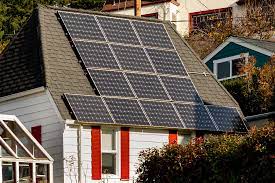
As the sun rose over the quiet suburban neighborhood, Sarah sipped her morning coffee, staring at yet another staggering electric bill. Her heart sank, recalling the endless cycle of rising costs and unpredictable rates. But this time, something was different. A neighbor’s gleaming solar panels caught her eye, sparking curiosity. Could those panels be the key to slashing her Electric Bill With Solar Panels? Sarah’s journey from frustration to empowerment mirrors the experience of countless homeowners discovering the financial and environmental benefits of solar energy. This article explores how solar panels can transform your electric bill, offering practical insights and actionable steps to harness the sun’s power.
Understanding Your Electric Bill
What Makes Up Your Bill?
Before diving into solar savings, it’s essential to understand your electric bill. Most bills include charges for energy consumption (measured in kilowatt-hours, or kWh), delivery fees, and taxes. Seasonal usage spikes, like air conditioning in summer or heating in winter, often drive costs higher. For many, these fluctuations create financial stress, prompting a search for solutions like solar energy.
Why Bills Keep Rising
Utility rates are climbing due to aging grid infrastructure, fuel costs, and regulatory changes. According to the U.S. Energy Information Administration, residential electricity prices have increased by about 4% annually over the past decade. This trend pushes homeowners to explore alternatives that offer predictability and savings.
How Solar Panels Reduce Costs
Generating Your Own Power
Solar panels convert sunlight into electricity, directly reducing the amount of power you purchase from your utility company. By generating your own energy, you offset consumption, lowering your Electric Bill With Solar Panels. During peak sunlight hours, your system may produce more electricity than you use, potentially earning credits through net metering programs.
Net Metering Explained
Net metering allows homeowners to send excess solar energy back to the grid, earning credits that offset future bills. For example, if your panels produce surplus power during the day, those credits can reduce costs for nighttime usage. This system maximizes savings and ensures you’re not wasting the energy your panels generate.
Lowering Demand Charges
Some utility plans include demand charges based on peak usage periods. Solar panels can reduce these charges by supplying power during high-demand times, such as hot summer afternoons when air conditioners run full blast. This targeted reduction further shrinks your bill.
Financial Benefits Beyond the Bill
Long-Term Savings Potential
While the upfront cost of solar installation can range from $15,000 to $30,000 (before incentives), the long-term savings are substantial. According to EnergySage, homeowners can save $25,000 to $45,000 over the lifetime of a solar system, depending on local rates and system size. These savings come from reduced utility bills and potential tax incentives.
Federal and State Incentives
The federal Investment Tax Credit (ITC) allows homeowners to deduct 30% of solar installation costs from their taxes, significantly lowering the initial investment. Many states offer additional rebates, grants, or property tax exemptions. Checking with local programs can uncover opportunities to make solar more affordable.
Increasing Home Value
Homes with solar panels often sell for more than comparable properties without them. A 2021 Zillow study found that homes with solar systems sold for 4.1% more on average. This added value provides a financial cushion, whether you plan to stay in your home or sell in the future.
Factors Affecting Solar Savings
System Size and Efficiency
The size of your solar system, measured in kilowatts (kW), determines how much energy it produces. A typical home requires a 5-10 kW system, depending on energy usage. Higher-efficiency panels generate more power in less space, ideal for smaller roofs or shaded areas.
Location and Sunlight Exposure
Your geographic location impacts solar output. Sunny states like Arizona or California yield more energy than cloudier regions like Washington. However, modern panels perform well even in less sunny climates, ensuring savings across diverse environments.
Utility Rates and Policies
Local utility rates and policies, like net metering or time-of-use pricing, influence your savings. Areas with high electricity rates offer greater potential for reducing your Electric Bill With Solar Panels, as each kWh you generate saves more money.
Getting Started with Solar
Assessing Your Home’s Potential
Start by evaluating your roof’s size, orientation, and shading. South-facing roofs with minimal obstructions are ideal, but east- or west-facing roofs can also work. Online tools like Google’s Project Sunroof provide free solar potential assessments based on your address.
Choosing a Reputable Installer
Research local solar installers with strong reviews and certifications, such as those from the North American Board of Certified Energy Practitioners (NABCEP). Request multiple quotes to compare costs, warranties, and equipment quality. A trustworthy installer will guide you through permits, incentives, and financing options.
Financing Your Solar Investment
Homeowners can pay for solar through cash, loans, or leases. Solar loans, often with low or no interest, spread costs over time while preserving tax benefits. Leases or power purchase agreements (PPAs) require little upfront cost but may limit long-term savings. Weighing these options ensures you choose the best fit for your budget.
Environmental Impact of Solar
Reducing Your Carbon Footprint
Switching to solar reduces reliance on fossil fuels, cutting greenhouse gas emissions. A typical 6 kW solar system offsets about 8,000 pounds of CO2 annually, equivalent to planting 100 trees. This environmental benefit complements the financial advantages, aligning with growing demand for sustainable living.
Supporting Grid Resilience
Widespread solar adoption eases strain on aging utility grids, reducing blackout risks and stabilizing energy supply. By contributing clean energy, you’re part of a broader movement toward a resilient, renewable-powered future.
Overcoming Common Concerns
Maintenance and Durability
Solar panels are low-maintenance, requiring occasional cleaning and inspections. Most systems come with 25-year warranties, ensuring long-term reliability. Inverters, which convert solar energy into usable electricity, may need replacement after 10-15 years but are a minor cost compared to overall savings.
Navigating Cloudy Days
Solar panels still generate power on cloudy days, though output is lower. Battery storage systems, like Tesla’s Powerwall, store excess energy for use during low-sunlight periods, ensuring consistent savings. While batteries add cost, they’re increasingly popular for maximizing solar benefits.
Conclusion
Sarah’s story is a testament to the transformative power of solar energy. By installing panels, she slashed her electric bill, gained financial predictability, and contributed to a cleaner planet. The journey to a lower Electric Bill With Solar Panels starts with understanding your energy needs, exploring incentives, and partnering with a trusted installer. While the upfront investment may seem daunting, the long-term savings, environmental impact, and increased home value make solar a smart choice. Take the first step today—assess your home’s solar potential and discover how the sun can light the way to a brighter, more affordable energy future.