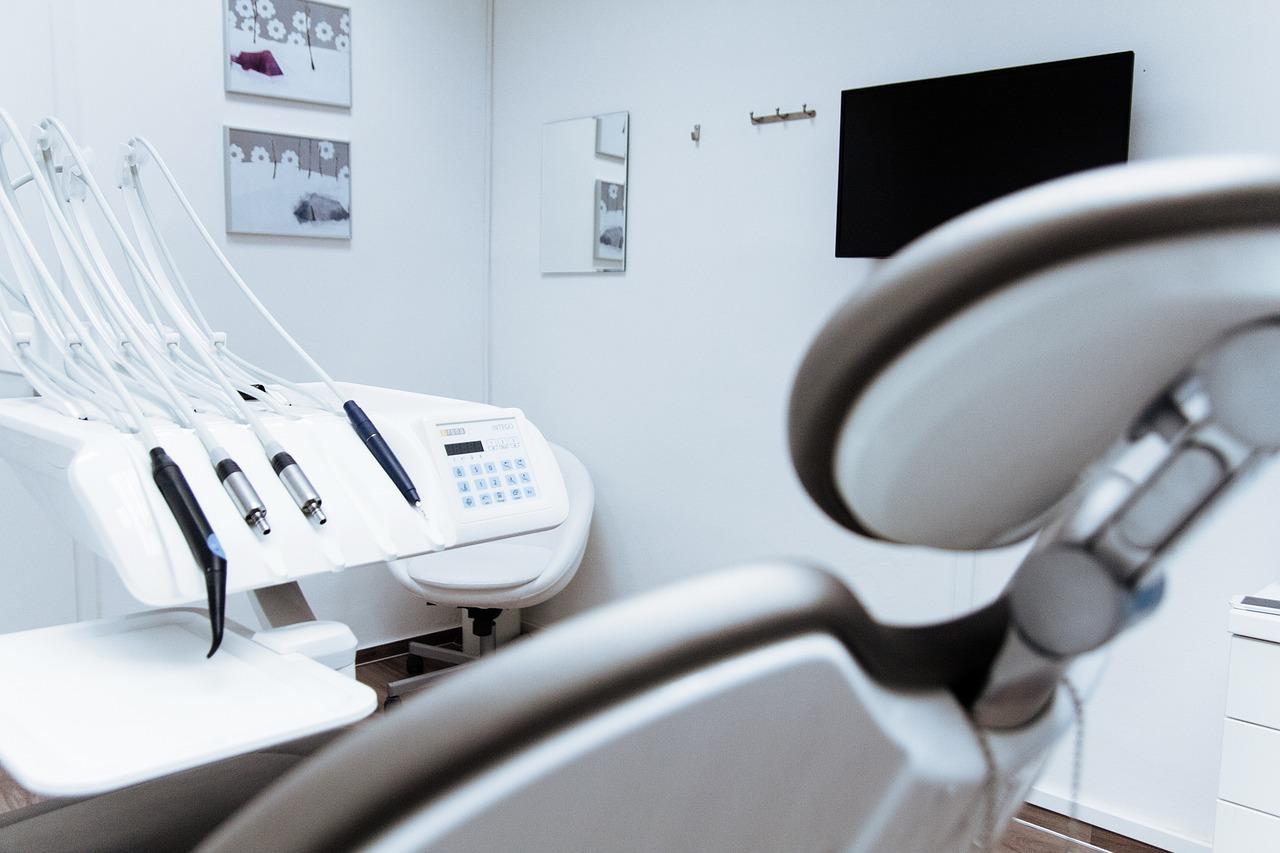
Technology has literally changed almost every industry around for the last few years. Dentistry is also on that list. Modern technologies, such as more sophisticated diagnostic tools, and the use of digitalized planning for treatment, among numerous others, have significantly elevated the quality of care while increasing the comfort of a dental practice for patients. A closer look at just how technology is changing modern dentistry to ensure more precise treatments, improved patient comfort, and better overall outcomes:.
- Digital X-rays and Imaging
Traditional X-rays required patients to bite on uncomfortable plates and exposed them to more radiation. Digital X-rays replaced such practices. They expose patients to less radiation while providing images that are sharper, clearer, and more detailed. The dentist can clearly see the digital image on a screen. Thus, diagnosis can be done quicker and treatment planned more precisely. It is of great use in the detection of hidden dental problems, including interdental caries or gingivitis at initial stages. - 3D Printing for Customized Solutions
One of the most impressive technologies introduced in modern dentistry is 3D printing. Dentists can now manufacture crowns, bridges, dentures, and even implants that are extremely accurate, and they are made to be precisely fitted to the individual patient’s needs. This would take less time for the patients to spend in the dental chair. Moreover, most of the 3D printed dental tools last longer and are cheaper than other forms, which would improve both quality and accessibility of dental care. - Laser Dentistry
With the advancement of technology, lasers have come out as the foundation in modern dentistry to perform treatment with minimum invasion compared to the conventional drills and scalpels. The dental treatment has been used by the different procedures from detecting a cavity and filling, which eventually goes into treating the soft tissues in areas of reshaping of gum, which reduces pain along with quick healing, reducing time span as well, to hasten treatments and thus provide stress relief to patients undergoing this technology. Dental treatment became relatively painless in terms of anxiety from those people having dental phobias. - Teledentistry
Now that the world has moved to a post-pandemic environment, Teledentistry has come as a game-changer. With this technology, it becomes possible to remotely consult the dentist of the patient at any remote location. In most routine checkups or follow-up consultations or emergency conditions in the case of remote places, the system proves to be quite handy. Patients may forward photographs or videos to their problem areas, and the dentist might give guidelines or provide medication prescriptions through Teledentistry. It increases dental service accessibility and is closer to those who cannot afford time to spend attending in person. - Artificial Intelligence in Dentistry
AI is gradually coming into the dental clinic. In this area, the most important positive effect on diagnostic accuracy as well as planning of appropriate treatment could be seen when AI was integrated. AI processes can take far less time than an eye to track down all potential problems via X-rays or other medical images. AI helps deliver the optimum treatment to each patient according to his needs. By making easier administration tasks including scheduling of appointments and creating bills, the dentist now has much more time available for a patient. - Robotic Surgery and Minimally Invasive Procedures
Robots have very great milestones in the complicated Dentistry surgery, for instance, during the placement of a dental implant, robots ensure the accuracy and reduced errors made by the human hand. These surgeries are minimal invasion ones that produce less pain while in the recovery time for the patient. With robotic precision in accurately placing dental implants, and other forms of treatment, then the outcomes are much better after a rather more extended period of time. - Smart Toothbrushes and At-Home Technology
Beyond the dental clinics, integration of technology with dental care involves intelligent toothbrushes fitted with sensors and Bluetooth to monitor home oral care of the patients. Real time feedback helps ensure effective cleaning. Brushing techniques are followed; they actually track brush-habits and can be individualized for oral health enhancement. It advances technology in such a way that it enables patients to take charge of their oral health and prevent problems even before they happen. - Intraoral Cameras
Intraoral cameras are a must-have technology in modern dental diagnostics, allowing the dentist to snap images inside the patient’s mouth. The intraoral camera is small and mobile, allowing for highdefinition images that may otherwise pass the naked eye. Additional intraoral cameras facilitate even better communication between the doctor and the patient by bringing images to a monitor for full understanding of the diagnosis made and proposed treatment options.
This means that technology is changing and is transforming dentistry in ways that would never have been possible. Digital tools, AI, and robotics are integrated into dental practices, thus ensuring accuracy, reducing pain, and increasing patient comfort. Technology is ensuring treatments are faster, more effective, and accessible for people seeking dental care in Nagpur. To find a dental provider that welcomes these new advancements, visit the best dentist in Nagpur for quality, personalized service.
The best dentist in Nagpur is therefore ahead of the curve with regard to the latest technological advancements, so patients receive the best treatment that is both efficient and effective. With such innovations embraced, the better the results of the treatment will be; hence, people will experience less stress and discomfort when visiting their dentists.
Keeping pace with technology is not a luxury but a necessity in this fast-paced world of dentistry to provide the best possible care.