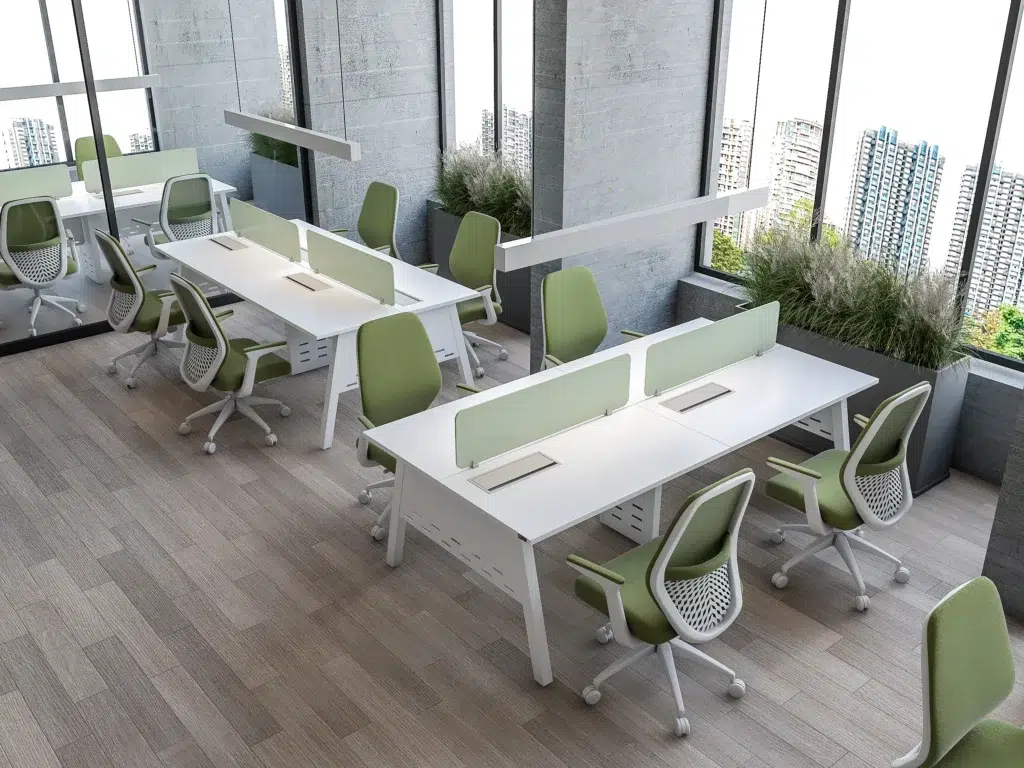
A workplace is more than just a collection of desks, chairs, and computers. The environment in which employees spend their day plays a crucial role in shaping their motivation, focus, and overall productivity. One of the most impactful aspects of office design is the choice of office workstations. These workspaces are not only functional but also define how employees interact, collaborate, and perform their day-to-day tasks.
If your office still uses outdated or poorly designed setups, it may be time to rethink your furniture strategy. Upgrading to modern office workstations can unlock hidden potential in your workforce, creating a space where people feel energized, supported, and engaged.
Why Office Workstations Matter
Employees spend nearly one-third of their lives at work, and most of that time is spent at their desks. An uncomfortable, cluttered, or uninspiring workstation can lead to physical strain, frustration, and reduced efficiency. On the other hand, a thoughtfully designed workstation fosters comfort, concentration, and creativity.
For businesses, the workstation is more than just furniture—it’s a tool for performance. The design, layout, and functionality of office workstations directly influence how employees manage tasks, interact with each other, and balance focus with collaboration.
The Connection Between Workstations and Productivity
Research shows that physical work environments affect productivity levels by up to 20%. Ergonomic designs reduce health risks, collaborative setups encourage innovation, and personalized workstations make employees feel valued. When employees are supported by well-designed office workstations, they’re more likely to:
-
Stay focused on their tasks for longer periods
-
Experience fewer distractions and interruptions
-
Avoid posture-related health issues
-
Engage in meaningful collaboration with colleagues
-
Maintain higher morale and motivation
Types of Workstations That Drive Efficiency
Not all jobs or industries require the same setup. Choosing the right office workstations depends on your team’s needs. Some popular workstation types that promote productivity include:
-
Modular Workstations: Highly flexible, allowing businesses to reconfigure the office as teams grow or project needs shift.
-
Open-Plan Desks: Encourage teamwork and easy communication, great for creative industries and startups.
-
Cubicle Workstations: Provide privacy and minimize distractions, ideal for employees who need deep focus.
-
Sit-Stand Desks: Help combat the negative health effects of prolonged sitting, keeping employees active and alert.
-
Collaborative Pods: Small clusters of desks or enclosed booths designed for group projects and brainstorming sessions.
Ergonomics: The Foundation of Productive Workstations
One of the most important features of modern office workstations is ergonomics. Poorly designed furniture can lead to neck pain, back strain, carpal tunnel syndrome, and even long-term musculoskeletal disorders. Ergonomic furniture, on the other hand, ensures that employees maintain healthy posture and comfort throughout the day.
Key ergonomic elements include adjustable chairs with lumbar support, desks that can be modified to different heights, monitor arms that keep screens at eye level, and footrests for added support. Businesses that prioritize ergonomics not only enhance productivity but also reduce absenteeism caused by health problems.
How Design Affects Collaboration and Creativity
The design of office workstations sets the tone for how employees interact. Open layouts and benching systems promote spontaneous conversations and teamwork, while partitions and cubicles provide necessary privacy for focused work. A balanced design ensures that both collaboration and concentration are supported.
For creative teams, workstations with flexible layouts and shared spaces spark brainstorming and innovation. For administrative or technical roles, semi-private setups minimize distractions. Businesses should carefully consider how workstation design aligns with the type of work being performed.
Customization and Personalization
One overlooked factor in workstation productivity is personalization. Allowing employees to customize their office workstations with small touches like personal photos, desk plants, or organization tools helps create a sense of ownership. This emotional connection makes employees feel more comfortable and motivated, ultimately boosting performance.
Technology Integration in Modern Workstations
Today’s workplaces depend heavily on technology, so office workstations must adapt accordingly. Features like cable management systems, built-in charging ports, wireless charging pads, and monitor stands keep workstations neat and functional. A clutter-free desk reduces stress and helps employees stay organized.
Smart workstations that integrate IoT features, adjustable lighting, and digital tools are also on the rise, giving businesses new ways to create efficient, tech-driven environments.
Cost vs. Value: Why Investing in Quality Workstations Pays Off
Some businesses hesitate to invest in premium office furniture, but the benefits outweigh the costs. Quality office workstations last longer, reduce maintenance needs, and improve employee satisfaction. More importantly, they directly influence productivity levels, which can have a long-term impact on profitability.
When employees are happier and healthier, turnover decreases, absenteeism drops, and work output rises. In this way, workstation investments generate a return by enhancing performance and reducing hidden costs associated with poor workplace design.
Common Mistakes Businesses Make
While planning an office upgrade, businesses often make avoidable mistakes, such as:
-
Choosing one-size-fits-all designs instead of tailoring setups to team needs
-
Over-prioritizing aesthetics while ignoring ergonomics
-
Overcrowding office space with too many desks
-
Ignoring storage solutions, leading to cluttered work areas
-
Not planning for scalability or future growth
Best Practices for Selecting Workstations
To maximize the impact of office workstations, businesses should follow a few best practices:
-
Gather feedback from employees about their needs and preferences
-
Balance collaboration and privacy with a mix of workstation types
-
Prioritize ergonomic features to support health and comfort
-
Choose designs that reflect company culture and branding
-
Consider sustainability with eco-friendly materials and designs
-
Plan for growth with modular, scalable furniture
Conclusion
The design and functionality of office workstations play a vital role in shaping employee experiences and workplace outcomes. By choosing ergonomic, flexible, and well-designed setups, businesses can significantly boost productivity, enhance collaboration, and support overall employee well-being.
Workstations are not just about furniture; they’re about creating an environment that empowers people to do their best work. Investing in high-quality office workstations is, therefore, an investment in the future success of your business.