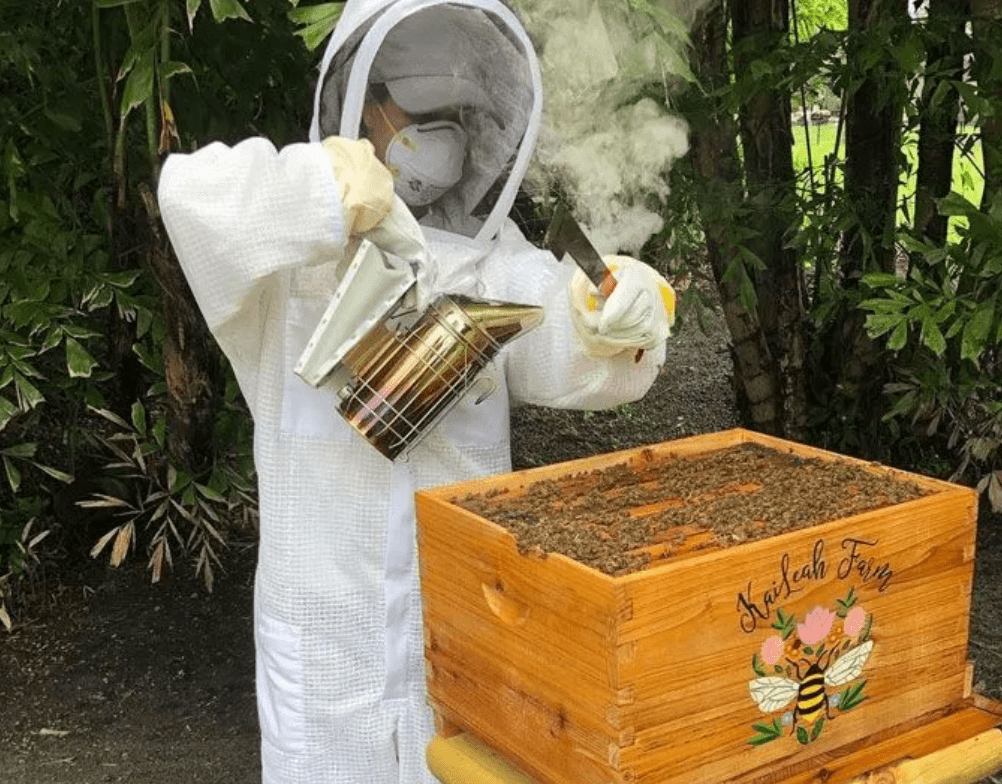
The world of honey wholesale is much bigger than many people realize. From small local shops to large distributors, the demand for honey in bulk has grown steadily as consumers become more interested in natural and sustainable products. Alongside this, comb honey has started to attract more attention, offering an old-fashioned, pure way to enjoy honey straight from the hive. In this article, you’ll learn what honey wholesale is all about, why it’s worth exploring, how comb honey fits into the picture, and tips for making the most of these sweet opportunities.
Understanding the Honey Wholesale Market
Honey wholesale simply means selling honey in larger quantities to retailers, restaurants, food manufacturers, or other buyers who need it in bulk. Unlike small jars at the farmer’s market, wholesale honey is often packaged in large containers or barrels. This approach helps businesses get a steady supply of honey at competitive prices while ensuring consistent quality for their products.
The honey wholesale market has expanded in recent years because people are looking for alternatives to refined sugar, and honey fits perfectly into that role. Whether for baking, cooking, or adding to drinks, honey’s versatility makes it a staple ingredient in many industries. For small businesses, entering the honey wholesale market can also be a way to grow and build strong relationships with suppliers.
Why Comb Honey Is Part of the Conversation
Comb honey is honey that is still in its natural honeycomb, untouched and unprocessed. It’s cut directly from the hive and packaged as-is. This makes it one of the purest forms of honey available, appealing to people who want to experience honey just as bees make it. Comb honey also adds a unique texture and flavor to the table, as you can chew the wax and enjoy a richer, more complete honey experience.
In the honey wholesale industry, comb honey is increasingly being offered alongside liquid honey. Buyers appreciate the authenticity of comb honey, and it often commands a higher price because of the extra care involved in harvesting and packaging it. By understanding how comb honey fits into the wholesale market, businesses can diversify their offerings and meet customer demand for natural, minimally processed products.
Benefits of Buying and Selling Honey Wholesale
Buying honey wholesale offers many advantages. For retailers and food service providers, it ensures a steady supply of honey without the need to constantly reorder small amounts. Larger quantities often mean better pricing, making it more cost-effective in the long run.
For producers and distributors, selling honey wholesale allows them to reach a wider audience beyond local markets. By moving larger volumes, they can focus on maintaining quality while streamlining production and packaging. Comb honey also benefits from this system, as wholesalers can offer both traditional liquid honey and comb honey to suit different buyers’ preferences.
How Honey Wholesale Supports Local and Global Markets
One of the most interesting aspects of honey wholesale is how it connects local beekeepers with larger markets. A small-scale beekeeper might not be able to sell thousands of jars individually, but by working with a wholesaler, their honey can reach supermarkets, bakeries, and restaurants far beyond their region.
This system also supports global trade. Countries that produce large amounts of honey can supply areas where local production is limited. At the same time, buyers can choose specific types of honey—such as wildflower, orange blossom, or comb honey—based on flavor, color, and origin. The result is a marketplace where variety thrives, and consumers benefit from greater choice and quality.
Tips for Succeeding in Honey Wholesale
-
Always focus on quality. Consistent taste, color, and texture are essential in building trust with buyers.
-
Build relationships with reliable suppliers to ensure steady supply and fair pricing.
-
Consider offering specialty products like comb honey to stand out in a crowded market.
-
Stay informed about regulations and labeling requirements for honey products in your region.
These tips can help anyone entering the honey wholesale market set a strong foundation for long-term success.
The Role of Comb Honey in Building Customer Loyalty
Comb honey has a special place in the hearts of honey enthusiasts. Its visual appeal—the golden hexagons of the honeycomb—draws people in. Its unique texture and raw purity also make it a conversation starter in stores and at markets.
By including comb honey in your wholesale offerings, you’re not just selling a product; you’re offering an experience. Customers who discover comb honey through your business may become loyal patrons, seeking it out again and again. For restaurants or specialty shops, comb honey can also add a premium touch to menus and displays.
How Honey Wholesale Impacts Sustainability
Bees play a critical role in pollinating crops and maintaining biodiversity. The honey wholesale market, when managed responsibly, supports beekeepers who care for these vital pollinators. By purchasing honey from sustainable sources, wholesalers and buyers contribute to healthier bee populations and more resilient ecosystems.
Comb honey, because it’s harvested with minimal processing, also reflects a commitment to natural products. This resonates with environmentally conscious consumers who want to know where their food comes from and how it’s made.
Expanding Your Business with Honey Wholesale
For entrepreneurs and small businesses, honey wholesale can be a gateway to growth. Cafés, bakeries, and gourmet shops often need bulk honey for recipes and displays. Offering comb honey alongside traditional honey can create a unique selling point that competitors might lack.
Marketing plays a key role here. Educating your customers about the differences between liquid honey and comb honey can spark curiosity and drive sales. Storytelling—sharing the journey of honey from hive to jar—can also add emotional value to the product and make it more memorable for buyers.
Honey Wholesale in Everyday Life
Even outside of commercial settings, honey wholesale can be practical. Families who consume a lot of honey might choose to buy in bulk to save money and reduce packaging waste. Having comb honey on hand can also be a treat for special occasions, whether spread on warm bread, paired with cheese, or eaten straight from the comb.
By understanding the basics of honey wholesale and the appeal of comb honey, anyone can make smarter choices about how they buy and enjoy honey. Whether you’re a business owner or just a honey lover, this knowledge opens up new possibilities.
The Future of Honey Wholesale and Comb Honey
The demand for natural and authentic products is unlikely to slow down. As more people seek out alternatives to refined sugar and processed foods, honey wholesale will continue to grow. Comb honey, with its traditional charm, is poised to become an even bigger part of this market.
Innovation in packaging, distribution, and marketing will also shape the future of honey wholesale. Businesses that embrace sustainability, transparency, and variety will likely stand out. By staying ahead of trends and listening to customers, wholesalers and retailers can build lasting success in this sweet industry.
FAQs
Q1: What does honey wholesale mean?
Honey wholesale refers to selling honey in large quantities to retailers, restaurants, and other buyers who need it in bulk. This allows for consistent supply and competitive pricing.
Q2: Why is comb honey popular among buyers?
Comb honey is honey in its natural honeycomb, untouched and unprocessed. Its purity, texture, and flavor make it appealing to customers seeking authentic honey experiences.
Q3: How can small businesses benefit from honey wholesale?
Small businesses can access better pricing, consistent quality, and larger volumes by purchasing honey wholesale. Offering comb honey alongside liquid honey can also attract more customers.
Q4: Is honey wholesale environmentally friendly?
When sourced from sustainable beekeepers, honey wholesale supports healthy bee populations and pollination, making it a positive choice for the environment.