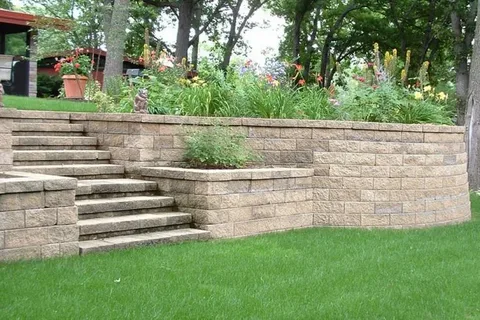
Retaining walls serve both practical and aesthetic purposes, particularly on sloped properties. Constructing a retaining wall in Brisbane requires adherence to local guidelines and thoughtful planning. This guide provides detailed steps, from material selection to landscaping, to ensure a successful project.
Selecting Appropriate Materials for Retaining Wall Construction in Brisbane
Choosing the right materials for a retaining wall is essential for its structural integrity, aesthetic appeal, and longevity. The material selected will influence the wall’s ability to withstand environmental conditions, the ease of installation, and the overall maintenance requirements. Some standard options for retaining wall materials include concrete blocks, natural stone, timber, and brick, each offering unique benefits and considerations.
Concrete blocks are a popular choice for retaining walls due to their versatility, durability, and ease of installation. They are available in various shapes, sizes, and finishes, making it easy to customize the look of the wall. Concrete blocks are highly durable and resistant to weather conditions, especially when properly sealed, which is a key factor in areas like Brisbane where weather can be harsh.
Natural stone is another excellent choice for its timeless, natural aesthetic. It provides a rustic charm that complements landscaping and is highly durable. However, stone can be more expensive and difficult to install due to the need for specialized craftsmanship. Despite this, its strength and ability to withstand the test of time make it a valuable option for retaining walls.
Timber offers a more natural look and is generally less expensive than concrete or stone. It’s suitable for lighter, less demanding applications but may be less durable in the long term, particularly in Brisbane’s humid climate. Timber walls require regular maintenance, including sealing and treatment to prevent rotting and weathering.
Brick is a traditional option that offers durability and a classic aesthetic. It’s versatile and can be used in various design styles, but like stone, it can be labour-intensive and costly to install. Additionally, brick retaining walls require proper drainage to ensure their longevity.
Familiarising with Local Regulations for Retaining Wall Construction in Brisbane
Before beginning the construction of a retaining wall in Brisbane, it is crucial to familiarize yourself with the city’s building codes and regulations to ensure the project complies with legal requirements and industry standards. Retaining walls, especially those over one metre in height, typically require a structural engineer’s input and must be approved by the local council. This is because taller walls pose more significant risks regarding stability and safety and require professional design and calculations to ensure they can withstand the pressure of the surrounding soil and water.
Consulting a structural engineer is essential for walls over one metre. To design a strong, stable, and durable retaining wall, an engineer will assess the specific site conditions, including soil type, slope, and water flow. The engineer will also calculate the appropriate materials, drainage systems, and reinforcement necessary to prevent soil movement and water buildup, which could lead to structural failure.
In addition to engineering input, securing the required permits from the Brisbane City Council is essential. Depending on the project’s scope, a building permit may be needed, and the proposed design may need to undergo a review process to ensure it meets local safety, environmental, and aesthetic standards. Failing to obtain the necessary permits can lead to legal consequences, including fines or demolishing the wall if it does not meet regulatory requirements.
Planning and Designing for Retaining Wall Construction in Brisbane
The design process involves assessing the site to determine the appropriate dimensions and style for the retaining wall. Consider functional requirements like soil retention and water drainage and aesthetic aspects like colour and texture. Ensure the retaining wall complements the surrounding landscape, enhancing the property’s overall appearance. Detailed planning helps visualize the final structure and organize the necessary resources, ultimately streamlining the construction process.
Site Preparation for Retaining Wall Construction in Brisbane
Clear the site of any vegetation or debris and mark the intended wall line with stakes and string lines. This ensures the wall’s placement is accurate and the foundation solid. Check for obstructions and ensure the ground is level. Proper site preparation sets the stage for a stable retaining wall.
Excavation Process for Retaining Wall Construction in Brisbane
Excavation Process for Retaining Wall Construction in Brisbane
Excavate a trench along the marked line using tools like shovels or mechanical diggers. The trench depth should match the required base depth and be wide enough for proper drainage. Ensure the trench bottom is level to support the retaining wall effectively. This process involves removing soil to create space for the retaining wall’s base, essential for stability and longevity.
Establishing the Base for Retaining Wall Construction in Brisbane
Lay a layer of crushed stone or gravel at the bottom of the trench. Compact the material thoroughly to prevent settling, which could compromise the wall’s structural integrity. Ensure the base is level to provide a firm foundation. This foundation layer is essential for distributing the load evenly and preventing shifts in the wall. Once the base material is compacted and levelled, the following stages of wall construction can proceed smoothly.
Setting the Initial Course for Retaining Wall Construction in Brisbane
Begin by laying the first row of blocks or stones, ensuring each piece is level and properly aligned. Use a spirit level for accuracy and make adjustments as needed. This step is crucial for maintaining the wall’s overall stability and appearance. Once satisfied with the alignment and levelness, proceed to secure the initial course firmly in place. Proper placement of the first row sets a solid foundation for subsequent layers.
Building the Following Layers for Retaining Wall Construction in Brisbane
Continue stacking the subsequent layers of blocks or stones, ensuring joints are staggered to improve stability. Regularly check for levelness and alignment, making adjustments as necessary. Use a spirit level for precision and ensure each layer is securely in place. Maintain consistent backfilling as each layer is added to provide continuous support and drainage. This systematic approach helps create a robust and long-lasting retaining wall.
Backfilling the Retaining Wall in Brisbane
Backfilling involves placing material behind the wall to offer support and enable proper drainage. Use gravel or similar permeable materials to allow water to pass through, thereby preventing pressure buildup against the wall. If required, install drainage pipes to direct water away. Proper backfilling ensures the wall’s stability and longevity by minimizing related issues. Regularly monitor the backfill material to maintain its effectiveness in supporting the retaining wall.
Finishing the Wall with Capping in Brisbane
Secure copstones on top of the retaining wall using appropriate adhesive. These capstones add a finished look and protect the structure from weather elements. Ensure each copstone is level and aligned to maintain a uniform appearance. The adhesive should be suitable for outdoor use, providing a durable bond. Proper installation of capstones enhances the retaining wall’s function and aesthetics, contributing to its overall longevity. Regularly check the copstones to ensure they remain securely attached.
Conducting Final Inspections and Adjustments for Retaining Wall Construction in Brisbane
Carefully examine the entire retaining wall to detect any imperfections or structural weaknesses. Pay particular attention to each block or stone’s alignment, levelness, and stability. Correct any deviations or loose elements immediately. Check drainage systems for proper function to prevent water buildup. Inspect the surrounding soil and backfill for compaction and any signs of erosion. Address any minor repairs or adjustments promptly to maintain the wall’s durability and appearance. Regular maintenance will ensure long-term performance.
Landscaping and FinalisFinalizingtaining Wall in Brisbane
Integrate plants and decorative features to enhance the retaining wall’s appearance. Select plant varieties suited to Brisbane’s climate, ensuring their root systems won’t affect the wall’s integrity. Mulch and decorative stones can add a polished finish. Regular upkeep, including trimming and cleaning, maintains the wall’s attractiveness. Install lighting to highlight the structure during evening hours, creating an inviting ambience. Thoughtful landscaping complements the wall and enhances the overall appeal of the outdoor space.
Conclusion and Summary of the Retaining Wall Construction Process in Brisbane
Installing a retaining wall in Brisbane demands careful selection of materials, adherence to local regulations, and meticulous site preparation. Proper construction techniques and backfilling ensure stability and longevity. Enhancing the structure with thoughtful landscaping completes the project, creating a functional and visually appealing addition to the property.
FAQS
What materials are best for building a retaining wall in Brisbane?
The best materials for building a retaining wall in Brisbane depend on your project’s needs, budget, and aesthetic preferences. Standard options include concrete blocks, natural stone, timber sleepers, and interlocking concrete panels. Concrete and stone are durable and weather-resistant, ideal for long-lasting stability, while timber offers a more natural, rustic look. Be sure to choose materials suitable for Brisbane’s climate and soil conditions.
Do I need a permit to install a retaining wall in Brisbane?
In Brisbane, whether you need a permit to install a retaining wall depends on the height and location of the wall. A permit is typically not required for walls under 1 meter in height, but if the wall exceeds 1 meter or is located near a property boundary, you may need to apply for approval from your local council. It’s always recommended to check with the Brisbane City Council or a professional to ensure you comply with local regulations.
How do I calculate the correct size and height for my retaining wall?
To determine the appropriate size and height for your retaining wall, you must assess the site’s slope, soil conditions, and the wall’s purpose (e.g., structural support, garden edging, or landscaping). A general rule is that retaining walls higher than 1 meter may require additional engineering to ensure stability. It’s also important to consider drainage and the weight of the material behind the wall. Consulting a professional can help ensure the wall suits your needs.
How do I prepare the site for a retaining wall installation?
Site preparation is a crucial step in building a retaining wall. Start by marking where the wall will go and ensuring the ground is level. You may need to excavate soil and remove any existing vegetation or debris. Proper drainage is essential to prevent water buildup behind the wall, so consider installing drainage pipes or gravel behind the wall for optimal water flow. Compacting the soil to provide a solid foundation for the wall is also important.
Can I install a retaining wall, or should I hire a professional?
While installing a small retaining wall yourself is possible if you have the right tools and experience, hiring a professional for more enormous or complex walls is recommended. Professionals can ensure the wall is properly designed, engineered, and installed to meet local regulations. Hiring an expert can save you time and effort and ensure the wall’s longevity and safety.
How can I maintain my retaining wall in Brisbane’s climate?
Maintaining a retaining wall in Brisbane’s climate involves regular inspection and upkeep. Ensure the wall remains vegetation-free, which can cause moisture retention and damage. Check for any cracks or shifting in the wall and any signs of water pooling behind the wall, which could compromise its stability. Regularly clear drainage outlets and ensure water flows away from the wall. If needed, reseal or repair the wall to prevent further damage.
| Related Business Listings |
| Contact Directory |
| Local Business Profiles |