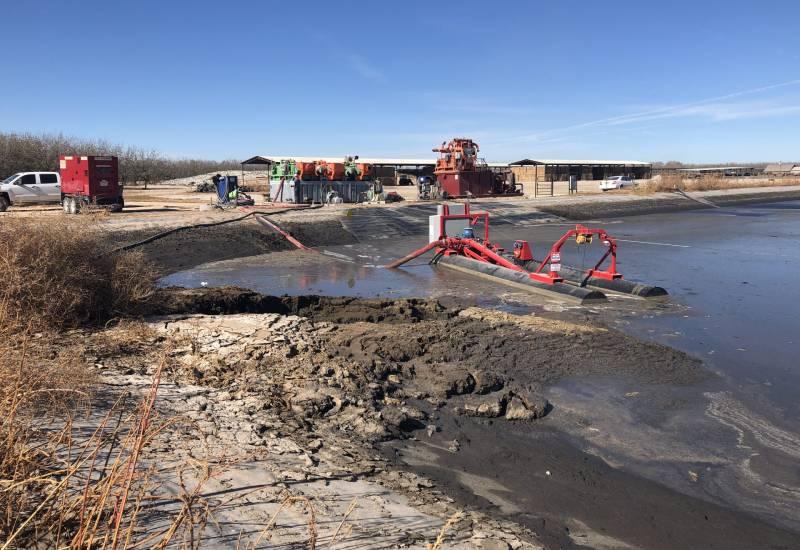
Operating a remote controlled dredge can be an exciting and efficient way to manage sediment and debris in various water bodies. These advanced machines allow users to navigate hard-to-reach areas without direct human intervention, making dredging tasks safer and more effective. Whether you’re using the dredge for construction, maintenance, or environmental restoration, understanding how to operate it properly is crucial for success. This step-by-step guide will cover everything from the fundamentals of dredge operation to maintenance tips to ensure your equipment remains in top condition. By the end of this guide, you will have the knowledge and confidence needed to operate a remote-controlled dredge effectively.
Understanding the Basics of Remote Controlled Dredge Operation
Before diving into operation, it’s vital to understand the fundamental concepts of remote controlled dredge operation. Remote controlled dredge are equipped with specialized tools to excavate sediment, muck, or debris from underwater locations. They often feature a buoyant design that allows them to float on water while operating. Understanding the dredge’s components—such as the suction mechanism, propellers, and control systems—will enable you to utilize it more effectively. Familiarize yourself with how these parts interact to optimize performance. Additionally, grasping the basic physics of dredging, including how water currents and sediment types affect operation, will further enhance your capabilities as an operator, ensuring efficient and effective dredging results.
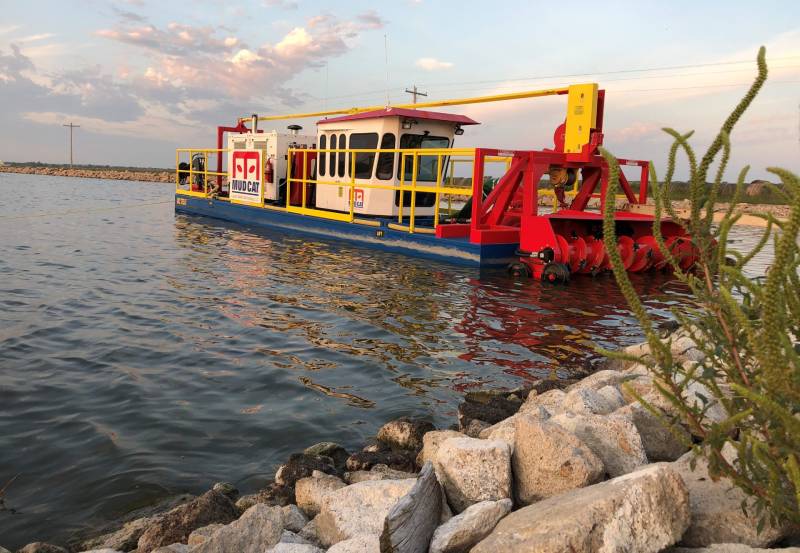
Essential Equipment for Your Remote Controlled Dredge
To operate a remote-controlled dredge successfully, having the right equipment is essential. This includes the dredge itself, remote control, and auxiliary tools like GPS systems for navigation. Many operators also invest in underwater cameras to monitor the dredging process visually. A robust battery system is crucial for powering the dredge during extended operations. Additionally, personal protective equipment (PPE) such as life jackets, gloves, and goggles should be readily available for safety purposes. Depending on the dredge model, you may also need specific hoses, anchors, or additional flotation devices. Equipping yourself with the necessary tools will ensure that you can manage a wide range of dredging tasks efficiently and safely.
Safety Precautions When Using a Remote Controlled Dredge
Safety should always be your top priority when operating a remote-controlled dredge. Begin by assessing the worksite for hazards such as strong currents, underwater obstructions, or potential wildlife encounters. Always wear appropriate personal protective equipment, including life jackets and gloves, to reduce the risk of injury. Before commencing dredging operations, ensure all remote control devices are functioning correctly, and familiarize yourself with the emergency shut-off procedures. It’s also vital to maintain a safe distance from others while operating the dredge, ensuring that bystanders are clear of the work area. Additionally, regularly inspect your equipment for wear and tear, as faulty gear can lead to accidents. By prioritizing safety, you’ll create a more secure working environment for yourself and those around you.
Preparing Your Remote Controlled Dredge for Operation
Preparation is key to successful dredging operations. Before launching your remote-controlled dredge, conduct a thorough pre-operation check. This includes inspecting the dredge for any signs of damage, such as leaks or wear on the hoses and suction mechanisms. Ensure that the remote control is fully charged and functioning, and calibrate any GPS or navigation systems. Additionally, verify that the dredge’s buoyancy is adequate and that it is correctly ballasted for the specific conditions of your worksite. Setting up a safe and accessible launch area will facilitate smooth operation. Finally, gather all necessary equipment and tools, such as spare batteries and repair kits, so you are fully prepared to address any issues that may arise during the operation.
Step-by-Step Instructions for Operating a Remote Controlled Dredge
Once you’ve prepared your remote-controlled dredge, it’s time to operate it effectively. Start by launching the dredge into the water, ensuring it is stable and securely floating. Use the remote control to maneuver the dredge into the desired dredging area, utilizing GPS for accurate positioning if available. Engage the suction mechanism and carefully monitor its performance, adjusting power levels as necessary. As you begin dredging, maintain a steady pace to avoid overloading the dredge. Pay attention to any changes in sediment type or underwater conditions, as these may require adjustments to your approach. Throughout the operation, maintain communication with any team members present, and be ready to respond to unexpected situations quickly and efficiently.
Troubleshooting Common Issues with Your Remote Controlled Dredge
Even with careful operation, issues may arise while using a remote-controlled dredge. Common problems include loss of signal, clogs in the suction system, and unexpected shutdowns. If you experience a loss of signal, try moving closer to the dredge or adjusting the antenna for better reception. For clogs, stop the dredge and carefully remove any debris blocking the suction hose. If the dredge shuts down unexpectedly, check the battery levels and ensure all connections are secure. Regularly consulting the manufacturer’s manual can provide specific troubleshooting tips tailored to your model. Additionally, keeping a log of any issues you encounter will help identify patterns that may indicate a more significant problem needing attention.
Maintenance Tips for Your Remote Controlled Dredge
- Regular maintenance is crucial for the longevity and performance of your remote-controlled dredge.
- Start by cleaning the dredge after each use to remove sediment, debris, and saltwater residue, which can cause corrosion over time.
- Inspect the hoses and suction systems for any signs of wear and replace them if necessary.
- Battery care is also vital; ensure batteries are charged and stored properly when not in use to prolong their lifespan.
- Conduct routine checks on the remote control to ensure all functions operate smoothly.
- Additionally, keeping a detailed maintenance log will help track any repairs or replacements, making it easier to stay proactive in preserving your dredge’s performance.
- By prioritizing maintenance, you can enhance the efficiency and reliability of your dredging operations.
Conclusion
Operating a remote-controlled dredge offers a unique opportunity to manage underwater tasks effectively. By understanding the basics of dredge operation, preparing adequately, and following safety protocols, you can maximize the performance of your equipment. Troubleshooting common issues and adhering to a regular maintenance schedule will help extend the lifespan of your dredge while ensuring it operates at peak efficiency. Whether you’re using the dredge for construction projects, environmental remediation, or recreational purposes, the knowledge and skills outlined in this guide will empower you to tackle your dredging tasks with confidence and expertise. As you gain experience, you’ll find that remote-controlled dredging can be both a rewarding and impactful endeavor.