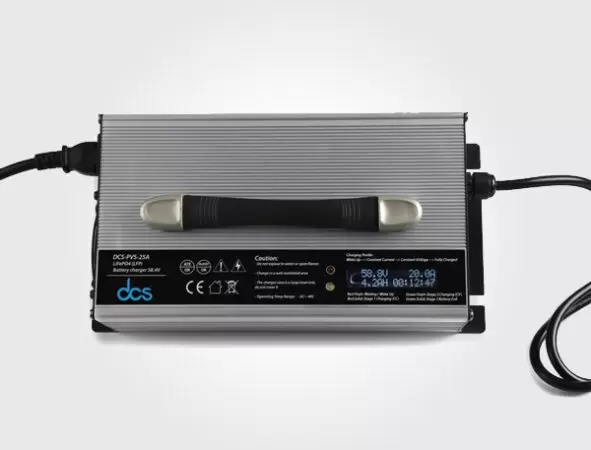
Lithium-ion batteries, renowned for their high energy density and reliable charge retention, power many of our devices and vehicles. However, the advanced chemistry of these batteries necessitates careful handling. Understanding the best practices for charging, especially under challenging conditions, is crucial.
The key to their longevity lies in using a charger designed for lithium-ion batteries. Such chargers often include essential features like temperature control and overcharge protection, which safeguard the Charger Li Ion Battery performance and lifespan. Always ensure compatibility between the battery and the charger to optimise safety and efficiency.
Selecting the Appropriate Charger for Lithium Batteries
Choosing the right charger for lithium-ion batteries is crucial for maintaining their health and efficiency. Selecting a charger that matches the specific battery type is essential to avoid overcharging or undercharging, which can lead to damage. Features like temperature control and adjustable charging currents help ensure the battery receives the correct voltage for its safety and longevity. Overcharge protection is another important feature that prevents the battery from reaching dangerous levels during charging.
Additionally, chargers designed for lithium-ion batteries often come with interchangeable connectors, which add versatility and convenience. These chargers are designed to optimise the charging process, ensuring the battery operates at peak performance. Regular inspections are essential to ensure the charger is functioning properly and in good condition. Always replace any damaged components to prevent malfunctions that pose a safety risk. The right charger protects the battery and extends its useful life, helping you get the most out of your lithium-ion battery.
Comprehending Extreme Conditions
Extreme environmental conditions can significantly affect the performance and safety of lithium-ion batteries. High temperatures can cause the battery to overheat, leading to potential safety risks such as thermal runaway, which could result in a fire or explosion. On the other hand, low temperatures can decrease a battery’s ability to retain charge, reducing its performance and overall lifespan.
Humidity, dust, and exposure to water can also cause the battery to malfunction or degrade. Therefore, charging lithium-ion batteries in environments with stable and moderate conditions is essential. If charging in extreme conditions is unavoidable, ensure the charger has built-in temperature control and overcharge protection to safeguard against these risks.
Additionally, storing and charging the battery in a well-ventilated area will help dissipate any heat generated during the process. By taking these precautions, you can protect your lithium-ion batteries from the adverse effects of harsh environments and ensure their longevity and safe operation.
Safety Precautions for Charger Battery Lithium
Charging lithium-ion batteries requires a careful approach to ensure safety and maximise lifespan. Here are some essential tips to follow:
Use the Right Charger
Always use a charger designed specifically for lithium-ion batteries. Using an incompatible charger can lead to improper charging, overheating, or fire hazards.
Charge in a Well-Ventilated Area
Charging lithium-ion batteries in a confined space can result in overheating. It is crucial to place the battery in a well-ventilated area to dissipate heat effectively, minimising the risk of thermal runaway or fire.
Check for Battery Damage
Before charging, inspect the Charger Battery Lithium for any visible signs of damage, such as cracks or leaks. If the battery appears damaged, avoid charging it to prevent dangerous malfunctions.
Monitor the Charging Process
While charging, check the battery for signs of trouble, such as excessive heat or unusual odours. If any anomalies occur, disconnect the charger immediately.
Disconnect Once Fully Charged
Avoid leaving the battery connected to the charger once it’s fully charged. Overcharging can cause the battery to swell, leak, or even explode.
Store Batteries Properly
Store your lithium-ion batteries in a cool, dry place, away from direct sunlight and water. Extreme conditions can damage the battery and reduce its efficiency.
By following these simple precautions, you can ensure your lithium-ion batteries’ safe use and longevity.
Choosing a Charger for Best Lithium Battery Charger
When selecting a charger for lithium-ion batteries, it’s important to focus on three key factors:
- Power output, compatibility, and safety features.
- Choose a charger designed specifically for Best Lithium Battery Charger to ensure that it provides the appropriate voltage and current for efficient charging.
- Look for chargers that include adjustable charging currents and temperature control to maintain the battery’s safety and performance.
A charger with interchangeable connectors offers greater flexibility, allowing it to be used with different battery types. Built-in safety features like overcharge protection and short circuit prevention are critical to ensuring safe and reliable charging. Before purchasing, read user reviews and expert recommendations to find the most suitable charger for your specific needs. The right charger will protect your lithium-ion batteries and extend their life by optimising the charging process. Choose a charger that provides the best balance of efficiency, safety, and versatility for your lithium-ion battery needs.
Configuring Charger Settings
Properly configuring the charger settings for lithium-ion batteries is essential for ensuring both safety and battery performance. Many chargers for lithium-ion batteries come with adjustable settings that allow you to customise the charging current and voltage to match the battery’s requirements. Understanding the different charging modes, such as fast or trickle, is also important for optimising battery health.
Rapid charging can be useful when time is limited, but prolonged use of this mode may increase the risk of overheating and shorten the battery’s lifespan. Trickle charging, on the other hand, is slower but gentler on the battery and may be ideal for long-term storage. Always follow the manufacturer’s instructions for the recommended charging settings to avoid damaging the battery.
Regularly monitor the charging process to ensure that the battery is charging correctly and that there are no unusual signs, such as excessive heat or strange odours. Proper charger settings and configuration ensure your lithium-ion battery’s safety and longevity.
Supervising Procedure for Battery Charger for Lithium Batteries
Supervising the charging process of lithium-ion batteries is essential to ensure safety and prevent accidents. Always ensure your charger is compatible with the specific lithium-ion battery you are charging.
Utilise a battery management system (BMS) to monitor the temperature and charge status in real time, especially if you charge the battery in extreme conditions. Regular supervision allows you to catch any potential issues early, such as overheating, swelling, or strange noises, which could indicate that the battery is malfunctioning.
If you notice any abnormalities during the charging process, disconnect the charger immediately and inspect the Battery Charger for Lithium Batteries for visible damage. Using a charger specifically designed for lithium-ion batteries, with built-in safety features like temperature control, significantly reduces the risk of such issues. Always ensure you are charging the battery in a safe, well-ventilated area and never leave it unattended for extended periods during the charging process. Supervision is a key step in ensuring safe and efficient battery charging.
Upkeep of Battery Charger for Lithium Ion Battery
Maintaining your lithium-ion battery charger is vital for ensuring its continued safe operation. Regular upkeep involves cleaning the charger to remove dust, dirt, and debris that could impair its functionality. Inspect the charger regularly for signs of wear and tear, such as frayed cables or damaged connectors, and replace any damaged parts.
Additionally, ensure that the charging connectors are securely attached and corrosion-free to prevent charging issues. By performing regular maintenance on your charger, you can avoid malfunctions and ensure the charger operates efficiently for an extended period. Consult the manufacturer’s guidelines for proper maintenance procedures and adhere to the recommended schedule.
Adequate upkeep of the charger and the Battery Charger for Lithium Ion Battery can help extend their lifespan, reduce the risk of accidents, and optimise their performance. Keeping your charger in good condition is a simple yet crucial step in ensuring the safety and longevity of your lithium-ion batteries.
Recommended Practices for Extending Battery Lifespan
To extend the lifespan of your lithium-ion batteries, it’s important to store them properly and avoid exposing them to extreme conditions. Storing batteries in a cool, dry place can help prevent the deterioration of the battery’s internal components, which can occur when exposed to high temperatures.
Regularly calibrating the battery by fully discharging and then fully charging it ensures it maintains accurate charge levels and extends capacity. Avoid fully discharging the battery to 0% or overcharging it to 100%, as these practices can reduce lifespan. Use chargers designed for lithium-ion batteries and with built-in safety features like overcharge protection and temperature control to help prevent damage during charging.
Periodically check both the battery and charger for signs of wear or damage and promptly replace worn-out components. By following these simple yet effective practices, you can significantly extend the lifespan of your lithium-ion batteries and maintain optimal performance.
Handling Emergency Situations
If you encounter any issues with your lithium-ion battery, such as swelling, leaking, or emitting smoke, it’s important to handle the situation cautiously. First, immediately disconnect the battery from the charger and move it to a safe, well-ventilated area. Avoid touching the battery with bare hands, as the contents can be hazardous. If the battery leaks, take extra precautions and wear gloves when handling it.
Contact professionals for assistance, and do not attempt to repair or dispose of the battery alone. Keep a fire extinguisher nearby when charging lithium-ion batteries as a precautionary measure in an emergency. Always use a charger specifically designed for lithium-ion batteries, as these chargers include built-in safety features to reduce the risk of malfunctions. Proper handling of emergencies ensures you can safely address any issues without putting yourself or others at risk.
Selecting the Optimal Lithium Battery Charger
Choosing the optimal lithium-ion battery charger requires careful consideration of key factors such as safety features, compatibility, and brand reliability. Opt for a charger that offers overcharge protection, temperature control, and adjustable charging profiles to ensure the safety and longevity of the battery. Check user reviews and expert recommendations to identify high-quality chargers that meet your needs.
For added versatility, consider chargers compatible with various lithium-ion battery types and interchangeable connectors. Always choose a charger from a trusted brand specialising in lithium-ion technology, as these brands are more likely to produce chargers that meet the necessary safety standards. Additionally, ensure that the charger can charge at the correct voltage and current for your specific battery type. By selecting the optimal charger, you can safely charge your lithium-ion batteries in extreme conditions without compromising their performance or lifespan.
Essential Safety Precautions for Battery Charger for Li Ion Battery
Employing the right charger for lithium-ion batteries is vital for safety, especially in extreme conditions. Always opt for a charger with temperature control and overcharge protection. Regularly inspect your Battery Charger for Li Ion Battery and charger for any signs of wear or damage. Ensure charging takes place in a well-ventilated area to prevent overheating.
Understanding and configuring charger settings appropriately can optimise battery performance and extend lifespan. Following these precautions will help maintain the efficiency and safety of your lithium-ion batteries.
Conclusion
Charging lithium-ion batteries in extreme conditions requires careful attention to safety and performance. By selecting the right charger, configuring it appropriately, and taking necessary precautions, you can ensure safe charging and extend the lifespan of your battery. Regular inspection and maintenance of the battery and charger are vital for preventing malfunctions. Always monitor the charging process, store the battery in suitable conditions, and handle emergencies promptly. Following these guidelines helps maximise the efficiency and safety of Charger Li Ion Battery, ensuring optimal performance even in challenging environments.
FAQs
What are the key features to look for in a lithium-ion battery charger?
A good lithium-ion charger should include temperature control, overcharge protection, adjustable charging currents, and compatibility with your battery type. These features help maintain battery health, prevent overheating, and ensure efficient charging.
Can I charge my Charger Li Ion Battery in extreme temperatures?
Charging Charger Li Ion Battery in extremely hot or cold conditions can affect their performance and safety. It is best to charge the battery within the temperature range recommended by the manufacturer to prevent overheating or reduced charge retention.
What should I do if my lithium-ion battery is swelling during charging?
If your battery starts swelling or exhibits unusual behaviour, immediately disconnect it from the charger, place it in a well-ventilated area, and seek professional assistance. Only attempt to charge or use the battery further once the issue is resolved.
How can I extend the lifespan of my lithium-ion battery?
To extend battery life, avoid full discharges and overcharges, store the battery in a cool, dry place and ensure it is not exposed to extreme conditions. Regular calibration and maintenance of the charger also help maintain optimal battery health.
Can I use any charger for my lithium-ion battery?
No, using an incompatible charger can damage your battery. Always choose a charger specifically designed for lithium-ion batteries, with the right voltage and current specifications, to ensure safe and efficient charging.
| Related Business Listings |
| Contact Directory |
| Local Business Profiles |