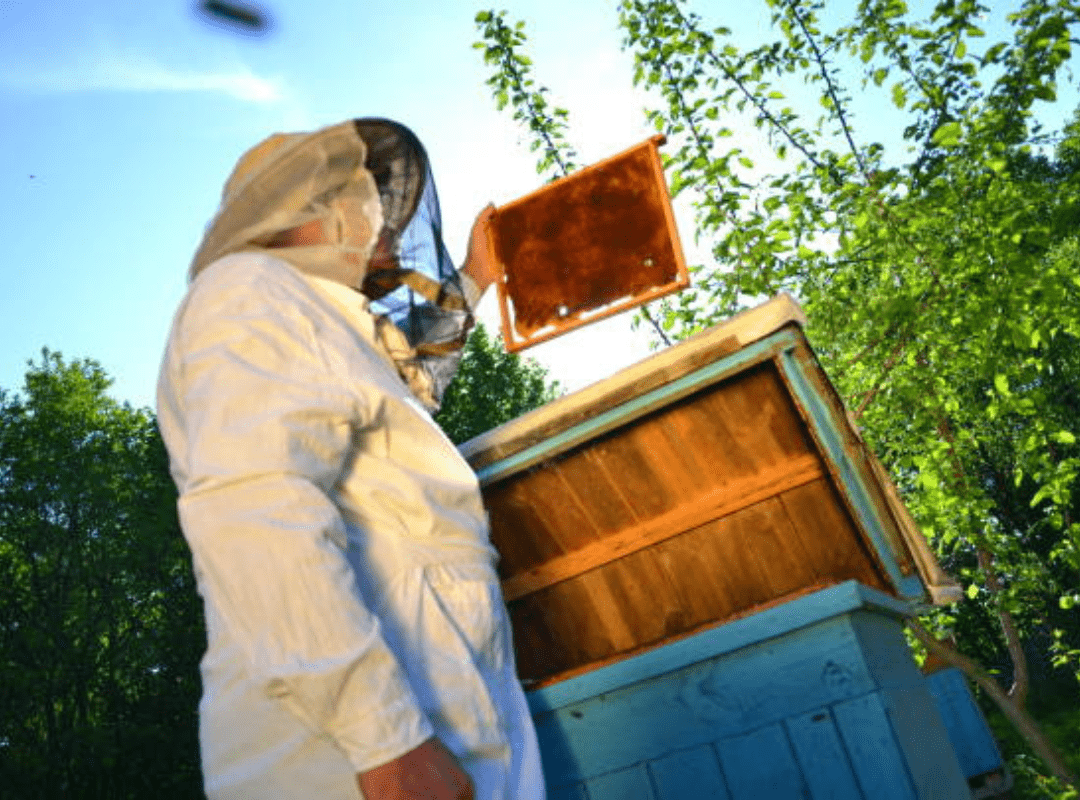
Bees are essential pollinators, playing a crucial role in maintaining biodiversity and supporting agricultural productivity. However, with growing urbanization, human encounters with bees are becoming more frequent, often leading to conflicts. Humane bee relocation offers a safe and ethical solution, protecting both homeowners and these vital insects. By moving bees to safer habitats instead of exterminating them, we can preserve their critical role in ecosystems while addressing safety concerns. This blog will delve into the importance of humane bee relocation, signs to call for professional help, and the methods experts use to handle these situations responsibly.
Why Is Bee Relocation Necessary?
Bees play a fundamental pollination role, directly affecting food production and ecological balance. Without bees, crops like almonds, apples, and strawberries would struggle to thrive. Humane bee relocation ensures these critical insects are not harmed when they find themselves in human spaces.
Benefits of Bee Relocation
- Conservation of Biodiversity: Bee species are under threat due to habitat loss, pesticides, and climate change. Relocating bees instead of exterminating them helps preserve their population and prevents further decline.
- Improved Safety: When bees nest near homes, they can pose a risk to those with allergies or young children. Removing the nest safely protects both humans and bees.
- Sustainability: Humane relocation ensures bees continue to contribute to local ecosystems after they are moved to a safer environment.
Instead of considering extermination, which can have devastating effects on bee populations, humane bee relocation is the ethical and environmentally friendly solution.
Signs You May Need Bee Relocation
Not all bee activity around your property requires intervention. Bees are naturally drawn to flowering plants, and their presence in your garden is usually harmless. However, there are scenarios where bee relocation becomes necessary.
When to Call for Help
- Nests in High-Traffic Areas
If bees establish a hive near entrances, playgrounds, or patios, the risk of accidental disturbance increases. This can lead to aggressive behavior from the bees as they defend their colony. - Structural Infestation
Bees sometimes create hives in walls, attics, or other structures. This can cause structural damage over time, and removing the bees safely will require professional expertise. - Swarms Settling Temporarily
Swarming is a natural process where a bee colony splits to form a new hive. Swarms are generally non-aggressive but can appear intimidating. In these cases, relocation is essential to prevent them from establishing a permanent home. - Health Concerns
Allergies to bee stings can make close encounters dangerous for some individuals. If a hive poses a health risk, humane relocation is a safe and effective solution.
How Professionals Handle Bee Relocation
Effective and ethical bee relocation requires the expertise of trained professionals. Attempting DIY methods can harm both you and the bees, as improper handling often leads to aggressive behavior or death of the colony.
Process of Bee Relocation
- Inspection
A professional begins by identifying the hive’s location and size. They also assess the species to ensure correct handling methods. - Safe Removal
Professionals use specialized equipment to extract the hive carefully. This minimizes stress for the bees and prevents damage to property. - Rehoming the Bees
The relocated bees are taken to safe environments such as apiaries or protected natural habitats where they can thrive.
Why Choose Professional Services?
Professional bee removal in Orange County offers humane solutions tailored to local regulations and environmental considerations. Experts prioritize the safety of your family and property while ensuring the bees are relocated responsibly. By working with professionals, you can rest assured that the bees are handled ethically and without harm.
Humane Bee Relocation vs. Extermination
It can be tempting to opt for extermination, especially when faced with the immediate nuisance of a hive. However, extermination has long-term consequences for both the environment and homeowners.
Environmental Impact
Killing bees disrupts ecosystems and accelerates the decline of pollinator populations. It’s worth noting that many bee species, including honeybees, are already struggling due to environmental challenges. Choosing humane bee relocation supports conservation efforts and maintains balance in nature.
Property Concerns
Extermination often leaves behind dead bees and honeycombs within walls or structures, which can attract pests and create unpleasant odors. Humane removal eliminates these risks by addressing the problem comprehensively.
When to Call a Professional for Bee Relocation
While some situations may appear manageable, bee removal is best left to experts. Trained professionals have the knowledge and tools to handle bees safely, ensuring the well-being of both humans and pollinators.
Importance of Timely Intervention
Delaying action can result in larger infestations and increased risks to your property and health. If you notice a hive or swarm in an area that poses a threat, calling a professional promptly is essential.
Supporting Pollinators Through Ethical Practices
Choosing humane bee relocation not only addresses immediate concerns but also contributes to broader conservation efforts. By working with professionals, you’re ensuring that bees continue to play their critical role in sustaining ecosystems.
In addition to professional services, homeowners can support pollinators by creating bee-friendly environments. Planting native flowers, reducing pesticide use, and providing water sources are simple ways to encourage healthy bee populations.
Conclusion
Bees are indispensable to the health of our planet. When their habitats overlap with ours, humane bee relocation offers a solution that protects both humans and these vital pollinators. Whether dealing with a structural infestation or a temporary swarm, professional intervention ensures bees’ safety and ethical handling.