Grammar is very important when you want to speak and write in English. One part of grammar that many students find hard is conditional sentences. These are sentences that talk about “if something happens, then something else will happen.” When you learn to use conditionals well, you sound more like a native speaker.
If you are getting ready for the IELTS exam, you must understand conditional sentences. It helps in writing and speaking tasks. You will use them when you talk about wishes, plans, or future dreams. If you want help, you can join IELTS Coaching in Noida to learn grammar in a better way.
What Are Conditional Sentences?
Conditional sentences have two parts. One part talks about a condition. The other part shows the result.
Example:
If it rains, I will stay home.
Here, “If it rains” is the condition. “I will stay home” is the result.
Four Types of Conditional Sentences
| Type | Condition Time | Result Time | Example |
| Zero Conditional | Present | Present | If you heat ice, it melts. |
| First Conditional | Future | Future | If I study, I will pass. |
| Second Conditional | Unreal Present | Future | If I were rich, I would travel. |
| Third Conditional | Past | Past | If I had studied, I would have passed. |
Type 1: Zero Conditional
Use this type for facts or things that always happen.
Structure: If + present tense, present tense
Example:
If you mix red and blue, you get purple.
This is used for science facts or simple truths.
Type 2: First Conditional
Use this type to talk about real future situations.
Structure: If + present tense, will + verb
Example:
If I wake up early, I will go for a walk.
It talks about things that can really happen in the future.
Type 3: Second Conditional
Use this type for dreams or things that are not real now.
Structure: If + past tense, would + verb
Example:
If I were a bird, I would fly.
This is not a real thing. You cannot become a bird. But you are just talking about it.
Why Learn in Gurgoan?
Gurgaon is a lively city known for its big offices and tech companies. Many people work and build their careers, and prepare for the IELTS exam. IELTS Training in Gurgaon is a great option if you wish the same. The course covers Speaking, Listening, Reading, and Writing. One fun part of the course is learning how to talk about your hopes and goals, which helps you speak Part 2. It’s a great way to improve your English!
Type 4: Third Conditional
Use this type to talk about things that did not happen in the past.
Structure: If + had + past participle, would have + past participle
Example:
If I had studied more, I would have passed the test.
This tells about a past mistake or a sad memory. It helps in Writing Task 2 when you talk about changes or events.
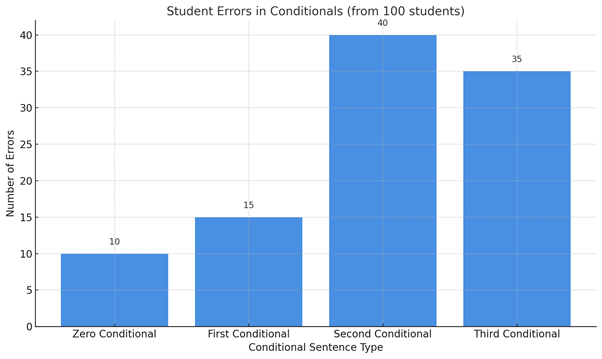
Most students make mistakes with the second and third conditional sentences.
Common Mistakes to Avoid
| Mistake | Correct Sentence |
| If I will go to the market, I will buy milk. | If I go to the market, I will buy milk. |
| If I was you, I would take the job. | If I were you, I would take the job. |
| If she studied, she will pass. | If she studies, she will pass. |
Delhi is a big and busy city with many places to see. It has old forts, busy markets, and tasty street food. Students who join the IELTS Course in Delhi learn how to fix these small but important errors in grammar. They practice speaking and writing with the right conditional sentences.
Why Conditionals Are Important in IELTS?
Speaking
You can use conditionals to explain your dreams or your plans.
Example:
If I travel abroad, I will learn many new things.
Writing
You can use them to talk about results of past actions.
Example:
If the government had helped more, people would not have lost their homes.
Listening
You need to understand when someone talks about plans, hopes, or past actions.
Reading
Conditionals help you understand cause and effect in articles or reports.
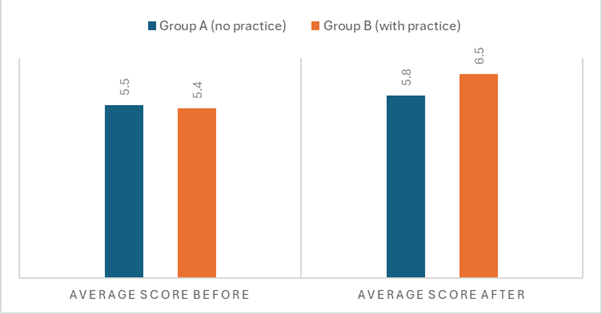
This shows that students who practiced conditionals improved more than those who did not.
Tips to Learn Conditionals Easily
- Start with simple examples
- Use daily life situations
- Practice with friends or teachers
- Write your own sentences every day
- Watch English videos and note conditionals
Conclusion
Conditional sentences can help you sound smart and confident in English. They make your answers better in both speaking and writing. When you learn to use them the right way, you can explain ideas clearly. So start learning conditionals today. With practice, you will speak and write like a native speaker.