In the bustling world of catering, every detail matters. From exquisite dishes to impeccable service, success hinges on quality and reliability. One crucial element that often goes overlooked is refrigeration. Quality catering refrigeration units are more than just appliances; they are essential guardians of freshness and safety in your kitchen. When you invest in robust refrigeration solutions, you’re preserving food and enhancing your reputation as a caterer who prioritizes excellence. Discover how proper refrigeration can elevate your business and keep ingredients and customers happy.
Importance of Quality Refrigeration in Catering
In the catering industry, maintaining the freshness and safety of food is essential. Quality refrigeration plays a crucial role in ensuring food is stored at the correct temperatures, preserving its quality and preventing foodborne illnesses.
Ensuring Food Safety
One of the primary reasons why refrigeration is essential in catering is food safety. Proper refrigeration slows the growth of bacteria and other harmful microorganisms, which can thrive at room temperature. Catering businesses can use high-quality refrigeration systems to ensure that perishable items, such as meats, dairy products, and prepared dishes, are stored safely. This helps reduce the risk of contamination and ensures that food remains safe for consumption.
Extending Food Freshness
Good refrigeration helps maintain food’s texture, flavour, and nutritional value. It also prevents spoilage by controlling the temperature and humidity levels, which is especially important for businesses that prepare large quantities of food ahead of time. Proper refrigeration also helps fresh ingredients stay fresh longer, which helps caterers reduce waste and ensure that the food served is of the highest quality.
Compliance with Health Standards
Catering businesses are subject to strict food safety regulations that require them to keep food at specific temperatures. Quality refrigeration systems help caterers comply with these regulations, avoiding fines or penalties. Reliable refrigeration ensures that businesses can meet the health and safety standards necessary to maintain their reputation and operating license.
How Proper Refrigeration Enhances Food Safety?
Proper refrigeration is critical for maintaining food safety. When temperatures are kept low, harmful bacteria’s growth is significantly slowed. This reduces the risk of foodborne illnesses that can lead to serious health issues. Storing perishable items at appropriate temperatures ensures they remain fresh and safe for consumption. Refrigeration units help maintain a consistent environment, preventing temperature fluctuations that could compromise food quality.
Moreover, proper refrigeration helps preserve nutrients in foods. Fresh produce retains its vitamins better when stored correctly. Customers not only expect tasty meals but also those made with high-quality ingredients. Regular monitoring and maintenance of catering refrigerators further enhance food safety practices. By investing in reliable systems, caterers create safer dining experiences while effectively adhering to health regulations.
Choosing the Right Refrigeration Units for Your Business
Selecting the ideal refrigeration units for your catering business is crucial. Start by assessing your specific needs. Consider how much food you typically store and what dishes you prepare most. Space constraints also play a significant role in your decision. Measure available areas to ensure the units fit comfortably while providing easy access.
Evaluate energy efficiency ratings as well. Energy-efficient models reduce operating costs and can lead to substantial savings over time. Look for adjustable shelves, temperature controls, and automatic defrost options. These functionalities enhance usability and keep your ingredients at optimal conditions. Consult with suppliers or industry experts who can provide insights tailored to your operation’s size and style. Their knowledge can guide you toward making informed choices that benefit food quality and operational efficiency.
Benefits of Investing In Commercial Catering Refrigeration
Investing in commercial catering refrigerators offers numerous advantages. First and foremost, these units ensure optimal food safety. Maintaining consistent temperatures prevents spoilage and contamination. Quality refrigeration also enhances the quality of your dishes. Fresh ingredients lead to better flavours and improved presentation, which diners appreciate.
Durability is another significant benefit. Commercial-grade units are designed for heavy usage in busy kitchens, promising longevity and reliability. Additionally, modern refrigeration options often come equipped with energy-efficient features. This can translate into lower utility bills—an essential consideration for any business operation.
The right refrigeration system can also streamline workflows. With designated storage spaces for various ingredients, staff can easily access what they need without wasting precious time during service hours. Investing in high-quality equipment demonstrates professionalism to clients and helps build a solid reputation within the industry.
Energy Efficiency in Catering Refrigeration Solutions
Energy efficiency is a critical consideration for catering refrigerators. These systems can consume significant amounts of electricity, directly impacting operational costs. By investing in energy-efficient models, businesses can reduce their carbon footprint and save on utility bills.
Modern refrigeration solutions often use advanced technologies such as variable-speed compressors and smart thermostats. These features allow precise temperature control, enhancing performance while minimizing energy use. Many energy-efficient units are also designed to maintain optimal cooling even under fluctuating loads. This capability not only preserves food quality but also contributes to long-term savings by reducing wear and tear on the equipment.
Proper insulation materials further enhance energy retention within the unit. This means less strain on the compressor and lower overall power consumption. As sustainability becomes more vital in the food industry, opting for eco-friendly refrigeration options aligns with cost-effectiveness and environmental responsibility.
Why Catering Refrigeration Units Are Essential For Every Kitchen?
Catering refrigeration units are pivotal in any professional kitchen. They ensure that food remains fresh and safe, crucial for quality and health standards. These units provide a controlled environment to store ingredients, preventing spoilage. Fresh produce, meats, and dairy products thrive in temperatures that minimize bacterial growth.
In addition to safety, they enhance operational efficiency. With ample storage space at the right temperature, chefs can organize their workspace effectively while maintaining quick access to essential items. Moreover, investing in robust catering refrigeration systems fosters customer satisfaction. Dishes prepared with fresh ingredients taste better and reflect positively on your business reputation. Whether running a small café or a large banquet service, reliable refrigeration is non-negotiable. It plays an integral role in managing inventory and ensuring compliance with health regulations across the board.
Maintaining Freshness with Reliable Refrigeration
Freshness is crucial in the catering industry. Reliable refrigeration units play a vital role in achieving that goal. They ensure that ingredients remain at optimal temperatures, preserving taste and nutritional value. Regular monitoring of temperature settings is essential. This helps avoid fluctuations that can compromise food quality. A consistent cold environment keeps bacteria growth at bay, allowing chefs to serve safe meals.
Cleaning your refrigeration units also contributes to maintaining freshness. Dust and debris can obstruct airflow, leading to inefficient cooling. Regular maintenance checks extend the life of your equipment while ensuring it operates effectively. Additionally, proper organization within these units prevents cross-contamination between different food items. Using clear labels for storage bins enhances efficiency during busy service hours. Investing time in training staff on best practices for handling refrigerated goods pays off, too. Knowledgeable employees help uphold the standards necessary for keeping foods fresh and delicious.
The Role of Refrigeration in Meeting Health Regulations
Maintaining proper food temperatures is crucial for compliance with health regulations. Refrigeration is vital, ensuring that perishable items remain safe for consumption. Health departments set strict guidelines regarding food storage. These regulations stipulate specific temperature ranges to inhibit bacterial growth and preserve freshness. Catering refrigerators are designed to meet these requirements seamlessly.
Regular temperature monitoring helps prevent violations and potential fines. High-quality refrigeration systems often come equipped with digital displays for easy tracking. Moreover, reliable refrigeration minimizes waste by keeping food at optimal conditions longer. This adheres to health codes and enhances customer safety and satisfaction. Investing in top-notch catering refrigeration allows businesses to uphold their reputation while meeting regulatory standards efficiently. Compliance isn’t just about avoiding penalties; it’s about providing safe food experiences for every client served.
Understanding Different Types of Catering Refrigeration Systems
Catering refrigeration systems come in various types, each serving specific needs. Reach-in refrigerators are among the most common choices for caterers. They provide easy access to ingredients while maintaining optimal temperatures. Undercounter units save valuable space without sacrificing performance. These fit snugly under counters and keep essentials at hand during food preparation.
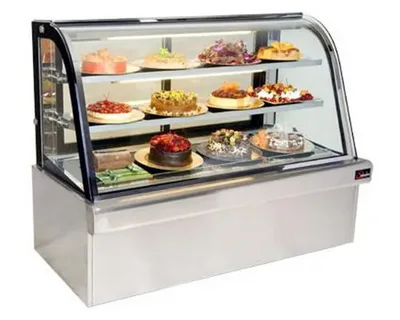
Walk-in coolers offer expansive storage, perfect for more extensive operations. They allow bulk storage of perishable items, ensuring everything stays fresh and organized. Blast chillers play a crucial role in quickly lowering food temperatures after cooking. This process helps preserve taste and texture while minimizing bacterial growth. Display cases keep items chilled and attract customers with visually appealing setups. Understanding these options allows caterers to choose the right system tailored to their business needs.
How to Extend the Lifespan of Your Catering Refrigerators?
Regular maintenance is crucial to extending the lifespan of your catering refrigerators. Schedule routine inspections to check for wear and tear. This proactive approach helps identify issues before they escalate. Keep the coils clean. Dust and debris can hinder performance and efficiency. A simple wipe-down or professional cleaning every few months will make a significant difference.
Ensure proper ventilation around your refrigeration units. Blocked airflow can lead to overheating and increased energy consumption. Always provide enough space for air circulation. Monitor temperature settings closely. Consistent temperatures prevent stress on the unit’s components, enhancing longevity—train staff on best practices for using and caring for these machines. Educated team members will help maintain optimal functionality while reducing unnecessary strain on equipment over time.
Cost-Effective Refrigeration Solutions for Caterers
Caterers often face the challenge of balancing quality and cost. Investing in catering refrigerators can effectively manage expenses while ensuring food safety and freshness. Consider used or refurbished units. They offer significant savings without compromising on performance. Many manufacturers provide warranties, giving you peace of mind for your investment.
Energy-efficient models are another great option. While they might have higher upfront costs, they lead to lower utility bills. Look for units with Energy Star ratings to maximize these benefits. Additionally, modular refrigeration systems allow flexible expansion as your business grows. This adaptability helps prevent overspending on unnecessary capacity at the start. Don’t overlook lease options either; this approach can help maintain cash flow while accessing high-quality equipment that meets your needs immediately.
The Latest Innovations in Catering Refrigeration Technology
The catering industry and the technologies behind refrigeration units are evolving rapidly. Today’s innovations focus on enhancing efficiency and convenience. Innovative technology has taken centre stage. Many modern refrigeration units now come equipped with Wi-Fi connectivity. This allows caterers to monitor temperatures in real time from their smartphones. Instant alerts can notify users of any fluctuations that could jeopardize food safety.
Energy-efficient models are also gaining traction, significantly reducing operational costs while maintaining optimal performance. These units use advanced insulation materials and eco-friendly refrigerants for better energy conservation. Another exciting trend is modular refrigeration systems, which offer flexibility in design and usage. Caterers can customize their setups based on specific needs, making it easier to adapt as business demands change. With these advancements, investing in updated catering refrigerators becomes essential for those looking to stay competitive in a fast-paced market.
Conclusion
Investing in quality catering refrigeration units is crucial for any food service business. They ensure the safety and freshness of your ingredients, helping you maintain high standards and comply with health regulations. With a wide range of options, selecting the suitable unit tailored to your needs can enhance efficiency and save costs in the long run. Embracing innovative technology will keep your kitchen running smoothly and contribute significantly to customer satisfaction, ultimately driving success in your culinary endeavours.
FAQs
Investing in quality catering refrigerators is essential for any food service operation. They preserve the freshness and safety of your ingredients and enhance operational efficiency. Understanding how to choose a suitable unit, maintain it, and utilize energy-efficient solutions can significantly benefit your business.
With advancements in technology, numerous options are available that cater to various needs. Each type has a unique role in ensuring optimal food preservation, from reach-in refrigerators to walk-in coolers.
Consider these FAQs to deepen your understanding of catering refrigerators:
1. What size catering refrigeration unit do I need?
The size depends on your kitchen’s volume and menu items. Assess your storage needs before making a purchase.
2. How often should I clean my refrigeration units?
Regular cleaning is crucial; aim at least once a month to ensure efficiency and hygiene.
3. Can I use residential refrigerators for commercial purposes?
It’s not recommended as they lack the capacity and durability for high-volume environments.
4. What temperature should my catering refrigeration units be set at?
Ideally, catering refrigeration units should be kept at or below 40°F (4°C) and freezers at 0°F (-18°C) to maintain food safety.
5. Are there eco-friendly options available in catering refrigeration?
Many manufacturers now offer energy-efficient models designed with sustainable practices in mind.
Understanding these aspects can aid you significantly in making informed decisions about your business’s cooling needs.
| Related Business Listings |
| Contact Directory |
| Local Business Profiles |