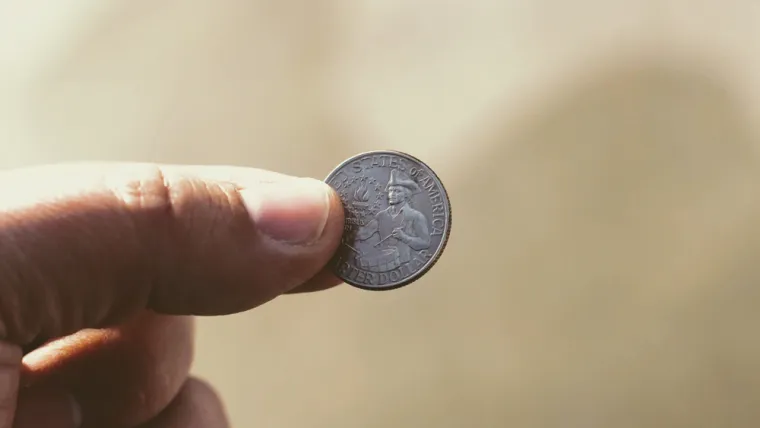
When faced with a choice and limited time, some people turn to a coin flip to decide fast. It might sound simple, but relying on heads or tails can bring a surprising level of clarity. But is flipping a coin really the best way to make decisions quickly? Let’s dive into the psychology behind coin flips and explore why so many people use this method for their decisions.
Why Do People Choose to Flip a Coin for Decisions?
The appeal of a coin flip lies in its simplicity. Coin flips provide an unbiased outcome that’s completely left up to chance, which can be comforting when you want a quick decision. Instead of debating over two options, a coin flip helps settle the matter within seconds.
What Are the Psychological Benefits of a Coin Flip?
Flipping a coin can take the pressure off decision-making. Research shows that people who use shortcuts in their choices experience less stress and are often happier with their decisions. When we trust the outcome to chance, we reduce the anxiety that often comes with overthinking.
Can a Coin Flip Reveal What We Really Want?
Believe it or not, flipping a coin can sometimes reveal our hidden preferences. When you assign each option to heads or tails, the outcome can prompt a reaction, giving insight into what you might have truly wanted all along. For example, if the coin lands on heads and you feel a pang of disappointment, it could mean you had a hidden preference for the tails option.
Using Coin Flips for Self-Reflection
This reaction shows that a coin flip isn’t just about the decision. It’s about understanding your preferences better. By observing your own response, you can gain clarity on what feels right, even if you weren’t initially aware of it.
When Does a Coin Flip Work Best for Decision-Making?
Flipping a coin works especially well when you’re deciding between two equally appealing options. Here are a few scenarios where people commonly use a coin flip:
- Choosing between two similar job offers
- Deciding on a weekend activity
- Picking a restaurant when no one can decide
- Deciding the winner of a game or contest
Why Use a Coin Flip in These Situations?
For decisions that don’t have a “right” or “wrong” answer, a coin flip is a practical way to resolve uncertainty. It frees you from the need to analyze every detail, making the choice both efficient and satisfying.
Does Flipping a Coin Create Bias in Decision-Making?
Interestingly, some people worry that flipping a coin introduces bias. However, this decision-making method is widely considered unbiased and fair because both outcomes are equally likely. The key is accepting whichever side the coin lands on without trying to influence the toss.
Why Trusting the Outcome Matters
If you fully trust the result, you’re more likely to feel content with the decision. Attempting to “redo” a coin flip, however, suggests a level of doubt that the process is meant to avoid. By embracing the outcome, you give yourself permission to move forward confidently.
How Has Technology Impacted Coin Flips for Decisions?
Technology has made coin flips even more accessible. Online platforms like Flip Coin and flipcoinonline allow people to make fast, random decisions without needing a physical coin. This online option provides added convenience, particularly when you’re in a situation where you don’t have a coin at hand.
The Rise of Virtual Coin Flips
Virtual coin flips have become a popular way to decide, especially in digital spaces where physical items might not be available. For many, the quick, reliable result helps keep decision-making simple and stress-free.
Are There Downsides to Using a Coin Flip for Important Decisions?
While a coin flip can be a fun and efficient way to decide, it may not always suit life’s bigger decisions. Important choices that require careful consideration, like career moves or relationship matters, might benefit more from a thoughtful approach than from leaving it up to chance.
When to Rethink the Coin Flip Approach
It’s best to use a coin flip for decisions that won’t have long-term effects or irreversible consequences. For those situations where you want more control over the outcome, considering all factors might lead to a better decision.
What Are the Benefits of Coin Flips Beyond Decision-Making?
Beyond simply helping you decide, coin flips can help build decision-making confidence. By reducing mental clutter, they allow you to practice quick choices. This can be a useful skill in today’s fast-paced world, where decision fatigue can easily set in.
Boosting Confidence Through Quick Decisions
Frequent use of coin flips encourages you to embrace outcomes without overthinking. Over time, this can foster confidence in your ability to make fast, satisfying choices.
Are There Better Alternatives to Flipping a Coin?
For those who prefer a more in-depth approach, alternatives like pros-and-cons lists or consulting friends may provide more insights. Each method offers its own advantages, so it depends on how much information you want before making your choice.
Comparing Alternatives to the Coin Flip
While a coin flip might give you a fast answer, a pros-and-cons list lets you consider each factor in detail. Talking with others can also provide perspective that a coin flip cannot. In the end, choosing a method depends on the decision’s complexity and personal preferences.
Final Thoughts on Flipping a Coin for Decisions
Flipping a coin can be a surprisingly effective tool for making fast choices. Whether you’re using a physical coin or an online platform like Flip Coin, the method offers a fair and simple way to settle between two options. While it might not be ideal for all decisions, its simplicity and speed make it a helpful tool when you need an answer quickly.
Coin flips continue to be popular because they satisfy a basic human need for simplicity in choices. The next time you’re facing an indecisive moment, consider a coin flip as a way to bring clarity and confidence to your choice.