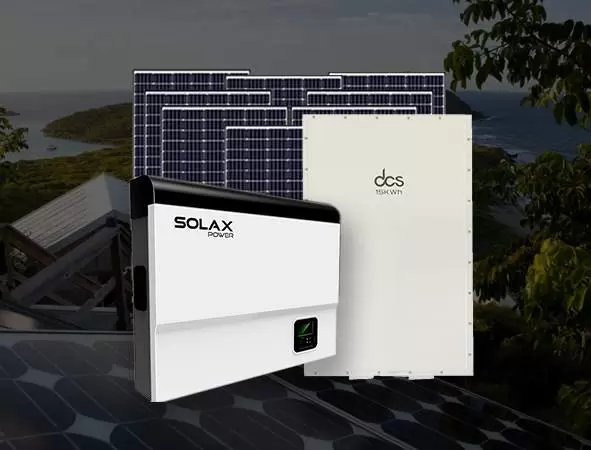
Solar energy is an increasingly popular solution for sustainable power. By integrating solar power with other energy sources, hybrid systems enhance energy security and reduce dependence on traditional fuels. These systems are designed to provide a consistent electricity supply even when solar generation is low, making them a reliable choice. Additionally, hybrid solar energy setups offer optimised energy use and potential cost savings, making them an attractive option for residential and commercial applications.
Grasping the Concept of Hybrid Solar
Hybrid solar systems significantly advance energy technology, integrating solar energy with other power sources like batteries or grid power. This integration ensures that energy production continues even when solar generation is insufficient, especially during cloudy weather or nighttime.
The adaptability of hybrid systems is one of their most significant advantages, offering the flexibility to match energy consumption needs. For example, when solar energy is abundant, the system can rely solely on it, while excess energy is stored in batteries or fed into the grid. When solar output is low, the system switches to the stored energy or grid power, ensuring continuous supply.
This dual approach reduces dependency on traditional fossil-fuel-based electricity and promotes greater energy independence. Hybrid solar systems are a highly effective solution to meet the varying power demands of homes, businesses, and industries by optimising energy usage and harnessing multiple energy sources.
Crucial Elements of a Hybrid Solar Power
A successful hybrid solar power comprises four key components: solar panels, inverters, batteries, and controllers. Each plays a critical role in ensuring the system operates effectively and efficiently. Solar panels are the starting point, capturing sunlight and converting it into direct current (DC) electricity.
Inverters then convert this DC into alternating current (AC) for use in household appliances. Batteries are an essential part of the system, storing excess energy generated during the day for use at night or during cloudy days. Finally, controllers regulate the flow of electricity, ensuring proper distribution between solar panels, batteries, and the grid.
Controllers also manage battery charging to prevent overcharging or deep discharging, extending their lifespan and improving system reliability. All these components must be carefully selected and installed to ensure they work together seamlessly, optimising the performance and longevity of the hybrid solar system.
Solar Panels: The Core of Hybrid Energy Systems
Solar panels are at the heart of every solar power system; they capture sunlight and convert it into usable energy. There are different types of solar panels, including monocrystalline, polycrystalline, and thin-film panels, each with unique efficiency, cost, and durability characteristics.
Monocrystalline panels are known for their high efficiency and longevity, making them ideal for limited spaces or locations with less sunlight. Polycrystalline panels, while slightly less efficient, are more affordable and still provide good energy output. Thin-film panels are lightweight and flexible, though they have lower efficiency than the other two types.
The choice of panel type plays a significant role in the system’s overall energy output. Additionally, factors such as panel orientation, tilt, and exposure to sunlight must be considered during installation to ensure maximum efficiency. Proper maintenance, such as cleaning and checking for damage, is essential for optimising panel performance.
Inverters: Transforming Energy with Efficiency
Inverters are crucial to the functionality of hybrid solar systems as they convert the direct current (DC) electricity generated by the solar panels into alternating current (AC) electricity used by most household appliances. The type of inverter selected impacts the system’s efficiency and reliability.
There are two main types of inverters: string inverters and microinverters. String inverters are typically used in large systems, simultaneously converting the power from multiple panels. At the same time, microinverters are attached to each panel individually, providing greater flexibility and increased energy conversion efficiency.
Choosing the right inverter is essential for ensuring that the system can handle the power demands of a home or business. Features like monitoring capabilities and smart grid integration also enhance system performance, allowing users to track their energy consumption and optimise usage. Proper installation and ongoing maintenance of inverters are necessary to ensure long-term functionality.
Energy Storage: Batteries in Combined Systems
Energy storage plays a crucial role in ensuring the effectiveness of solar energy systems. By storing excess energy generated during the day, batteries provide power during periods of low solar generation, such as nighttime or cloudy days. Here’s a breakdown of common battery types used in these systems:
Lead-Acid Batteries
Lead-acid batteries are a traditional option known for their affordability. However, they come with limitations like a shorter lifespan and lower efficiency than other battery types. Despite these drawbacks, they remain a popular choice for smaller-scale systems.
Lithium-Ion Batteries
Lithium-ion batteries are highly efficient, offering a longer lifespan and better energy storage capacity in a compact size. They are ideal for systems with high energy demands and are increasingly preferred for hybrid solar setups.
Flow Batteries
Although less common, flow batteries excel in long-duration energy storage and scalability. They are well-suited for larger applications with a consistent energy supply over extended periods.
Choosing the Right Battery
Selecting the appropriate battery depends on several factors, such as the energy demand, climate, and budget. Lithium-ion batteries may be the best option in regions with high energy consumption or limited space. Flow batteries might be more suitable for large-scale applications requiring long-term storage.
Proper maintenance of the chosen battery type is essential to ensure maximum efficiency and extend its lifespan, ensuring the longevity and reliability of the solar energy system.
Variations of Solar Hybrid Power Systems
Hybrid solar systems are designed with various configurations to suit different energy needs, making them adaptable to multiple environments. The most common configuration involves solar energy paired with batteries or grid power, but hybrid systems can also integrate renewable energy sources like wind and biomass to provide additional versatility.
Depending on the specific needs of a property or business, users can choose from multiple configurations that prioritise solar energy, battery storage, or a combination of both. Solar panels are the primary energy source in some setups, with a backup battery storage system to ensure reliability. In other setups, wind turbines or biomass sources supplement the solar system, creating a more robust and diverse energy supply.
When selecting the most appropriate system, factors such as geographic location, average energy consumption, available space for installation, and the budget must be considered. These variables ensure that the Solar Hybrid Power Systems delivers optimal performance and reliability.
Controllers: Regulating Power Distribution
Controllers in a hybrid solar system play a vital role in managing the flow of electricity from the solar panels to the batteries and grid. These devices prevent overcharging and discharging of the batteries, which could otherwise damage the system and reduce its lifespan.
Controllers also balance the energy distribution to ensure that excess energy is stored in the batteries or fed into the grid while maintaining an adequate supply to meet household or business energy needs. Advanced controllers include programmable settings, real-time monitoring, and the ability to interact with smart grids. These features allow users to optimise energy usage and increase the system’s efficiency.
To ensure smooth operation, controllers must be compatible with all other components, including solar panels, batteries, and inverters. Regular software updates and proper configuration can improve the system’s overall functionality, making controllers essential to maintaining a reliable and efficient solar energy setup.
Installation Factors for Hybrid Solar Power System
Several important factors must be considered when planning a hybrid solar system installation to ensure optimal performance and efficiency.
Sunlight Exposure and Location
One key element to consider is the installation’s location. The system should be placed in an area with plenty of sunlight throughout the day. Shading from nearby trees or buildings can greatly impact the performance of solar panels. If shading is unavoidable, a more strategic placement or advanced technologies like microinverters may be necessary to maximise energy production.
Space Requirements
Another critical factor is the available space for installation. Depending on the type and size of the Hybrid Solar Power System, additional space may be required for components like batteries, inverters, and charge controllers. A more compact system design may be necessary in areas with limited space.
Regulatory Considerations
Local regulations and zoning laws can affect the installation process. These regulations may dictate the system’s maximum size, installation methods, or the need for permits. It is important to consult with local authorities and ensure compliance before proceeding.
Professional Installation
Choosing an experienced professional installation team is essential. A skilled team will ensure that the hybrid system is properly installed and configured, considering all technical and regulatory considerations. This can help avoid costly mistakes and ensure the system operates efficiently for years.
Maintenance of Hybrid Solar Power Systems for Durability and Efficiency
Maintaining a solar energy system is crucial for ensuring its long-term reliability and optimal performance. Regular maintenance involves inspecting each component, including solar panels, inverters, batteries, and controllers. Solar panels should be cleaned periodically to remove dust and debris that can reduce their efficiency.
Inverters should be checked for any signs of malfunction or wear, and battery charge levels should be monitored to ensure they function within optimal parameters. It is also important to check for system errors or inefficiencies, which could be detected through real-time monitoring software.
Professional inspections should be scheduled at least once a year to ensure the system is operating at peak efficiency. In addition to routine maintenance, staying informed about technological advancements and upgrades can help enhance the system’s performance. Proper care and attention will extend the lifespan of the Hybrid Solar Power Systems and ensure it continues to provide reliable, sustainable energy for years to come.
Future Directions in Hybrid Solar Power Plant
The future of solar energy looks bright, with ongoing advancements poised to make these systems even more efficient and accessible. Innovations in battery technology and smart grid integration are expected to enhance storage capabilities and energy management.
Emerging trends include the development of higher-efficiency Hybrid Solar Power Plantand automated control systems, which will streamline operations and maintenance. Research into alternative renewable sources like wind and biomass could further diversify hybrid systems. These technological strides are set to expand the adoption of hybrid solar, making it an even more viable and sustainable energy solution for many applications.
Conclusion
Solar energy systems offer a sustainable and efficient solution for residential and commercial energy needs. These systems provide enhanced reliability, energy independence, and long-term savings by combining solar power with energy storage and backup sources like batteries or grid power. The key components—solar panels, inverters, batteries, and controllers—work together to optimise energy capture, conversion, and distribution. With proper installation and maintenance, hybrid solar setups can reduce reliance on conventional power sources while offering financial and environmental benefits. As technology continues to evolve, hybrid solar energy will play an even greater role in shaping the future of renewable energy.
FAQ’s
What is a hybrid solar energy system?
A hybrid solar energy system integrates solar power with additional energy sources like batteries or the grid to provide a consistent electricity supply. It ensures reliability even when solar energy generation is low, making it ideal for maintaining power availability.
How does a hybrid solar system work?
Hybrid systems use solar panels to capture sunlight, inverters to convert DC power into AC power, batteries to store excess energy, and controllers to manage the flow of electricity. These components work together to ensure a reliable and efficient energy supply, even in low-sunlight conditions.
What are the benefits of hybrid solar systems?
Hybrid solar systems offer increased energy independence, lower energy bills, and the ability to generate income by feeding surplus energy back into the grid. They also provide environmental benefits by reducing reliance on fossil fuels and decreasing carbon footprints.
How much does solar energy system cost?
The initial cost of installing a hybrid solar system can be higher than that of a traditional one, mainly due to the inclusion of batteries and advanced components. However, the long-term savings from reduced electricity bills and available tax incentives make it a cost-effective investment.
How long do hybrid solar systems last?
With proper maintenance, hybrid solar systems can last 25 years or more. Solar panels generally have a 25-30-year lifespan, while batteries may need to be replaced every 5-15 years, depending on the type and usage. Regular maintenance ensures maximum longevity and efficiency.
| Related Business Listings |
| Contact Directory |
| Local Business Profiles |