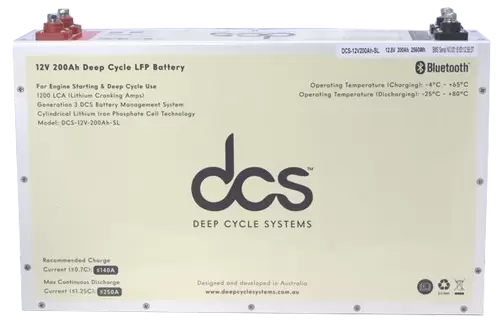
As the automotive industry continues to evolve, the demand for efficient and reliable energy solutions has remained the same. Among the cutting-edge technologies leading this transformation are lithium-cranking batteries. These powerful units enhance vehicle performance and provide a sustainable alternative to traditional lead-acid batteries. In this blog post, we will explore the ins and outs of lithium cranking batteries, including their benefits, differences from other battery types, and more.
Understanding Lithium-Cranking Batteries
Lithium-cranking batteries are engineered to deliver high bursts of power, making them perfect for engine starting. Utilising lithium-ion technology, these batteries can supply more energy rapidly compared to traditional lead-acid batteries, ensuring quicker engine starts and better performance. This technological edge is particularly appealing to automotive enthusiasts and those needing dependable vehicle power sources.
One of the key features of lithium-cranking batteries is their high energy density, which allows for a more compact and lightweight design. This can contribute to a vehicle’s overall efficiency by reducing weight and freeing up valuable space. These batteries are notable for their resilience to extreme temperatures, maintaining performance in both hot and cold environments.
The low self-discharge rate of lithium-cranking batteries also ensures they retain their charge for extended periods, making them highly suitable for vehicles that are not used regularly. Another critical aspect is the advanced battery management systems (BMS) integrated into these units. The BMS continuously monitors parameters like voltage, current, and temperature, optimising performance and enhancing safety. This makes lithium-cranking batteries not only powerful but also reliable for modern automotive needs.
Benefits of Using Lithium-Cranking Batteries
Lithium-cranking batteries offer several advantages, making them a superior choice for vehicles and machinery requiring reliable starting power. One of the primary benefits is their lightweight design. Lithium-cranking batteries weigh significantly less than traditional lead-acid batteries, improving fuel efficiency and reducing strain on the vehicle’s overall performance. Another key benefit is their high energy density.
Lithium-cranking batteries provide more power in a compact size, delivering solid bursts of energy needed to start engines quickly and efficiently. This makes them especially useful for vehicles that require high-cranking amps in cold weather or demanding conditions. Another significant advantage of lithium-cranking batteries is their longer lifespan. These batteries can last up to five times longer than conventional lead-acid batteries, reducing the need for frequent replacements and lowering long-term costs.
They are also more resistant to deep discharges, which helps maintain performance over time. Lithium-cranking batteries have a faster recharge rate. This means they can recover from discharge quickly, making them ideal for vehicles that experience frequent starts and stops. They offer enhanced safety features, such as built-in protection against overcharging, overheating, and short circuits. This ensures more reliable and stable operation, making lithium-cranking batteries a durable and cost-effective solution for modern vehicles and equipment.
Differences between Lithium-Cranking and Lithium-Starter Batteries
While both types leverage lithium technology, they cater to distinct automotive needs. Lithium-cranking batteries are designed for high discharge scenarios, delivering immediate and powerful bursts of energy crucial for starting engines. This capability makes them ideal for vehicles requiring a quick, reliable start every time the ignition is turned. Conversely, lithium-starter batteries are tailored for applications demanding continuous, steady power.
They excel in supporting auxiliary systems and deep-cycle demands, providing consistent energy over extended periods. This makes them suitable for vehicles with multiple electrical systems or those used in motorsport environments where sustained power is critical. Another significant difference lies in their construction and design focus. Lithium-cranking batteries are built to handle the high current draws associated with engine starting, featuring robust internal components to manage these intense bursts.
In contrast, lithium-starter batteries often incorporate designs that prioritise longevity and the ability to endure repeated deep discharges without compromising performance. Selecting the right battery type hinges on understanding your vehicle’s specific requirements. A lithium-cranking battery is the optimal choice if your primary need is a reliable engine starting. However, a lithium-starter battery would be more appropriate for applications requiring sustained power delivery, ensuring both reliability and efficiency for your automotive needs.
Understanding 12 Volt Lithium Battery Technology
Understanding 12-volt lithium battery technology is crucial for those seeking efficient and reliable power solutions. A 12-volt lithium battery stands out due to its higher energy density, making it more compact and lightweight than traditional lead-acid batteries. This feature is especially beneficial for applications such as solar power systems, boats, and recreational vehicles, where space and weight are key concerns.
One significant advantage of a 12 volt lithium battery is its longer lifespan. These batteries can last up to five times longer than conventional batteries, reducing the frequency of replacements and providing a better return on investment. Additionally, their high charge efficiency ensures they recharge quickly and maintain a stable charge, even during long periods of inactivity.
Another important aspect is the battery’s built-in safety features. Lithium batteries are designed with protection mechanisms to prevent overcharging, overheating, and short circuits, ensuring a safe and reliable power source for various applications. Lithium batteries also have environmental benefits. They are more eco-friendly than lead-acid batteries, contain fewer toxic materials, and require less maintenance.
Installation and Maintenance of Lithium-Cranking Batteries
Lithium-cranking batteries are an excellent choice for powering vehicles, offering superior performance, longer life, and lightweight convenience. Proper installation and maintenance are essential to maximise their potential. Here are some tips to ensure you get the best out of your lithium-cranking batteries:
Choose the Right Battery
Before installation, ensure the lithium-cranking battery matches your vehicle’s power requirements. Check the cranking amps and voltage to prevent overloading or under-powering your system.
Secure the Battery Properly
Lithium-cranking batteries should be installed in a stable and secure position to avoid movement or damage during operation. The appropriate mounting hardware keeps the battery in place, reducing the risk of vibration that could lead to short circuits or performance issues.
Connect Cables Correctly
Ensure proper polarity when connecting the cables. Incorrect connections can lead to battery failure or damage. Always double-check that the positive and negative terminals are connected correctly to avoid costly mistakes.
Keep the Battery Clean
Clean the battery terminals regularly to prevent corrosion. Use a damp cloth to wipe off dust or grime. Corroded terminals can cause poor connections, reducing the battery’s performance.
Monitor Charge Levels
Lithium-cranking batteries hold a charge for extended periods, but it’s crucial to monitor voltage levels regularly. Avoid letting the battery discharge completely, as it may shorten its lifespan. Charge it promptly when needed to maintain optimal performance.
Environmental Impact of Lithium-Cranking Batteries
As we become more conscious of our environmental responsibilities, lithium-cranking batteries present a more eco-friendly option. Lithium-cranking batteries are often constructed from more sustainable materials, unlike traditional lead-acid batteries, reducing their environmental footprint. One of the vital ecological benefits is their exceptional lifespan. By lasting significantly longer, these batteries decrease the frequency of replacements, reducing the environmental impact of battery manufacturing and disposal.
Lithium-cranking batteries are fully recyclable. At the end of their service life, these batteries can be processed and their materials repurposed, minimising waste and supporting circular economy principles. This recycling capability helps mitigate the ecological damage associated with the extraction and processing of raw materials.
Moreover, lithium-cranking batteries’ reduced weight and increased efficiency indirectly contribute to lower vehicle emissions. A lighter vehicle consumes less fuel, thereby decreasing the release of greenhouse gases into the atmosphere. Their resilience to extreme temperatures also means fewer batteries must be discarded due to temperature-related failures, further lowering environmental harm.
Common Myths and Misconceptions about Lithium-Cranking Batteries
Despite their numerous advantages, several myths and misconceptions persist about lithium-ranking batteries. A prevalent belief is that they are prohibitively expensive for the average consumer. Although the initial cost may be higher than traditional lead-acid batteries, the long-term savings due to their extended lifespan and superior performance often justify the investment.
Another common misconception is that lithium-cranking batteries are prone to failure or pose safety risks. However, reputable manufacturers integrate advanced safety features such as overheat protection and short-circuit prevention, making them reliable and secure.
Some users also worry that lithium-cranking batteries are unsuitable for extreme weather conditions, yet these batteries are specifically designed to perform well in hot and cold environments. There is also a misconception that these batteries are difficult to maintain but require far less upkeep than their lead-acid counterparts. Some believe switching to lithium-cranking batteries involves complex modifications to the vehicle’s electrical system when most are designed to be direct replacements for standard 12-volt batteries.
Lithium Starter Batteries: Revolutionising Vehicle Performance
Lithium-starter batteries are gaining traction as automotive technology advances, especially in performance vehicles and motorsport. Lithium-starter batteries provide continuous, steady power, unlike lithium-cranking batteries, which are tailored to deliver high bursts of power for engine starts. This characteristic makes them ideal for vehicles with numerous auxiliary systems, and those used in demanding motorsport environments where sustained energy delivery is critical.
One of the standout features of lithium-starter batteries is their lightweight design. Reducing a vehicle’s overall weight can significantly enhance its power-to-weight ratio, a crucial factor in performance and efficiency. This benefit is precious in racing, where every gram counts. Lithium starter batteries also offer excellent resilience to repeated deep discharges, maintaining their performance over extended periods.
This reliability ensures that high-performance vehicles can consistently operate at their peak, regardless of the demands placed on the battery. The advanced battery management systems (BMS) integrated into these units continuously monitor and optimise voltage, current, and temperature parameters. This technology enhances performance and ensures safety, reducing the risks associated with battery misuse or failure.
Conclusion
Lithium-cranking batteries significantly advance automotive energy solutions, offering enhanced performance, longevity, and environmental benefits. Their high energy density, resilience to extreme temperatures, and minimal maintenance needs make them an attractive option for modern vehicles. Whether you need quick engine starts or a reliable power source for auxiliary systems, these batteries deliver exceptional reliability and efficiency, driving the automotive industry towards a more sustainable future.
FAQs
What are lithium-cranking batteries?
Lithium-cranking batteries are specialised units designed to deliver the high bursts of power necessary to start engines. They provide an efficient and reliable alternative to traditional lead-acid batteries.
How long do lithium-cranking batteries last?
These batteries typically offer a much longer lifespan than conventional lead-acid batteries, often enduring up to ten times longer, depending on usage patterns and maintenance practices.
Are lithium cranking batteries safe?
Lithium cranking batteries are equipped with advanced safety features, such as overheat protection and short-circuit prevention, ensuring they operate reliably and securely.
Can I replace my lead-acid battery with a lithium-cranking battery?
Absolutely, but it’s essential to verify that your vehicle’s charging system is compatible with lithium technology and to follow the manufacturer’s installation guidelines closely to avoid any issues.
Do lithium-cranking batteries require maintenance?
While they require considerably less maintenance than lead-acid batteries, it is still advisable to periodically inspect the battery for loose connections and signs of corrosion and check its overall health.
Are lithium-cranking batteries environmentally friendly?
Yes, they are considered more environmentally friendly due to their longer lifespan and recyclability, which reduces the frequency of replacements and the environmental impact associated with battery disposal.
| Related Business Listings |
| Contact Directory |
| Local Business Profiles |