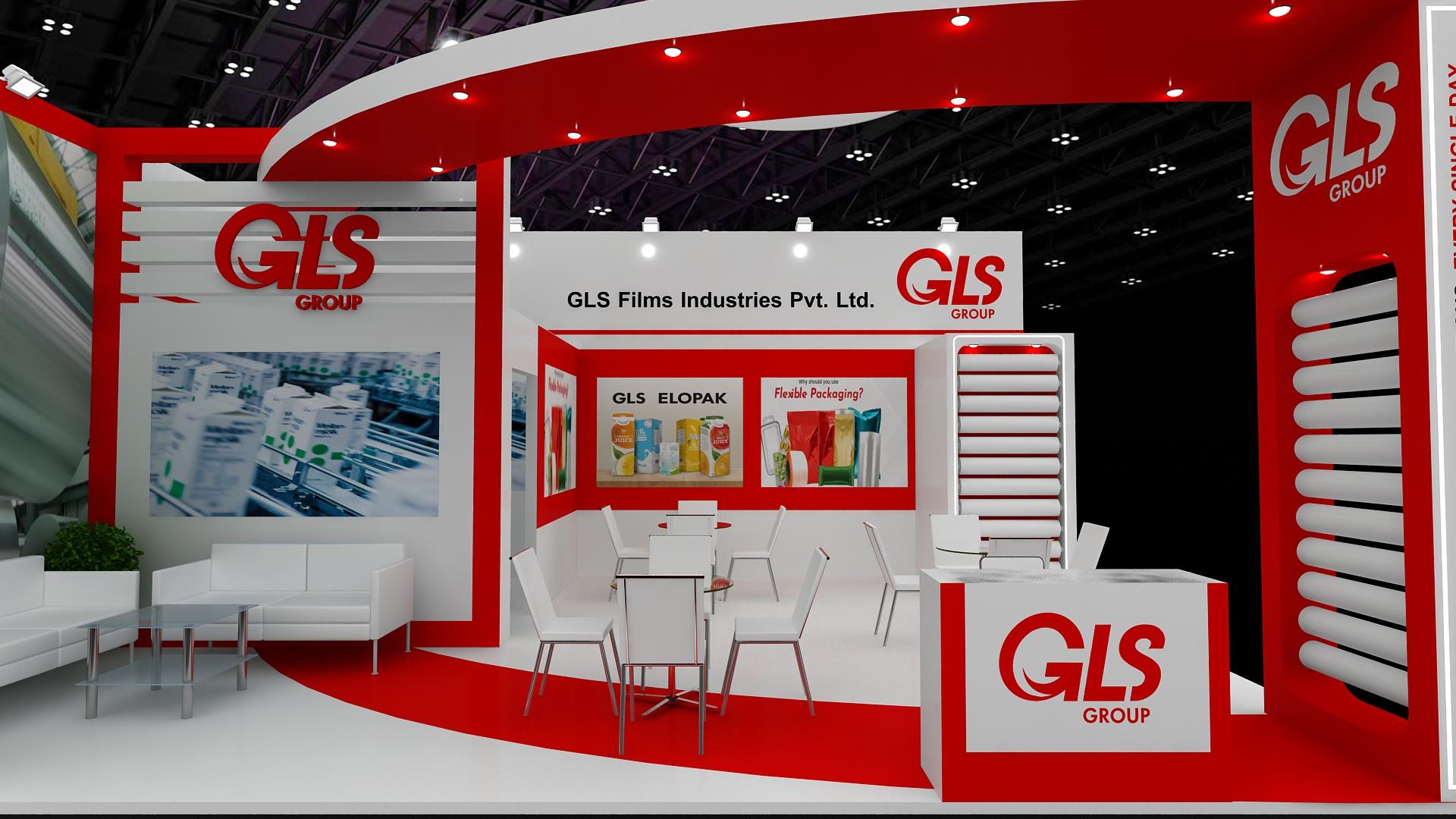
Exhibition stands are crucial for businesses participating in trade shows, expos, and conventions. Whether you’re a first-time exhibitor or a seasoned pro, the design and construction of your exhibition stand can significantly influence your brand’s visibility and success. This article explores the essential elements of exhibition stand construction, covering design, logistics, and budgeting to ensure your booth is both attractive and functional. For businesses looking for expert assistance, working with an exhibition stand builder in Germany can provide specialized insights into creating an impactful booth.
1. The Role of Exhibition Stands at Trade Shows:
Trade shows provide a prime opportunity for businesses to showcase their products, network with potential clients, and build brand recognition. A well-designed stand is a magnet for visitors and offers an interactive experience that engages your target audience. Whether you’re working with a small booth or a large multi-level display, your exhibition stand should embody your brand’s message while creating a welcoming and engaging space for visitors.
2. The Design Process: Creating a Stand That Stands Out
The design phase is foundational to creating a successful exhibition stand. It’s not just about aesthetics but about crafting a space that communicates your brand’s story effectively.
- Brand Representation: The design should immediately communicate your company’s identity. This entails choosing graphics, typefaces, and colors that complement your brand. Proper placement of branding materials is key to making a lasting impact on visitors.
- Space Planning: A functional layout is essential. The stand should facilitate smooth traffic flow, with clear divisions for product displays, demonstrations, and meeting areas. Interactive features such as product showcases or digital displays should be integrated into the design to enhance engagement.
- Lighting: Lighting plays a critical role in exhibition stand design. It can draw attention to specific products, create ambiance, and highlight key elements of your display. Combining ambient, task, and accent lighting can create a dynamic atmosphere.
- Technology Integration: In today’s digital era, integrating technology is essential for a standout booth. Interactive displays, virtual reality, and digital product demos can elevate the visitor experience. Technology should enhance your messaging and product demonstrations rather than serving as a mere novelty.
3. Choosing Materials and Emphasizing Sustainability:
Once the design is in place, selecting the right materials for your stand is crucial. The materials should be durable, lightweight, and capable of withstanding the demands of a busy exhibition.
- Wood and Metal: Traditional exhibition stands often use wood and metal, which are versatile and can be easily customized. Metal frameworks offer stability, while wooden panels or flooring lend a polished, professional appearance.
- Fabric and Modular Displays: For a more modern approach, fabric-based structures and modular displays are flexible and lightweight, providing an economical option without compromising on design.
- Eco-friendly Materials: Sustainability is an increasing priority in the event industry. Recycled plastics, biodegradable fabrics, and sustainably sourced wood are gaining popularity. These materials not only reduce environmental impact but also communicate your commitment to sustainability.
4. Budgeting for Your Exhibition Stand:
Effective budgeting is key to a successful exhibition. The costs of building a stand can vary widely based on its size, design complexity, and the materials chosen. To maximize your investment, consider these costs:
- Design Costs: This phase typically involves expenses for concept development, graphic design, and 3D renderings. Some designers offer bundled packages, while others charge for each service separately.
- Construction Costs: This includes the actual building of your stand, covering materials, labor, and assembly time. Modular stands can be more cost-effective but may not offer the customization of bespoke designs.
- Logistics and Setup: Transportation and on-site assembly also need to be factored into your budget. This includes shipping the materials to the venue, assembling the stand, and disassembling it after the event. Larger stands may require specialized labor for setup.
- Additional Expenses: Don’t overlook other costs like promotional materials, furniture, electrical services, and any advanced technology you may wish to incorporate.
5. Logistics: Ensuring a Seamless Setup and Takedown
Efficient logistics are critical to the timely construction, installation, and dismantling of your stand.
- Planning Ahead: Early planning is essential for a successful exhibition. Ensure designs, materials, and technology are finalized well before the event. Develop a detailed timeline outlining the construction, delivery, setup, and takedown processes.
- Transportation and Delivery: The stand’s components must be delivered to the venue safely. Larger displays may require shipping containers, while smaller setups might only need a delivery truck. Ensure that the logistics team can handle your exhibition materials to prevent delays.
- On-Site Assembly: A professional team will manage the setup of your stand at the event. Installation can take several hours depending on complexity, so ensure your team is prepared for a quick and efficient setup.
- Dismantling: After the event concludes, dismantling can take as long as setting up. Coordinate with event organizers to ensure your stand is taken down promptly, and all materials are safely packed for transport.
6. Health and Safety Considerations:
Health and safety are top priorities during exhibition stand construction. Whether handling large materials or setting up high-tech installations, it’s important to ensure the safety of both staff and visitors.
- Compliance with Regulations: Every venue will have specific health and safety regulations that need to be followed. Review these requirements carefully, ensuring compliance with safety codes regarding fire hazards, electrical setups, and structural stability.
- Risk Assessment: Conduct a thorough risk assessment prior to construction to identify any potential hazards. Sharp edges, exposed wires, or unstable structures can pose a threat. These risks should be addressed in the design and construction phases.
- Sustainable Practices: Incorporating sustainable practices can also contribute to a safer environment. Using non-toxic materials, reducing waste, and following eco-friendly guidelines can help minimize risks and demonstrate environmental responsibility.
7. Post-Event Evaluation: Measuring Success
After the exhibition, it’s essential to evaluate the effectiveness of your exhibition stand. Key metrics to track include:
- Visitor Engagement: Monitor how many visitors interacted with your stand and which aspects attracted the most attention. Metrics such as social media activity, lead generation, and survey responses can provide valuable insights into your stand’s performance.
- Brand Impact: Reflect on how well your stand communicated your brand’s message. Did it align with your company’s values? Was your messaging clear and consistent? Assess the overall impact your stand had on attendees’ perceptions of your brand.
- Return on Investment (ROI): To calculate ROI, compare the total cost of constructing and exhibiting the stand with the leads generated, sales achieved, or brand visibility gained.
Conclusion:
Exhibition stand construction is a multifaceted process that blends creativity with practical considerations. From the initial design phase to the final takedown, each step is integral to ensuring a successful exhibition experience. By focusing on effective design, selecting the right materials, sticking to a budget, and carefully planning logistics, you can create a booth that not only draws attention but also helps achieve your business objectives. Whether you’re new to trade shows or have years of experience, a well-executed exhibition stand can make all the difference in successfully promoting your brand. For businesses in the area, opting for exhibition stand construction in Berlin offers local expertise in crafting standout displays.