
When it comes to replacing missing teeth, dental implants have become one of the most effective and long-lasting solutions available today. However, not all implants are the same. With advancements in technology and technique, patients now have more choices than ever before—including Mini Implants, All-on-4 Implants, and the innovative Root‑Analogue Implants.
But which one is right for you?
In this blog, we’ll explore these three popular implant types, their pros and cons, and how working with a trusted dental and implant centre and a professional dental hygienist can make all the difference in your outcome.
Understanding the Basics of Dental Implants
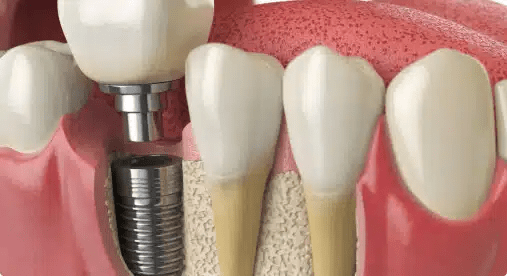
Dental implants act as artificial roots that support crowns, bridges, or dentures. They are designed to look and function like natural teeth. The key advantage of implants is that they preserve jawbone health and offer excellent durability compared to traditional removable dentures or bridges.
Whether you’re missing one tooth or several, implants are often considered the gold standard in restorative dentistry. However, your overall oral health, bone structure, and personal goals play an essential role in determining which type of implant is right for you.
That’s where proper evaluation at a Wimbledon dental and implant centre and regular care from a dental hygienist come in.
What Are Mini Dental Implants?
Mini Implants are a smaller version of traditional implants. They’re about half the diameter of standard implants and are typically used when there is limited bone density or space available.
Benefits of Mini Implants:
- Less invasive: Placement usually requires minimal surgery.
- Faster healing: Often done in a single appointment.
- Cost-effective: More affordable than traditional implants.
- Useful for stabilising dentures: Commonly used to secure lower dentures.
Limitations:
- Not suitable for areas with heavy bite force.
- Less stable over the long term compared to standard implants.
- Not ideal for replacing multiple or large teeth.
Who Should Consider Mini Implants?
Mini implants are best for patients with smaller gaps or those seeking denture stabilisation. They’re also an option for people who may not be candidates for full-size implants due to limited bone mass.
What Is the All-on-4 Treatment?
The All-on-4 dental implant solution involves placing four implants into the jaw, which support a full arch of prosthetic teeth. This technique is ideal for people who have lost most or all of their teeth in one jaw.
Benefits of All-on-4:
- Fewer implants required: Just four implants support an entire arch.
- Quick results: Often completed in one day, hence the nickname “Teeth in a Day”.
- Stable and long-lasting: Offers excellent chewing function and aesthetics.
- Avoids bone grafting in many cases: Special implant angulation helps use available bone.
Considerations:
- May not be suitable for those with severe bone loss.
- Smoking or uncontrolled diabetes can affect healing.
- Requires regular hygiene visits to maintain health and function.
Is It Right for You?
If you are missing most of your upper or lower teeth and want a fixed, non-removable solution, All-on-4 may be ideal. However, choosing a reputable dental and implant centre is key to ensuring success.
What Are Root‑Analogue Implants?
Root‑analogue implants are a newer form of implant technology that precisely replicates the shape and size of your natural tooth root. These implants are custom-made using 3D imaging and are often placed immediately after tooth extraction.
Why Patients Are Choosing Root‑Analogue Implants:
- Perfect fit: Because they mimic the exact root shape, integration with bone is more natural.
- Minimal bone loss: They help preserve the original bone structure.
- Highly aesthetic: Especially beneficial for front teeth, where appearance matters most.
- Faster recovery: Immediate placement can reduce treatment time and promote quicker healing.
Challenges:
- Not suitable for every case, particularly when there is infection or bone damage.
- Requires advanced technology and experienced specialists.
- Availability may be limited.
Best Candidates:
Root‑analogue implants are most effective for patients needing a single tooth replacement, especially in the aesthetic zone (like front teeth). A detailed scan and consultation at a dental and implant centre can confirm your eligibility.
Comparing the Three Options
Here’s a simple comparison to help you understand the key differences:
| Feature | Mini Implants | All-on-4 | Root-Analogue |
| Surgery Type | Minimally invasive | Moderate | Custom fit |
| Recovery Time | Short | Moderate | Fast |
| Appearance | Moderate | High | Very High |
| Cost | Lower | Moderate–High | High |
| Ideal For | Small gaps/dentures | Full arches | Single front teeth |
Each option has its own place in modern dentistry, and a thorough clinical examination is needed before making a decision.
Choosing the Right Option for You
Every patient is unique, and there’s no one-size-fits-all solution. The type of implant that’s right for you depends on:
- How many teeth you need to replace.
- Your bone density and gum health.
- Your lifestyle and oral hygiene habits.
- Your long-term goals and budget.
An experienced dentist at a dental and implant centre will carry out scans, assess your needs, and guide you towards the most suitable solution. It’s also worth remembering that implants are an investment in both your smile and your health.
Hygiene and Aftercare Matter
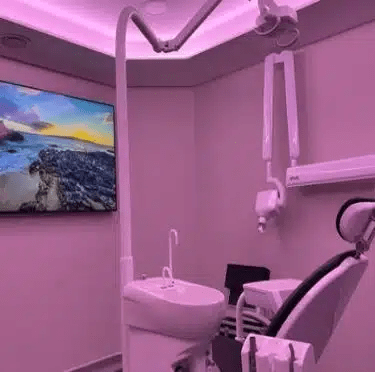
No matter which implant you choose, your long-term success will depend on how well you care for your mouth. Regular visits to a dental hygienist Wimbledon are essential for maintaining gum health, preventing infections, and ensuring your implants last as long as possible.
Aftercare includes:
- Brushing twice daily and flossing or using interdental brushes.
- Professional cleaning every 3 to 6 months.
- Avoiding tobacco products.
- Wearing a nightguard if you grind your teeth.
A dental hygienist can help you build a routine that keeps your new smile healthy and lasting.
Final Thoughts
Dental implants have revolutionised tooth replacement, offering natural aesthetics and long-term function. Whether you opt for Mini Implants, All-on-4, or Root‑Analogue Implants, the key to success lies in choosing the right treatment based on your individual needs—and committing to good oral hygiene and regular check-ups.
Working closely with a skilled dental hygienist and a trusted dental and implant centre ensures that your implant journey is smooth, safe, and successful.
At The Dental Lounges – Wimbledon, we offer all three advanced implant solutions and are committed to providing personalised, high-quality dental care in a comfortable environment. Book your consultation today to discover which implant type suits you best.