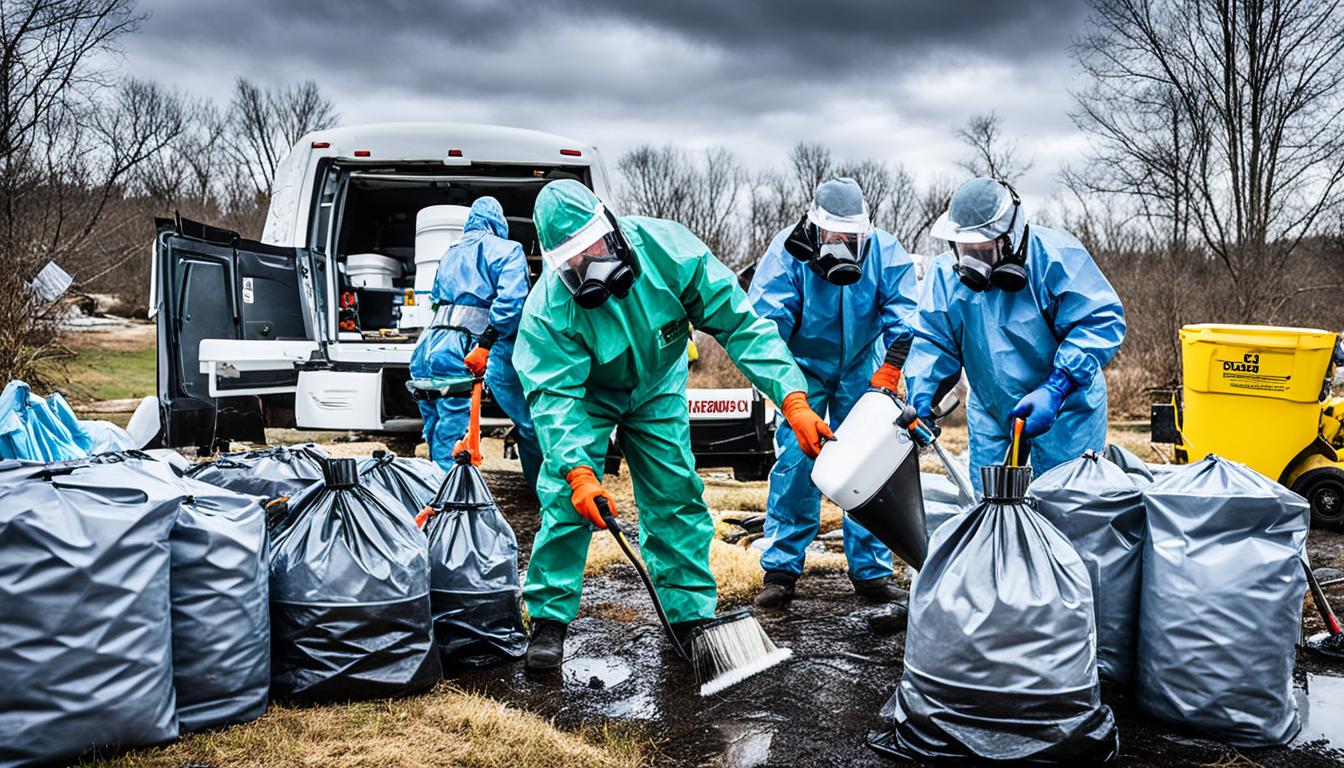
Biohazard cleanup is a critical service that demands precise knowledge, skill, and adherence to numerous legal and regulatory standards. Whether it’s the aftermath of a crime scene, an industrial accident, or a medical facility, biohazard cleanup involves managing potentially dangerous materials, chemicals, and pathogens. Understanding the legal aspects of this process is not only vital for the safety and health of those involved but also essential to ensure compliance with local, state, and federal regulations. In this comprehensive guide, we will explore the various legal considerations associated with biohazard cleanup, including liability, safety standards, and the necessary legal steps for handling hazardous materials.
Understanding Biohazard Cleanup and Its Legal Implications
Biohazard cleanup refers to the process of removing, decontaminating, and disposing of materials that are contaminated with biological substances such as blood, bodily fluids, viruses, bacteria, or pathogens. This includes but is not limited to crime scenes, trauma sites, drug labs, and infectious disease outbreaks. Given the potential health risks posed by biohazardous materials, the cleanup process must adhere to stringent legal and safety protocols.
Key Legal Risks Involved in Biohazard Cleanup
The risks involved in biohazard cleanup are numerous. Failure to follow proper legal procedures can result in serious consequences, including health hazards to workers and the public, legal liabilities, and fines. Some of the key legal risks include:
- Non-Compliance with OSHA Regulations: The Occupational Safety and Health Administration (OSHA) mandates specific protocols for workers handling biohazardous materials. Non-compliance with OSHA’s standards can lead to significant fines, lawsuits, and even shutdowns.
- Improper Disposal of Biohazardous Waste: Legal guidelines dictate how biohazardous waste should be disposed of. Mishandling or illegal disposal of materials such as contaminated sharps, medical waste, or blood-soaked clothing can result in environmental contamination and legal penalties.
- Liability for Personal Injury or Harm: If someone is injured due to improper handling or negligence during the cleanup process, the company or individuals involved could face substantial legal liabilities for personal injury claims.
- Violation of Health and Privacy Laws: In cases involving medical waste or trauma scenes, there are privacy considerations under laws such as the Health Insurance Portability and Accountability Act (HIPAA). Any breach of patient privacy or mishandling of sensitive medical information can result in severe legal consequences.
Key Legal Regulations Governing Biohazard Cleanup
To ensure compliance with legal standards, professionals engaged in biohazard cleanup must familiarize themselves with several key regulations that govern the industry. These regulations dictate how biohazard materials are handled, cleaned, and disposed of, as well as how workers must be protected during the cleanup process.
Occupational Safety and Health Administration (OSHA)
OSHA plays a central role in regulating the safety of workers involved in biohazard cleanup. The following OSHA standards are particularly relevant to biohazard cleanup:
- Bloodborne Pathogens Standard (29 CFR 1910.1030): This regulation requires employers to implement specific procedures and training programs for workers exposed to blood or other potentially infectious materials. This includes the use of personal protective equipment (PPE), proper sanitation procedures, and safe disposal methods for contaminated materials.
- Hazard Communication Standard (29 CFR 1910.1200): Under this standard, employers must inform workers about the hazards of chemicals and biohazardous materials they may encounter, through labeling, training, and Safety Data Sheets (SDS).
- General Duty Clause (Section 5(a)(1)): This clause mandates that employers provide a work environment free from recognized hazards that could cause death or serious physical harm. In biohazard cleanup, this includes ensuring the safe handling of toxic materials and reducing exposure to infectious agents.
Environmental Protection Agency (EPA) Regulations
The EPA oversees the disposal of hazardous waste and ensures that cleanup activities meet environmental standards. Relevant EPA regulations include:
- Resource Conservation and Recovery Act (RCRA): This act governs the disposal of hazardous waste, including medical and biohazardous waste. It requires proper classification of waste, documentation, and disposal at licensed facilities.
- Clean Water Act (CWA): The CWA regulates the discharge of pollutants into water sources. Biohazardous waste runoff must be prevented from contaminating public water systems.
- Toxic Substances Control Act (TSCA): The TSCA regulates the use and disposal of chemicals that pose a risk to human health or the environment. Any chemicals used in biohazard cleanup that are deemed hazardous must be disposed of according to these guidelines.
State and Local Regulations
In addition to federal regulations, biohazard cleanup is subject to various state and local laws that can vary widely by jurisdiction. Local health departments, fire departments, and other regulatory bodies often have specific requirements for handling biohazardous materials and the cleanup of crime scenes, medical facilities, or industrial accidents. Understanding the specific requirements in your location is essential to avoid penalties and ensure public safety.
Biohazard Cleanup Procedures: Legal Requirements
Risk Assessment and Scene Evaluation
Before beginning any biohazard cleanup, a thorough risk assessment must be conducted. This step involves evaluating the scene for potential biological hazards and determining the necessary safety measures to protect workers, occupants, and the general public. The assessment should also include an inventory of hazardous materials, such as chemicals or biological agents, that will require special handling.
Personal Protective Equipment (PPE)
The use of proper PPE is not just a safety measure; it is a legal requirement. Biohazard cleanup workers must be equipped with gear that prevents exposure to hazardous substances. This includes:
- Gloves and masks
- Face shields
- Hazardous material suits
- Respirators
Failure to provide adequate PPE could expose workers to health risks and result in legal consequences for non-compliance with OSHA safety standards.
Decontamination and Disposal of Biohazardous Waste
Proper decontamination and disposal of biohazardous waste is a critical component of biohazard cleanup. All contaminated materials, including clothing, equipment, and surfaces, must be disinfected or disposed of according to legal guidelines. Biohazardous waste must be transported to an approved disposal facility, and proper documentation must be kept to ensure compliance with the EPA’s disposal requirements.
Documentation and Reporting
Proper documentation is essential for legal compliance. All biohazard cleanup projects should be thoroughly documented, including:
- Detailed records of waste disposal
- Safety protocols followed
- Training and certifications of workers
- Post-cleanup inspection reports
Failure to maintain accurate records could lead to legal complications in the event of an audit or lawsuit.
Legal Considerations for Homeowners and Business Owners
Homeowners and business owners involved in biohazard cleanup should be aware of their legal obligations. Hiring a professional biohazard cleanup company with the proper licenses, insurance, and experience is crucial for ensuring legal compliance. Additionally, property owners should understand the following:
- Liability for Cleanup Costs: Homeowners or business owners may be responsible for the costs of biohazard cleanup if the site is not covered by insurance or if the incident was caused by negligence.
- Insurance Coverage: Many insurance policies, including homeowner’s insurance and business liability insurance, may cover the costs of biohazard cleanup. It is important to confirm the specifics of your policy and ensure that biohazard cleanup is included.
- Tenant and Employee Safety: Employers and property owners have a legal responsibility to protect the safety of employees, tenants, and visitors. Failure to address biohazard risks promptly can result in legal claims and liabilities.
Conclusion
Navigating the legal aspects of biohazard cleanup requires a deep understanding of federal, state, and local regulations, as well as a commitment to adhering to safety protocols. Ensuring that all parties involved are properly trained, protected, and equipped is crucial for both legal compliance and the safety of all individuals affected by the cleanup process. By adhering to the appropriate legal guidelines and working with certified professionals, biohazard cleanup can be managed effectively and safely.