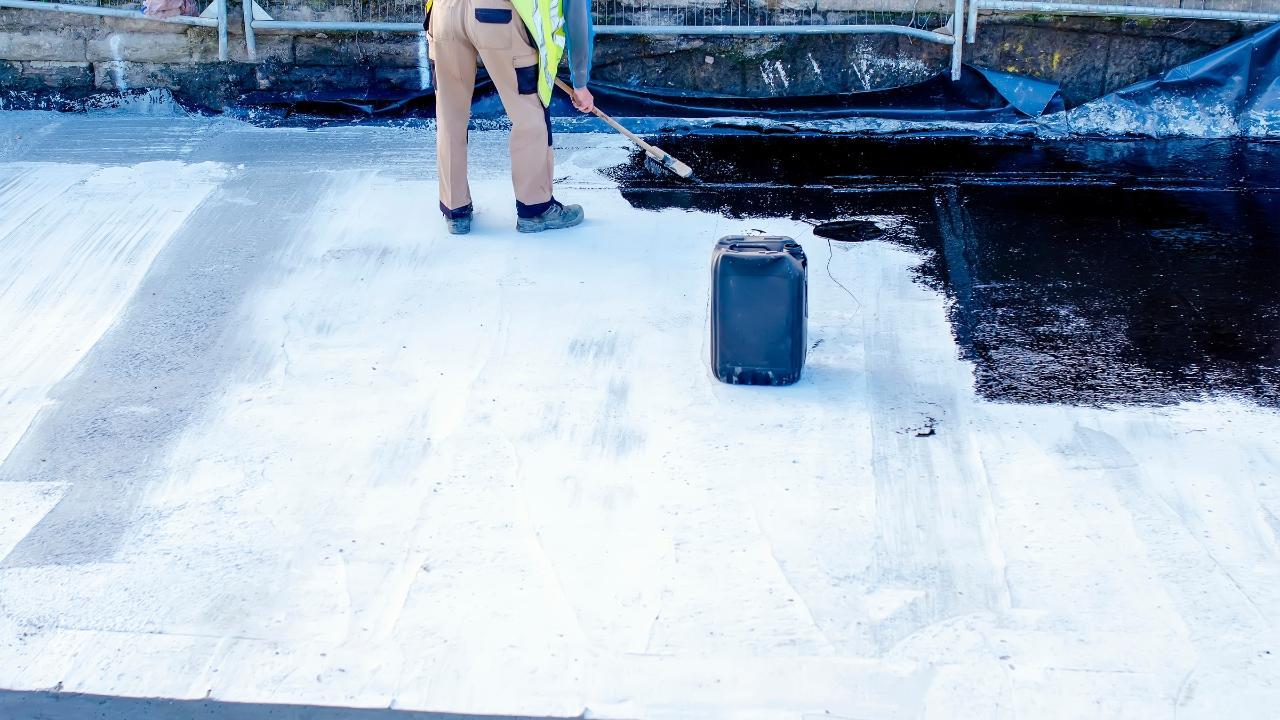
Singapore’s tropical climate is a double-edged sword. While it offers sunshine and warmth year-round, it also brings frequent bouts of heavy rain. This constant moisture exposure can wreak havoc on your property, leading to leaks, mold growth, and structural damage. Thankfully, there’s a reliable solution: waterproofing.
But waterproofing in Singapore isn’t a one-size-fits-all solution. This guide delves into everything you need to know about keeping your home or business watertight, from understanding the different types of waterproofing to navigating the process of hiring a contractor.
Why is Waterproofing Important in Singapore?
Heavy rainfall, coupled with high humidity, creates a constant threat of water ingress in Singaporean buildings. Left unchecked, water can seep through cracks, walls, and roofs, leading to a cascade of problems:
- Leaks: This is the most obvious consequence of poor waterproofing. Water leaks can damage furniture, belongings, and even the structure of your building.
- Mold Growth: Damp environments are breeding grounds for mold, which can trigger respiratory problems and allergies.
- Deterioration of Building Materials: Constant water exposure can weaken concrete, steel, and wood, leading to costly repairs in the long run.
- Mosquito Breeding Grounds: Stagnant water can attract mosquitoes, increasing the risk of mosquito-borne diseases like Dengue fever.
Discover the convenience of no-hacking waterproofing service in Singapore with our expert team. We provide non-invasive waterproofing solutions that fix leaks without the need for hacking or messy renovations. Our advanced techniques are perfect for bathrooms, kitchens, and other wet areas, ensuring a durable and effective barrier against water infiltration. Save time and avoid the hassle of traditional methods with our innovative no-hacking approach. Whether for residential or commercial properties, our no-hacking waterproofing service in Singapore guarantees reliable protection and peace of mind. Contact us now for a free consultation and keep your space leak-free!
Different Types of Waterproofing in Singapore
The type of waterproofing you choose depends on the specific area being protected and the building’s overall structure. Here’s a breakdown of some common methods used in Singapore:
- Crystalline Waterproofing: This involves applying a special chemical solution to concrete surfaces. The chemicals react with the concrete to create a crystalline structure that fills cracks and prevents water ingress.
- Membranous Waterproofing: This method uses a prefabricated sheet material like asphalt or PVC to create a watertight barrier. It’s particularly effective for roofs and basements.
- Liquid Applied Waterproofing: This involves applying a liquid coating to the surface being protected. Once cured, the coating forms a flexible, seamless membrane.
- Polyurethane Waterproofing: This method uses a type of plastic polymer to create a highly durable and elastic waterproofing layer. It’s often used on areas that experience movement, such as roofs and balconies.
- Bituminous Waterproofing: This traditional technique involves using asphalt or tar-based materials to create a waterproof barrier. While cost-effective, it’s less durable than some newer options.
Common Areas Requiring Waterproofing in Singapore
While waterproofing can be applied to any part of a building, some areas are more susceptible to water ingress and need priority attention:
- Roofs: Flat roofs are particularly vulnerable to water pooling and leakage. Waterproofing protects the roof structure and prevents water from dripping down into the building.
- Bathrooms & Toilets: Constant water usage in bathrooms creates a high-moisture environment. Waterproofing floors, walls, and around fixtures prevents leaks and mold growth.
- Kitchens: Similar to bathrooms, kitchens also require waterproofing around sinks, countertops, and dishwasher areas to prevent water damage.
- Basements & Underground Structures: These areas are directly exposed to the ground and groundwater. Waterproofing is crucial to prevent flooding and structural issues.
- Balconies & Terraces: Rainwater can collect on balconies and terraces, causing leaks into the building. Waterproofing ensures proper drainage and protects the underlying structure.
Signs You Need Waterproofing in Singapore
Regular inspections are key to identifying potential water problems early on. However, here are some signs that might indicate you need waterproofing services in Singapore:
- Visible Cracks: Cracks in walls, floors, or ceilings can allow water to seep through.
- Water Stains: Stains on walls, ceilings, or floors are a telltale sign of water leakage.
- Mold Growth: Mold thrives in damp environments. Its presence indicates a persistent moisture problem.
- Musty Odors: A musty odor in your home could be a sign of mold growth or hidden water damage.
- Flaking Paint: Paint peeling or bubbling off walls could be a result of moisture accumulation behind the paintwork.
- Increased Utility Bills: Damaged waterproofing can lead to increased water usage, resulting in higher utility bills.