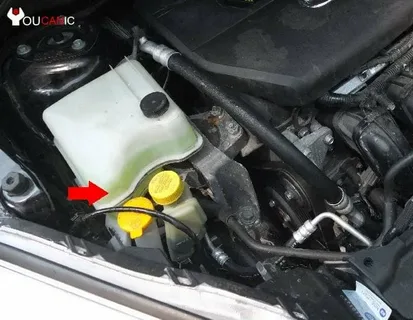
Every component matters when it comes to keeping your 2004 Mazda 3 running smoothly—even the often-overlooked coolant reservoir. This seemingly simple part is crucial in maintaining optimal engine temperature and preventing overheating. But as you navigate the world of car repairs or upgrades, you’ll likely encounter two primary options: OEM (Original Equipment Manufacturer) and aftermarket 2004 Mazda 3 Coolant Reservoir. Each has advantages and drawbacks that could impact performance, cost-effectiveness, and longevity.
OEM Coolant Reservoir: Advantages And Benefits
OEM options stand out for several reasons when considering a replacement for your 2004 Mazda 3 coolant reservoir. First and foremost, these parts are designed specifically for your vehicle’s make and model. This means you can expect a perfect fit without the need for modifications.
Another significant advantage is quality assurance. OEM reservoirs are manufactured to meet Mazda’s strict standards. This attention to detail ensures they perform reliably under various conditions, safeguarding your engine from overheating or other cooling issues.
Another key benefit of choosing an OEM coolant reservoir is longevity. Due to their robust construction materials and precise engineering, these parts often last longer than their aftermarket counterparts. When you invest in an OEM part, you’re likely reducing the frequency of replacements in the long run.
Additionally, opting for OEM can enhance resale value if you sell your Mazda 3 later. Prospective buyers appreciate knowing that original parts were used during repairs or maintenance.
Warranty coverage adds peace of mind when selecting an OEM coolant reservoir. Most manufacturers offer product warranties, ensuring protection against defects or premature failure shortly after installation.
Aftermarket Coolant Reservoir: Pros And Cons
Aftermarket coolant reservoirs can provide an appealing alternative to OEM parts for your 2004 Mazda 3. One of the main advantages is cost. Aftermarket options are often significantly cheaper, making them a budget-friendly choice for many car owners.
On the other hand, aftermarket options vary significantly in terms of warranty length and conditions. Some manufacturers may offer limited lifetime warranties, while others might provide just a few months of coverage. It’s essential to read the fine print because these warranties can differ based on factors like installation methods or usage conditions.
The credibility of aftermarket brands also affects their reliability regarding warranties. Established companies tend to offer better guarantees than lesser-known brands. Choosing products from reputable suppliers increases your chances of receiving solid post-purchase support.
However, there are downsides to consider. Quality control can vary widely among aftermarket manufacturers, leading to potential durability issues over time. Some products might not withstand extreme temperatures or pressure as well as their OEM counterparts.
Fitment is another concern; not all aftermarket reservoirs fit perfectly within the intended space. Installation challenges could sometimes arise, causing frustration during replacement efforts.
Warranty coverage on aftermarket parts is typically less robust than that of OEMs. Suppose an issue arises due to a defect or failure in the part itself. In that case, you might face higher out-of-pocket expenses without reliable support from a manufacturer guarantee.
Quality And Durability Comparison
Several factors come into play when comparing the quality and durability of OEM and aftermarket coolant reservoirs for your 2004 Mazda 3. OEM parts are manufactured by the original equipment manufacturer, ensuring they meet specific Mazda standards. This typically means higher-quality materials and craftsmanship designed to withstand the rigours of daily driving.
Aftermarket options can vary widely in terms of build quality. Some manufacturers prioritize performance and offer products that rival OEM components, but others may cut corners to reduce costs. As a result, choosing an aftermarket part requires careful research on brand reputation and customer reviews.
Material composition is another crucial aspect. OEM reservoirs often use high-grade plastics that are resistant to cracking or warping under temperature fluctuations. In contrast, some aftermarket models might provide a different resistance level, leading to potential issues.
Durability also plays a significant role in long-term value. If properly maintained, an OEM reservoir can last many years without any signs of wear. On the other hand, certain aftermarket versions might need replacement sooner due to inferior construction or subpar materials.
Understanding these differences will help you make an informed decision based on what matters most: reliability over time versus cost savings upfront.
Cost Difference Between OEM And Aftermarket 2006 Mazda 3 Coolant Reservoir
Many car owners consider cost a significant factor when it comes to the 2006 Mazda 3 Coolant Reservoir. OEM (Original Equipment Manufacturer) parts are often priced higher due to their quality and brand reputation. These reservoirs are designed specifically for your vehicle, ensuring perfect fitment and performance.
On the other hand, aftermarket options usually have a lower price tag. Many manufacturers create these parts at reduced costs by using different materials or production methods, making them an attractive choice for budget-conscious buyers looking to save money on repairs.
However, even though an aftermarket coolant reservoir is cheaper, it can be a good investment. Some may sacrifice durability or functionality in pursuit of lower pricing, potentially leading to future issues that incur additional costs.
Considering what you’re getting for your money with both types of reservoirs is essential. While OEM products might initially seem pricey, they often offer longer-term reliability that justifies the expense.
In contrast, if you opt for an aftermarket part, be diligent about researching brands and reading reviews before making a purchase decision. The initial savings could be offset by potential replacement needs sooner than expected.
Fitment And Compatibility: OEM Vs. Aftermarket
Aftermarket Coolant Reservoirs: A Cost-Effective Alternative
On the other hand, aftermarket options may vary widely in quality. Some brands aim for universal fitment across multiple models, which might only sometimes align perfectly with your Mazda’s specifications. While many aftermarket reservoirs boast easy installation, more is needed.
Importance of Compatibility and Research
It’s crucial to check compatibility details before making a purchase. If you opt for an aftermarket coolant reservoir, double-check reviews or product descriptions to ensure it’s tailored for the 2004 Mazda 3. Many reputable manufacturers provide detailed compatibility lists.
The Role of Measurements in Fitment Accuracy
Additionally, measurements play a key role in fitment accuracy. An ill-fitting reservoir can lead to leaks or even damage over time—issues that could have been easily avoided with an OEM part designed precisely for your car’s needs.
Making the Right Choice: OEM vs Aftermarket Coolant Reservoir
While both options exist on the market, understanding their differences is essential when deciding on a replacement coolant reservoir.
Warranties And Guarantees for OEM Vs. Aftermarket 2010 Mazda 3 Coolant Reservoir
When considering a replacement for your 2010 Mazda 3 Coolant Reservoir, warranties and guarantees play a vital role. OEM parts typically come with longer warranty periods, ranging from one year to several years. This extended coverage gives peace of mind that the part is built to last and provides reliable performance.
On the other hand, aftermarket options vary significantly in terms of warranty length and conditions. Some manufacturers may offer limited lifetime warranties, while others might provide just a few months of coverage. It’s essential to read the fine print because these warranties can differ based on factors like installation methods or usage conditions.
The credibility of aftermarket brands also affects their reliability regarding warranties. Established companies tend to offer better guarantees than lesser-known brands. Choosing products from reputable suppliers increases your chances of receiving solid post-purchase support.
Additionally, consider how easy it is to claim a warranty if needed. OEM providers generally have streamlined processes for handling claims due to their established customer service networks.
Weighing these aspects will help you make an informed choice between OEM and aftermarket coolant reservoirs for your Mazda 3 while ensuring you’re protected against potential defects or issues down the road.
How To Choose The Right 2008 Mazda 3 Coolant Reservoir
Choosing the right 2008 Mazda 3 Coolant Reservoir involves several considerations. First, assess your driving habits and the conditions you typically drive in. Investing in a more durable option may be beneficial if you frequently encounter extreme temperatures or rough terrain.
Next, think about whether you’re leaning towards OEM or aftermarket parts. OEM reservoirs are designed specifically for your vehicle’s specifications and will generally ensure a perfect fit. On the other hand, aftermarket options often offer competitive prices and can provide varying levels of quality.
It’s also crucial to check compatibility with your specific model year and trim. Not all parts labelled for the 2010 Mazda 3 Coolant Reservoir will work seamlessly across different versions of this vehicle line. Always verify part numbers before making a purchase to avoid any hassle.
In addition to fitment, consider the warranty options available for each choice. OEM products usually have comprehensive warranties covering manufacturing defects, while some reputable aftermarket brands offer solid guarantees.
On the other hand, aftermarket options vary significantly in terms of warranty length and conditions. Some manufacturers may offer limited lifetime warranties, while others might provide just a few months of coverage. It’s essential to read the fine print because these warranties can differ based on factors like installation methods or usage conditions.
The credibility of aftermarket brands also affects their reliability regarding warranties. Established companies tend to offer better guarantees than lesser-known brands. Choosing products from reputable suppliers increases your chances of receiving solid post-purchase support.
Conclusion
Choosing between an OEM and aftermarket coolant reservoir for your 2004 Mazda 3 can significantly impact its performance. Each option has a unique set of advantages that cater to different needs.
Reliability is a key factor when considering an OEM coolant reservoir. These parts are designed specifically for your Mazda, ensuring a perfect fit and optimal performance. Although they may come with a higher price tag, their quality assurance often provides peace of mind.
FAQs
What is the main difference between OEM and aftermarket coolant reservoirs?
The vehicle’s manufacturer makes OEM (Original Equipment Manufacturer) parts, ensuring a precise fit and compatibility. Aftermarket options come from third-party manufacturers and may vary in quality, price, and warranty coverage.
Are aftermarket coolant reservoirs cheaper than OEM?
Yes, aftermarket reservoirs are typically more budget-friendly than their OEM counterparts. However, prices can range widely based on brand reputation and the materials used.
How will an aftermarket part fit my Mazda 3?
Always check the specifications provided by the seller or manufacturer. Look for customer reviews that mention fitment issues or confirm compatibility with a 2004 Mazda 3 model.
Do both types come with warranties?
Usually, yes. Most reputable brands offer warranties on both OEM and aftermarket products. Be sure to read the fine print regarding what is covered before purchasing.
| Related Business Listings |
| Contact Directory |
| Local Business Profiles |