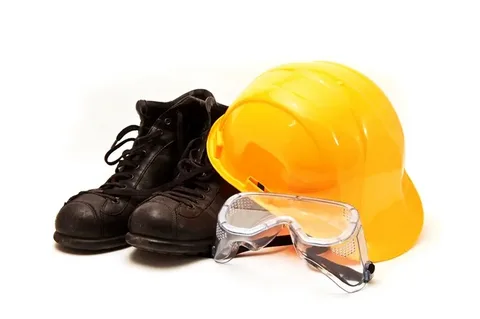
In the bustling world of Australia’s industries, safety is not just a priority; it’s a necessity. Personal Protective Equipment (PPE) plays a pivotal role in safeguarding workers from potential hazards on job sites ranging from construction to healthcare. As awareness about workplace safety continues to grow, so does the demand for reliable PPE solutions. This blog is your comprehensive resource for understanding everything you need about PPE Australia. From its vital importance and various types available to best practices and technological innovations, readers will discover how essential proper protective gear is.
The Importance of Personal Protective Equipment (PPE)
Personal Protective Equipment (PPE) is a vital line of defence in numerous industries.
It is designed to protect workers from potential hazards and minimise the risk of injury or illness in the workplace. PPE includes a variety of protective gear, such as gloves, helmets, goggles, masks, and full-body suits.
Here are some key reasons why PPE is crucial in promoting safety and preventing workplace injuries:
Protection against Hazards
PPE serves as a barrier between workers and potential hazards in the workplace. These include physical hazards such as extreme temperatures, sharp objects, or electrical currents. It can also protect against chemical hazards like toxic fumes or spills that could cause harm to the skin or respiratory system.
Compliance with Regulations
Many industries have strict regulations regarding using PPE to ensure worker safety. Employers are legally responsible for providing their employees with appropriate PPE and ensuring that it is used correctly. Failure to comply with these regulations can result in penalties and fines for businesses.
Prevention of Injuries and Illnesses
Wearing PPE can significantly reduce the risk of injuries and illnesses in the workplace. For example, using gloves when working with chemicals can prevent skin irritation or burns, while wearing a hard hat can protect against head injuries on construction sites.
Increased Productivity
Workers who feel safe and protected are more likely to focus on their tasks, increasing productivity. PPE can also help prevent injuries resulting in time off work or reduced efficiency due to pain or discomfort.
Cost Savings
Investing in PPE is ultimately a cost-saving measure for businesses. Workplace injuries and illnesses can result in expensive medical bills, lost productivity, and potential legal fees. Employers can minimise these risks by providing employees with appropriate PPE and saving money in the long run.
Types of Personal Protective Equipment
Personal protective equipment (PPE) comes in various forms, each designed to safeguard against specific hazards. Head protection is crucial in many industries. Hard hats shield workers from falling objects and impact injuries. Eye and face protection includes goggles, face shields, and safety glasses. These items prevent injuries from flying debris or chemical splashes. Hearing protection is essential in noisy environments. Earplugs and earmuffs help reduce harmful noise exposure. Respiratory protection serves to filter out contaminants from the air. Masks and respirators are vital for those working with hazardous substances.
Hand protection varies widely depending on the tasks at hand. Gloves can protect against cuts, chemicals, or heat. Footwear also plays a significant role in PPE. Steel-toed boots provide necessary foot safety while ensuring comfort during long work hours. Body protection encompasses coveralls and vests that guard against physical harm or severe weather conditions.
Importance of PPE Compliance
PPE compliance is crucial for ensuring safety in various work environments. It establishes a responsibility culture where employers and employees prioritise health and well-being. When workers consistently wear the appropriate personal protective equipment, they significantly reduce the risk of injuries and illnesses. This not only protects individuals but also contributes to overall workplace productivity.
Regulatory standards guide PPE compliance in Australia. Adhering to these standards ensures that all equipment meets safety requirements. Non-compliance can lead to serious legal consequences, including fines or shutdowns. Moreover, wearing PPE enhances team morale. When everyone feels safe and secure at work, it fosters a positive atmosphere conducive to collaboration.
Training programs also play a key role in promoting PPE compliance. They educate staff on proper usage and potential hazards associated with non-compliance, ultimately saving lives.
Selecting the Right PPE for Your Needs
Selecting the correct PPE is crucial for ensuring safety in any environment. It starts with understanding the specific hazards present in your workplace. Different jobs pose various risks, from chemical exposure to physical injuries. Consider what type of protection you need: respiratory masks for airborne particles, gloves for chemical handling, or hard hats for head protection. Each piece must meet relevant Australian standards and regulations.
Fit plays a significant role, too. Ill-fitting gear can compromise safety and comfort. Always try on equipment before committing to ensure it meets your needs. Moreover, think about usability. Some environments may require lightweight options that allow ease of movement while still providing adequate protection. Regularly review your PPE choices as conditions change or when new equipment becomes available. Staying informed will help maintain effective safety measures at all times.
Maintenance and Care of PPE
Proper maintenance and care of Personal Protective Equipment (PPE) ensures its effectiveness. Regular inspections should be a routine part of any safety protocol. Look for wear, damage, or contamination that could compromise protection. Cleaning methods vary depending on the type of PPE. Always follow the manufacturer’s guidelines to avoid deterioration. For instance, some materials may require specific cleaning agents or techniques.
Storage is equally essential. To extend the lifespan of PPE, store it in a clean, dry environment away from direct sunlight and extreme temperatures. Training users on proper handling and storage can prevent accidental damage. Encourage employees to report any issues immediately so they can be addressed promptly. By prioritising maintenance and care, organisations can enhance worker safety while maximising their investment in PPE. Australia provides essential resources for guidance on best practices across various industries.
Personal Protective Equipment Australia: Your Comprehensive Guide
When it comes to workplace safety, Personal Protective Equipment Australia plays a pivotal role. This comprehensive guide is valuable for anyone seeking information on protective gear tailored to various industries. From construction sites to healthcare facilities, understanding the specific needs of each sector is crucial. PPE encompasses an array of equipment designed to shield workers from hazards that can cause injuries or illnesses.
Navigating through regulations and standards can be daunting. However, knowledgeable suppliers provide essential insights and recommendations tailored to individual requirements. In addition to finding the right products, users should prioritise education on proper usage and maintenance techniques. This ensures longevity and effectiveness in protecting against potential dangers. Staying informed about technological advances will enhance safety measures across all sectors while empowering individuals with confidence in their protective choices.
Best Practices for PPE Usage
Ensuring optimal safety with PPE requires adherence to best practices. Start by selecting the appropriate equipment tailored to specific tasks and risks. Before each use, inspect all gear for wear and tear. Damaged items should be replaced immediately. Workers must understand how to don and doff their protective equipment correctly.
Training sessions are vital. Employees must know not only how to use PPE but also when it is necessary. Regular refresher courses can keep everyone informed about any procedure updates or changes. Properly storing PPE extends its lifespan. Please keep it clean and dry, away from direct sunlight or extreme temperatures.
Encouraging a culture of safety enhances compliance among team members. Open discussions about potential hazards foster a proactive approach to protection in the workplace, ensuring everyone feels responsible for their well-being and that of those around them.
Innovations in PPE Technology
Thanks to groundbreaking technological innovations, the landscape of PPE is rapidly evolving. Manufacturers are now integrating intelligent fabrics that enhance comfort while providing superior protection. These materials can regulate temperature and wick away moisture, making them ideal for workers in high-pressure environments.
Another exciting development is using augmented reality (AR) in training programs. AR enhances learning by simulating real-life scenarios where proper PPE usage is critical. This immersive experience helps employees understand the importance of their gear before entering potentially hazardous situations.
Nanotechnology also plays a pivotal role, leading to products that repel water and contaminants more effectively than ever before. Such advancements improve safety and extend the lifespan of equipment, reducing costs over time. As these technologies advance, personal protective equipment becomes increasingly adaptive and effective at meeting diverse industry needs across Australia.
Common Misconceptions about Pep
Many people have misconceptions about personal protective equipment (PPE), especially in professional settings. One common belief is that all PPE is one-size-fits-all. However, the effectiveness of gear relies heavily on proper fit and comfort. Another misunderstanding is that wearing PPE guarantees complete safety. While it significantly reduces risks, it does not eliminate them. Workers should still adhere to safety protocols and maintain vigilance.
Some assume that once they put on their protective gear, they’re immune from hazards for the entire day. Regular assessments and adjustments are crucial as conditions change throughout a shift. Many think that only specific industries require PPE. Yet various workplaces across Australia necessitate protective equipment to ensure everyone’s well-being, whether in the construction or healthcare sectors.
PPE for Emergency Situations
Emergencies can strike at any moment. Proper personal protective equipment is crucial in these high-stress situations. Firefighters, for instance, rely on fire-resistant gear that withstands extreme temperatures. This equipment protects against flames and provides visibility during chaotic incidents.
Healthcare workers face biohazard risks during outbreaks or chemical spills. They require specialised PPE, including masks and gowns designed to block harmful pathogens effectively. Construction sites often experience accidents that require immediate response. Hard hats and safety goggles are essential to protect against falling debris or flying particles.
Even in natural disasters, such as floods or hurricanes, appropriate PPE like waterproof boots and gloves becomes vital to ensure safety while navigating hazardous environments. Choosing the correct PPE tailored for emergencies enhances protection and ensures readiness when it matters most. Understanding specific needs can make all the difference in critical moments.
Conclusion
Personal Protective Equipment (PPE) is essential to workplace safety in Australia. Protecting workers from injuries or illnesses is a crucial defence against potential hazards. This comprehensive guide has provided an overview of the importance of PPE compliance and selecting the right equipment for specific needs. It also highlights technological advancements that improve safety measures across various industries. PPE Australia is a valuable resource for staying up-to-date on personal protective equipment developments and ensuring optimal workplace protection.
FAQs
Understanding PPE in Australia is essential for ensuring safety across various industries. Here are five frequently asked questions that further clarify personal protective equipment.
What does PPE stand for?
PPE stands for Personal Protective Equipment. It encompasses a range of gear designed to protect workers from hazards that could cause injury or illness.
Why is personal Protective equipment Australia essential in the workplace?
Personal Protective Equipment Australia is crucial as it is the last line of defence against potential dangers. Proper use of PPE significantly reduces the risk of accidents and injuries, promoting a safer work environment.
How do I know which type of PPE I need?
Choosing the correct type of PPE depends on several factors, including job tasks, specific hazards present, and regulatory requirements. Conducting a thorough risk assessment can help identify appropriate equipment tailored to your needs.
Is there any training required to use PPE?
Yes, training is vital to correctly using personal protective equipment. Employees should be educated about proper usage techniques, maintenance practices, and limitations associated with their chosen gear.
Can I reuse my protective equipment?
Reusability depends on the type of PPE and its condition after use. Some items like helmets or safety glasses may be reused if undamaged; however, disposable gloves or masks should not be reused after single-use applications due to contamination risks.
These FAQs clarify joint Personal Protective Equipment queries while encouraging individuals and organisations to prioritise safety through informed decisions.
| Related Business Listings |
| Contact Directory |
| Local Business Profiles |