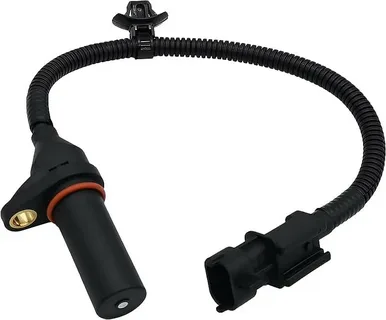
Every component plays a crucial role in keeping your Kia Rio running smoothly. One of the unsung heroes under the hood is the crank sensor. It may be small, but its impact on engine performance is significant. Think of it as the brain behind your vehicle’s ignition timing and fuel efficiency.
If you want to extend the lifespan of your Kia Rio Crank Sensor and ensure a reliable driving experience, you’ll need to understand how this essential part works and what can go wrong over time. From recognising warning signs to implementing preventive measures, there are several steps you can take for optimal maintenance. Let’s explore everything you need to know about caring for your Kia Rio crank sensor so that you can continue enjoying smooth rides on the road ahead!
Understanding the Role of the Crank Sensor in Your Vehicle
The crank sensor, also known as the crankshaft position sensor, plays a vital role in your Kia Rio’s engine management system. It monitors the crankshaft’s position and rotational speed, which is crucial for determining when to ignite the fuel-air mixture inside the cylinders.
The crank sensor helps ensure that your vehicle operates efficiently by sending data to the engine control unit (ECU). The ECU uses this information to adjust ignition timing and fuel injection, optimising performance while reducing emissions. Without accurate readings from this sensor, your car may struggle to start or run smoothly.
Crank sensors can be magnetic or hall-effect types, each working under different principles but serving similar functions. Regardless of their kind, they all contribute to maintaining proper engine timing and overall efficiency.
When functioning correctly, you won’t notice this component at work until it fails or shows signs of wear. At that point, you may experience issues such as misfires or stalling.
Understanding how essential this small part is can help you appreciate why regular maintenance matters so much for your Kia Rio’s longevity and performance. Being proactive about monitoring your health could save you time and money.
Common Causes of Crank Sensor Failure
Crank sensors are crucial in your Kia Rio’s engine management system. When they fail, it can lead to significant performance issues. Understanding the common causes of crank sensor failure is essential for every car owner.
One frequent culprit is exposure to extreme temperatures. Crank sensors are typically located near the engine and can be affected by excessive heat or cold over time. This environmental stress can cause the internal components to degrade, leading to malfunction.
Another cause is physical damage from debris or impacts. Road conditions vary, and rocks or other objects can easily strike sensitive parts under your vehicle. A damaged sensor may affect its function and disrupt overall engine performance.
Corrosion is another enemy of electrical components like crank sensors. Moisture and road salt can create rust on connectors and wiring, leading to poor signal transmission between the sensor and the engine control unit (ECU). Regular inspections help catch these issues early before they escalate into more severe problems.
Wear and tear due to age cannot be overlooked. As with any mechanical part, crank sensors have a finite lifespan that diminishes with use over time. Regular maintenance checks will ensure you know when it’s time for replacement before failure occurs unexpectedly on the road.
Signs That Your 2011 Kia Rio Crank Sensor May Need Attention
Are you noticing any unusual behavior from your 2011 Kia Rio Crank Sensor? Please pay close attention, as it could indicate that the crank sensor is struggling. One common indication is difficulty starting your vehicle. If you find yourself cranking the ignition multiple times before it finally starts, this may point to an issue with the crank sensor.
Another warning signal can be erratic engine performance. If your car experiences unexpected stalling or hesitation during acceleration, the crank sensor may not be relaying accurate information to the engine control unit. This inconsistency can affect how smoothly your vehicle runs.
Additionally, check for warning lights on your dashboard. The check engine light often illuminates due to various issues, including problems with the crank sensor. It might not directly specify which component is at fault, but it indicates that something requires immediate attention.
Unusual noises from under the hood are also worth noting. If you hear grinding or clicking sounds while driving, these could indicate mechanical troubles related to a failing crank sensor affecting other parts of your engine system.
Monitor fuel efficiency closely. A malfunctioning crank sensor can lead to poor fuel management and increased consumption rates. If you’re filling up more frequently without changes in driving habits, don’t overlook this potential red flag regarding your Kia Rio’s health.
Importance of Regular Inspections and Diagnostics: 2008 Kia Rio Crank Sensor
Regular inspections and diagnostics are crucial for the longevity of your 2008 Kia Rio Crank Sensor. This component plays a vital role in engine management, helping determine the correct fuel injection and ignition timing. Neglecting it can lead to performance issues that escalate over time.
Routine checks allow you to catch potential problems before they worsen. A simple diagnostic scan can reveal faults or irregularities that indicate early signs of wear or failure. Addressing these issues promptly helps maintain optimal vehicle performance.
Furthermore, regular inspections help ensure all associated wiring and connections are intact. The crank sensor is sensitive; any corrosion or loose connections could disrupt its function, leading to misfires or stalling engines.
Diagnostics aren’t just about identifying current issues, but also an opportunity for preventive measures. Based on their findings, technicians can adjust settings related to the crank sensor’s performance, keeping your Kia running smoothly.
Incorporating regular maintenance into your car care routine significantly reduces the risk of unexpected breakdowns. It fosters peace of mind as you drive, knowing that your vehicle is functioning at its best while extending the lifespan of essential components like the crank sensor.
Best Practices for Maintaining a Healthy Crank Sensor
Keeping your Kia Rio’s crank sensor in top shape requires a proactive approach. Regular checks help catch issues before they escalate. Make it a habit to inspect the crank sensor during routine maintenance intervals. This not only saves you trouble but also reduces long-term costs.
Securing Connections for Reliable Signals
A crank sensor relies on stable connections to transmit accurate signals. Any corrosion, dirt, or looseness in the wiring can disrupt engine performance. Applying dielectric grease to connectors serves as an effective barrier against moisture and grime, preventing signal interference.
Monitoring Temperature Fluctuations
Temperature extremes can affect the crank sensor’s functionality. If an engine runs too hot, it could lead to sensor inefficiencies or failures. Regular checks on the cooling system help maintain optimal temperature levels, reducing the risk of overheating-related complications.
How to Clean and Protect the 2006 Kia Rio Crank Sensor
Cleaning and protecting your 2006 Kia Rio Crank Sensor is key to longevity. A clean sensor works efficiently, providing accurate readings that keep your engine running smoothly. Start by locating the crank sensor near the bottom of the engine block or transmission.
Before cleaning, ensure your vehicle is turned off and cool to avoid injuries. Disconnect the battery as a safety precaution. Use a soft cloth or brush to remove dirt and debris around the sensor area gently. Avoid using harsh chemicals that could damage its components.
For deeper cleaning, consider using a specialised electrical contact cleaner. Spray it onto a lint-free cloth rather than directly on the sensor to prevent over-saturation. Carefully wipe away any grime without applying excessive pressure.
Protecting your crank sensor from future contaminants after cleaning is essential. Apply a light coating of dielectric grease around the connector terminals before reconnecting them. This will help seal out moisture and dirt while ensuring optimal connectivity.
Inspect this vital component during routine maintenance checks for signs of wear or corrosion. Keeping an eye on these factors can save you headaches with costly repairs related to crank sensor failure in your Kia Rio.
When to Consider Replacing the Crank Sensor
If you notice persistent issues with your Kia Rio, consider replacing the crank sensor. This component plays a crucial role in engine performance. You may experience rough idling or difficulty starting your vehicle when it fails.
Another clear sign is an illuminated check engine light on your dashboard. A malfunctioning crank sensor can trigger this warning, indicating something isn’t right under the hood. Taking these signals seriously and getting a diagnostic test done promptly is essential.
In some cases, age can be a factor even if there are no visible signs of failure. If your Kia Rio has seen many miles over several years without any maintenance on the crank sensor, it could benefit from replacement as part of preventative care.
Additionally, erratic engine behaviour, such as stalling or loss of power during acceleration, often points to potential crank sensor issues. Don’t ignore these symptoms; if left unaddressed, they can lead to more significant problems down the road.
If you’ve recently replaced other components related to fuel delivery or ignition systems but still face performance issues, considering a new crank sensor might help restore smooth operation for your Kia Rio.
Conclusion
Caring for your Kia Rio Crank Sensor is essential for its smooth operation. A well-maintained crank sensor contributes to better engine performance and fuel efficiency. Ignoring its upkeep can lead to costly repairs down the line. Regular inspections are crucial in identifying potential issues early on. By being proactive, you can prevent unexpected breakdowns and ensure that your car runs optimally. Taking a few moments now and then could make all the difference. Simple tasks like cleaning or checking connections can have significant benefits when it comes to maintenance. These small efforts help maintain reading accuracy, which directly impacts overall engine function. Staying vigilant about these details fosters longevity. Understanding when it’s time for replacement should also be part of your routine care plan. Knowing what signs to look out for means you won’t be caught off guard by sudden failure while driving.
FAQs
What is the function of a Kia Rio Crank Sensor?
The Kia Rio Crank Sensor measures the crankshaft’s position and speed, sending this information to the engine control unit (ECU). Tshis data helps optimise ignition timing and fuel injection for better engine performance.
How can I tell if my crank sensor is failing?
Common signs include rough idling, difficulty starting, stalling while driving, or engine misfires. If you notice these symptoms, it’s wise to have your vehicle checked promptly.
Can regular maintenance prevent crank sensor failure?
Yes! Routine inspections can identify issues before they escalate. Keeping up with oil changes and ensuring clean electrical connections are essential in prolonging your crank sensor’s lifespan.
Is it possible to clean a malfunctioning crank sensor?
In some cases, yes. Cleaning may resolve minor issues caused by dirt or debris accumulation. When attempting this task, use appropriate cleaning agents designed for automotive sensors.
| Related Business Listings |
| Contact Directory |
| Local Business Profiles |