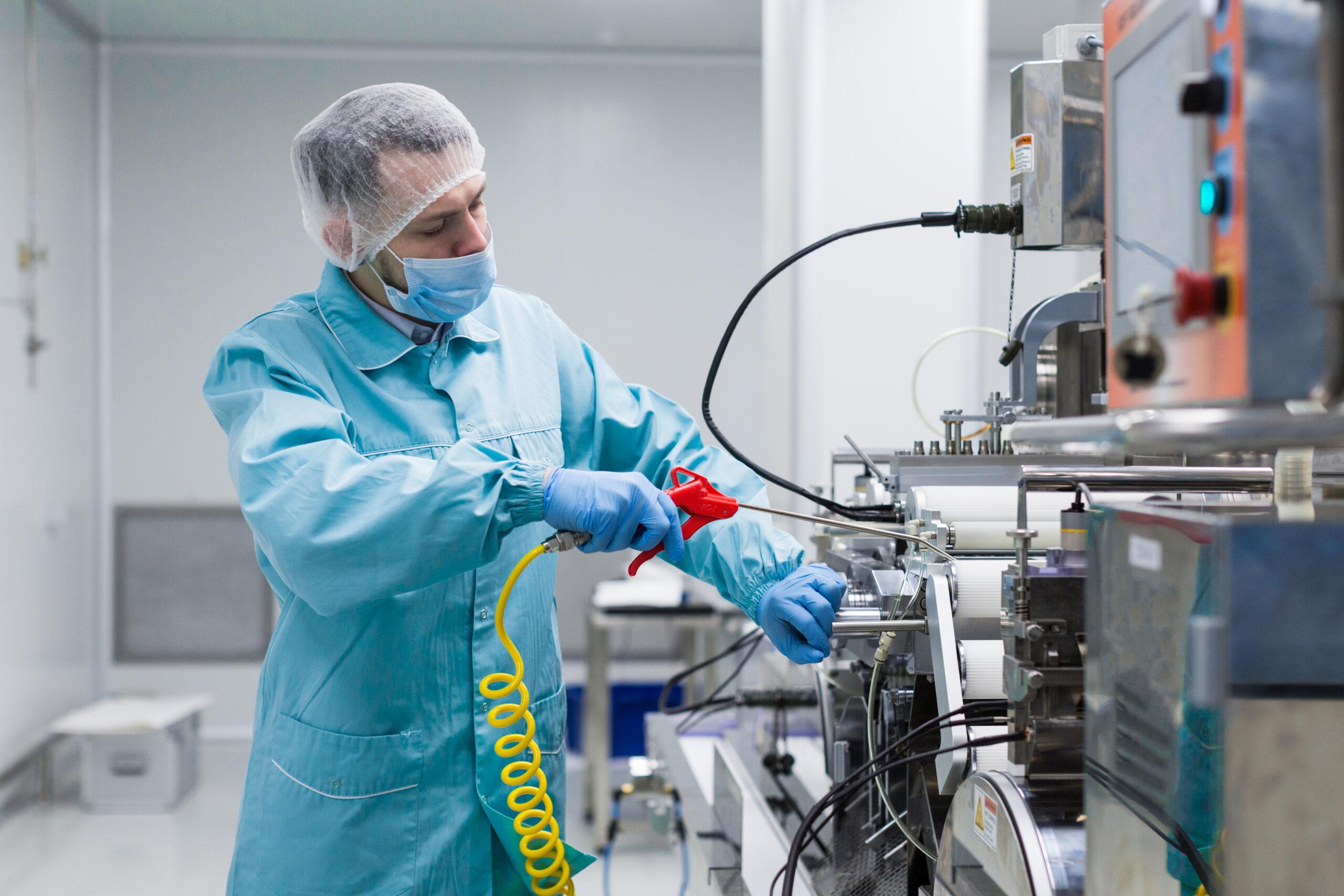
In today’s world, hand hygiene has taken center stage in our daily routines. As a result, the demand for effective hand wash products has surged, making quality control in hand wash manufacturing more critical than ever. Ensuring that these products are safe and effective is not just a regulatory requirement; it’s a responsibility that manufacturers must uphold to protect consumers.
The Importance of Quality Control in Hand Wash Manufacturing
- Consumer Safety: The primary objective of quality control in hand wash manufacturing is to safeguard consumer health. Hand washes must be free from harmful contaminants, ensuring that they do not cause skin irritation or allergic reactions.
- Effectiveness of Ingredients: Quality control processes ensure that active ingredients in hand washes are present in the correct concentrations. This guarantees that the product effectively eliminates germs and bacteria.
- Consistency in Product Quality: Regular quality checks during the manufacturing process help maintain consistency. Consumers expect the same level of performance every time they use a product, and quality control helps achieve that.
Key Components of Quality Control in Hand Wash Manufacturing
- Raw Material Inspection: Quality control begins with the selection of raw materials. Manufacturers must carefully inspect and test all ingredients before use. This includes checking for purity, potency, and overall quality.
- In-Process Testing: During the manufacturing process, samples should be taken at various stages. This allows manufacturers to monitor consistency and quality before the final product is packaged. Tests may include checking the viscosity, pH levels, and microbial contamination.
- Final Product Testing: After manufacturing, the final product must undergo rigorous testing. This includes stability testing, where the product is observed over time to ensure it maintains its quality. Manufacturers also conduct microbiological tests to verify that the product is free from harmful bacteria and pathogens.
Quality Control Procedures in Hand Wash Manufacturing
- Standard Operating Procedures (SOPs): Effective quality control relies on established SOPs. These guidelines outline the procedures for testing and inspection at every stage of production. All employees involved in the manufacturing process should be trained to follow these protocols.
- Quality Assurance Team: A dedicated quality assurance team is essential for maintaining high standards. This team oversees the entire manufacturing process, ensuring that all quality control measures are adhered to and documenting findings for future reference.
- Documentation and Record Keeping: Thorough documentation is crucial in quality control. Keeping detailed records of tests, inspections, and any deviations from standard procedures helps identify trends and improve processes. This transparency also builds trust with consumers and regulatory bodies.
Regulatory Compliance and Standards
- Understanding Regulations: Hand wash manufacturers must comply with local and international regulations regarding product safety and labeling. Familiarity with these guidelines is essential to avoid legal complications and ensure consumer safety.
- Certification and Testing: Obtaining certifications from recognized bodies can enhance credibility. Manufacturers often seek certifications that demonstrate adherence to quality standards. This includes testing by independent laboratories to verify product claims.
- Adapting to Changes in Regulations: The landscape of health and safety regulations is ever-evolving. Quality control teams must stay informed about changes and adapt processes accordingly. This proactive approach helps manufacturers remain compliant and ensures that products are safe for consumers.
Continuous Improvement in Quality Control Processes
- Feedback Mechanisms: Implementing feedback loops is vital for quality control. Gathering feedback from consumers about product performance can highlight areas for improvement. Manufacturers can use this information to refine their formulations and processes.
- Regular Training for Staff: Ongoing training for staff involved in quality control is crucial. This ensures that all team members are up-to-date with the latest techniques and industry standards. A well-trained team is more likely to identify issues early in the manufacturing process.
- Investment in Technology: Incorporating advanced technology into quality control processes can significantly enhance efficiency. Automated testing systems and data analytics tools can help manufacturers monitor quality in real-time, leading to quicker decision-making.
Addressing Common Challenges in Quality Control
- Supplier Variability: Variability in raw materials from suppliers can affect product quality. Manufacturers must establish strong relationships with reliable suppliers and conduct regular audits to ensure consistency.
- Production Scale-Up: Transitioning from small-scale production to larger batches can introduce new challenges. Quality control processes must be adapted to ensure that the same level of quality is maintained in larger quantities.
- Consumer Expectations: As awareness of hygiene products grows, so do consumer expectations. Manufacturers must stay ahead of market trends and consumer preferences to ensure their products remain relevant and effective.
Conclusion
In the competitive landscape of cosmetics, quality control in hand wash manufacturing plays a pivotal role in ensuring the safety and effectiveness of products. By implementing robust quality control measures, manufacturers can provide consumers with the assurance that they are using safe and reliable products.
Clarion Cosmetics is the best private label cosmetic product manufacturer in India. For those looking to partner with reputable Hand Wash Manufacturers, focusing on quality and effectiveness, Clarion Cosmetics stands out as a trusted choice in the industry.