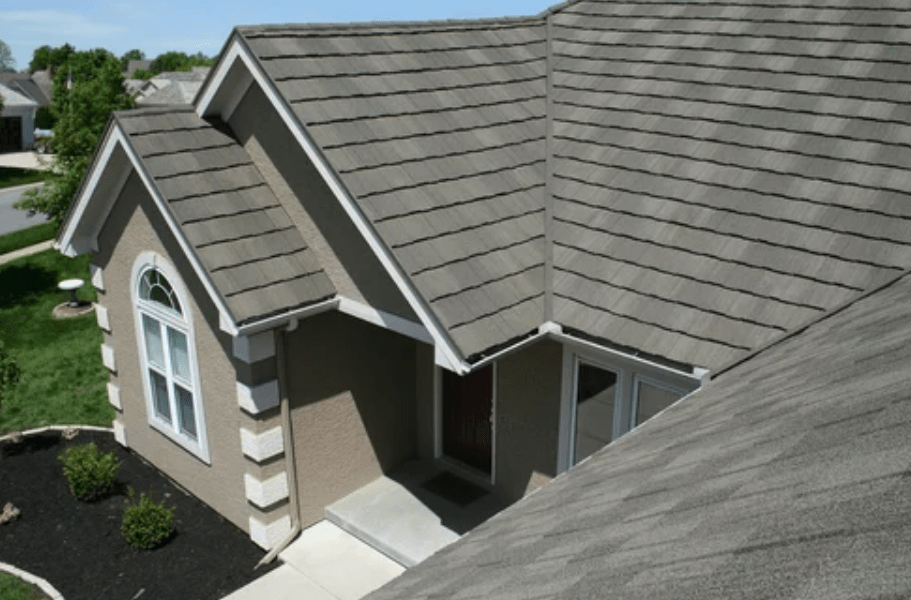
A home’s roof is more than just a protective layer—it plays a vital role in ensuring safety, energy efficiency, and curb appeal. Residential roofing encompasses a variety of materials, styles, and considerations, making it essential for homeowners to understand their options and the factors involved in maintaining or replacing their roof. This guide covers everything you need to know about residential roofing Calgary, from common materials to maintenance tips.
What Is Residential Roofing?
Residential roofing refers to the installation, repair, and maintenance of roofs on homes. Unlike commercial roofing, which often deals with flat or low-slope roofs, residential roofs are typically steep-sloped and designed with aesthetics, durability, and weather resistance in mind.
Popular Residential Roofing Materials
1. Asphalt Shingles
- Overview: The most common roofing material in North America.
- Benefits: Affordable, easy to install, and available in a variety of colors and styles.
- Lifespan: 20-30 years.
- Ideal For: Budget-conscious homeowners seeking versatility and reliability.
2. Metal Roofing
- Overview: Made from steel, aluminum, or copper.
- Benefits: Long-lasting, energy-efficient, and resistant to extreme weather.
- Lifespan: 40-70 years.
- Ideal For: Homes in areas prone to heavy snow or high winds.
3. Wood Shingles and Shakes
- Overview: Natural wood materials like cedar or redwood.
- Benefits: Eco-friendly, visually appealing, and excellent insulation properties.
- Lifespan: 25-40 years.
- Ideal For: Homes with a rustic or traditional design.
4. Tile Roofing
- Overview: Clay, concrete, or slate tiles.
- Benefits: Extremely durable, fire-resistant, and timeless in appearance.
- Lifespan: 50-100 years.
- Ideal For: Mediterranean, Spanish, or mission-style homes.
5. Flat Roof Systems
- Overview: Often covered with materials like TPO, EPDM, or modified bitumen.
- Benefits: Cost-effective, suitable for modern designs, and easier to inspect.
- Lifespan: 10-30 years.
- Ideal For: Contemporary or minimalist homes.
Key Considerations for Residential Roofing
1. Climate
Your region’s climate greatly influences your choice of roofing material. For instance, asphalt shingles may work well in moderate climates, while metal or tile roofing is better suited for areas prone to heavy rainfall, snow, or high winds.
2. Energy Efficiency
Energy-efficient roofs, like cool roofs or metal roofs with reflective coatings, can lower your cooling and heating costs by maintaining a more stable indoor temperature.
3. Aesthetics
Your roof significantly impacts your home’s curb appeal. Choose materials and colors that complement your home’s architectural style and blend seamlessly with the surrounding environment.
4. Budget
Determine how much you’re willing to invest in your roof. While asphalt shingles are the most affordable, materials like metal or slate may offer better long-term value due to their durability.
5. Lifespan
Consider the longevity of the roofing material. A longer lifespan may justify higher upfront costs by reducing the need for frequent replacements.
Residential Roofing Installation Process
- Inspection and Assessment
A professional roofer will inspect your current roof to determine its condition and recommend the best course of action. - Material Selection
Based on your needs and budget, you’ll choose the roofing material and style. - Roof Preparation
The old roof is removed, and the decking is inspected for damage. Any necessary repairs are completed before installation begins. - Installation
The new roofing material is installed, starting with an underlayment to provide additional protection against moisture. - Finishing Touches
Ridge caps, flashing, and ventilation systems are added to complete the roof. - Final Inspection
The contractor performs a final inspection to ensure everything is installed correctly and meets your expectations.
Residential Roofing Maintenance Tips
- Regular Inspections
Schedule roof inspections at least twice a year and after major storms to identify potential issues early. - Clean Gutters
Clogged gutters can cause water to back up onto the roof, leading to leaks and damage. - Remove Debris
Keep your roof clear of leaves, branches, and other debris to prevent moisture retention and algae growth. - Check for Damage
Look for missing shingles, cracked tiles, or loose flashing that could allow water to penetrate your home. - Trim Overhanging Branches
Prevent tree branches from scraping against your roof or dropping debris onto it.
When to Replace Your Roof
Signs that it’s time to replace your roof include:
- Frequent leaks or water damage.
- Missing or severely damaged shingles.
- Visible sagging or structural issues.
- Excessive granule loss (for asphalt shingles).
- A roof nearing the end of its expected lifespan.
Hiring a Professional Residential Roofing Contractor
Choosing the right contractor is critical for a successful roofing project. Look for a licensed, insured, and experienced roofer with positive reviews and a solid reputation. Ask for references and a detailed estimate before starting the project.
Conclusion
Residential roofing is a significant investment that impacts your home’s safety, energy efficiency, and visual appeal. By understanding the different materials, installation process, and maintenance requirements, you can make informed decisions to ensure your roof remains in top condition for years to come.
When it’s time to repair or replace your roof, partnering with a trusted professional ensures your project is completed efficiently and to the highest standards. Protect your home with a reliable roof, and enjoy the peace of mind that comes with a job well done!