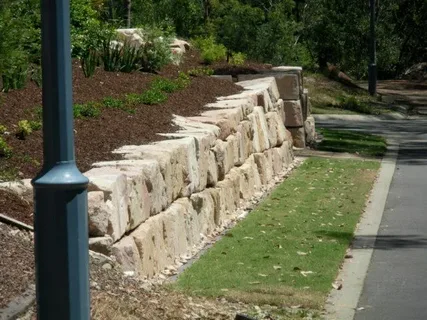
If so, you’re in the right place. Retaining walls can be more than just functional structures; they can also enhance the aesthetic appeal of your property while providing essential support for gardens and landscapes. Whether you’re looking to prevent soil erosion or create tiered garden beds, understanding the ins and outs of retaining wall installation Brisbane is crucial. This guide will walk you through everything from benefits and costs to common mistakes and maintenance tips.
Benefits of Installing a Retaining Wall in Your Brisbane Home
Installing a retaining wall can significantly enhance your Brisbane property. One of the primary benefits is improved landscape management. These structures effectively hold back soil, preventing erosion and creating flat areas for gardening or outdoor activities. Another advantage is increased property value. A well-designed retaining wall adds aesthetic appeal and functionality to your yard, making it more attractive to potential buyers.
Retaining walls also provide excellent drainage solutions. They help divert water away from your home’s foundation, reducing the risk of damage during heavy rainfalls common in Brisbane. Moreover, they offer versatile design options. Whether you prefer natural stone or modern materials, you can customize a retaining wall to match your home’s style seamlessly. These structures create usable space on sloped lots, allowing homeowners to maximize their outdoor living areas while enjoying enhanced privacy and noise reduction from surrounding properties.
Factors to Consider Before Installing a Retaining Wall
Before diving into retaining wall installation, it’s crucial to assess your property’s needs. Start by evaluating the soil type on your land. Different materials perform better with various soil conditions. Next, consider the height of the wall you need. Taller walls require more engineering and possibly additional support. Local weather patterns can also impact design choices—heavy rain can lead to increased pressure behind a wall.
Think about drainage solutions too. Proper water management is essential to prevent damage over time. Incorporating drainage features will help maintain stability. Check local zoning laws and regulations as well; compliance is key in Brisbane for avoiding future complications. Factor in aesthetic preferences. A retaining wall should not only be functional but also enhance your landscape’s visual appeal and value.
Cost of Retaining Wall Installation in Brisbane: What You Need to Know
When considering retaining wall installation in Brisbane, understanding the costs involved is essential. The price can vary significantly based on materials, design complexity, and site conditions. Timber walls tend to be more affordable but may require more maintenance compared to concrete or stone options. Concrete blocks offer durability and a modern aesthetic at a higher initial cost.
Labor expenses also play a significant role in the total investment. Experienced professionals typically charge by the hour or project scope. Proper planning can save you money down the line. Additionally, consider any potential landscaping adjustments needed after installation. Factor these into your overall budget for a comprehensive financial picture. Always seek multiple quotes from contractors to ensure you’re getting competitive pricing. This will help you make an informed decision tailored to your needs and budget constraints.
How to Prepare for the Installation Process
Preparing for the installation of a retaining wall requires careful planning. Start by assessing your yard’s layout and soil conditions. Take note of any slopes, drainage issues, or existing structures that could impact the project. Next, gather necessary tools and materials. Depending on your design choice—whether timber, stone, or concrete—you’ll need specific supplies like gravel, landscape fabric, and proper adhesives.
It’s also wise to inform neighbors about your plans. They might have concerns regarding noise or access during installation. A heads-up can foster goodwill and prevent misunderstandings. Consider marking out the intended area with stakes or chalk lines. This visual aid helps you gauge dimensions accurately before digging begins. Check weather forecasts to avoid rainy days that could hinder progress. Proper preparation ensures a smoother installation process without unexpected interruptions.
The Step-by-Step Guide to Installing a Retaining Wall Installation Brisbane in Your Brisbane Home
Installing a retaining wall installation Brisbane in your Brisbane home requires careful planning. Start by marking the area where the wall will go. Use stakes and string to outline its shape. Next, dig a trench for the foundation. The depth should be about one-third of your wall’s height, ensuring it’s stable. Level the bottom of the trench before proceeding. Now, lay down gravel for drainage. This step is vital to prevent water buildup behind your wall, which can lead to structural damage.
Begin placing your chosen materials—whether they are bricks, blocks, or timber—starting from one end and working to the other. Make sure each layer is level as you build up. As you reach height, backfill with soil gradually while compacting it firmly. Regular checks on alignment keep everything straight and true throughout installation. Finish with proper drainage systems at the top if needed. This ensures longevity and durability against Queensland weather conditions.
Common Mistakes to Avoid During Installation
One of the most frequent mistakes during retaining wall installation is neglecting proper drainage. Without adequate drainage, water can accumulate behind the wall, leading to pressure that may cause it to fail. Another common error is underestimating soil conditions. Ignoring soil type and stability can result in unexpected shifts or collapses over time. Using inappropriate materials also poses a significant risk.
Ensure your chosen materials are suitable for Brisbane’s climate and specific site conditions. Failing to follow local regulations often leads to costly fines or forced removals. Always check with local authorities before beginning construction. Many homeowners rush through measurements. Taking the time to measure accurately ensures your wall will be both functional and aesthetically pleasing in your landscape design.
Maintaining and Repairing Your Retaining Wall
Maintaining your retaining wall is essential for its longevity and functionality. Regular inspections can help you catch issues early, preventing costly repairs down the line. Look for signs of erosion, cracks, or bulging. Cleaning debris from the top and sides keeps water drainage pathways clear. This helps prevent pressure buildup behind the wall that could lead to structural failure. Keep plants trimmed back as well; overgrowth can add unnecessary stress to your retaining wall.
If you notice any cracks or uneven settling, address these immediately. Small fixes often save bigger problems later on. For larger damage, consider consulting a professional who specializes in retaining-wall installation in Brisbane. Repairing techniques vary depending on material types—timber walls may need replacement boards while concrete might require filling gaps with mortar or sealant. Always use materials suited for Brisbane’s climate to ensure durability throughout all seasons.
Common Challenges in Retaining Wall Installation and How to Overcome Them
Retaining wall installation can present several challenges. One common issue is soil erosion. It can undermine the stability of your wall, leading to costly repairs. To combat this, ensure proper drainage systems are in place before construction begins. Another challenge arises from choosing the right materials. Different climates and soil types require specific solutions for optimal performance. Researching local options or consulting with professionals can save you time and money.
Additionally, uneven ground presents a hurdle during installation. Leveling the area might involve extra labor and resources but is essential for long-lasting durability. Navigating local regulations can feel overwhelming. Not understanding zoning laws may lead to fines or project delays. Familiarize yourself with Brisbane’s requirements early on to streamline your process. Address these challenges head-on, and you’ll pave the way for a solid retaining wall that enhances your property value while ensuring safety.
Permits and Regulations for Retaining Wall Installation in Brisbane
Before starting your retaining wall installation in Brisbane, it’s vital to understand the local regulations and permit requirements. Each council may have specific guidelines based on zoning laws and environmental considerations. Most often, if your retaining wall is over a certain height—usually around 1 meter—you will need to apply for a development permit.
This ensures safety and compliance with building codes. Check with Brisbane City Council or your local authority for precise requirements. They can provide information on necessary documentation, fees, and any inspections that might be needed during the construction process. Don’t overlook this step; failing to obtain proper permits can lead to fines or forced removal of unauthorized structures. It’s always better to stay informed before you dig in!
conclusion
Retaining wall installation Brisbane can transform your landscape and enhance property value. With the right approach, it becomes an investment that pays off. Understanding the process equips you for success. From planning to execution, each step is crucial. Emphasizing quality materials ensures longevity against Brisbane’s unpredictable weather. Regular maintenance keeps your structure sturdy and visually appealing.
FAQs
What materials can I use for my retaining wall?
There are several materials available, including concrete blocks, timber, stone, and bricks. Your choice will depend on your budget and the aesthetic you wish to achieve.
How deep should a retaining wall be buried?
A general rule is that at least one-third of the height of the wall should be below ground level. This ensures stability and helps resist soil pressure.
Do I need a permit for installing a retaining wall Installation Brisbane?
Yes, many local councils require permits for retaining wall installation Brisbane over certain heights (usually 1 meter). It’s best to check with your local authority before starting any work.
Can I build a retaining wall myself or do I need professional help?
While DIY is possible for smaller projects, hiring professionals is recommended for larger installations. They ensure safety and compliance with regulations while providing quality workmanship.
| Related Business Listings |
| Contact Directory |
| Local Business Profiles |