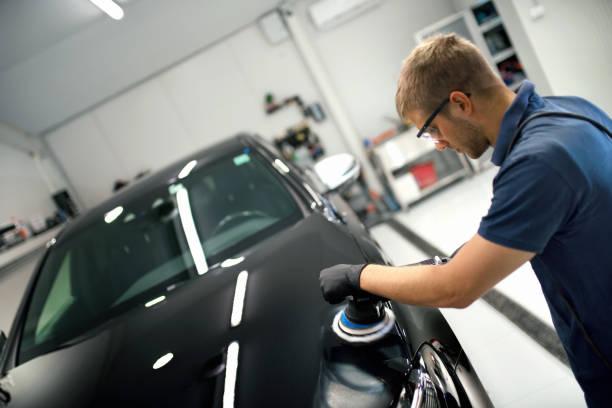
Car paint polishing is an essential aspect of vehicle maintenance that keeps your car’s exterior looking fresh and vibrant. Whether you’re dealing with scratches, dullness, or just want to bring out that showroom shine, polishing your car’s paint can make a dramatic difference. In this guide, we’ll cover the ins and outs of car paint polishing in San Diego, from understanding the process to choosing the right products and techniques.
What is Car Paint Polishing?
Car paint polishing is a process that involves the use of an abrasive compound to remove a fine layer of your car’s clear coat. This process eliminates surface imperfections such as scratches, swirls, and oxidation, leaving behind a smoother, shinier finish. Unlike waxing, which only adds a protective layer on top, polishing corrects flaws in the paint.
Benefits of Car Paint Polishing
Restores Shine: Regular polishing helps maintain the car’s glossy appearance.
Removes Surface Imperfections: Polishing can eliminate minor scratches, swirl marks, and oxidation.
Increases Paint Longevity: By removing contaminants and oxidation, polishing can prolong the life of your car’s paint.
Prepares the Car for Waxing: Polishing smooths out the paint, ensuring that the wax can adhere properly and last longer.
Types of Car Paint Polish
Cutting Polish: Ideal for removing deeper scratches and heavy oxidation. It’s more abrasive and should be used with caution.
Finishing Polish: Less abrasive and used for minor imperfections, adding a refined shine to the surface.
All-in-One Polish: Combines polishing and waxing in one step, providing both correction and protection.
How to Polish Your Car’s Paint: Step-by-Step
Wash Your Car
Before polishing, it’s crucial to thoroughly wash your car to remove any dirt, debris, or contaminants that could scratch the paint.
Clay Bar Treatment
For best results, use a clay bar to remove bonded contaminants that washing may have missed. This will ensure a smooth surface for polishing.
Choose the Right Polish
Select the appropriate polish based on the condition of your car’s paint. A cutting polish for heavy imperfections or a finishing polish for a lighter touch.
Apply the Polish
- By Hand: Use a foam or microfiber applicator pad. Apply a small amount of polish to the pad and work it into the paint using circular motions.
- With a Polishing Machine: If using a machine polisher, apply the polish to the pad and spread it over a small section of the car before turning on the machine. Work the polish into the paint with overlapping passes.
Buff the Surface
After applying the polish, use a clean microfiber towel to buff the surface. This removes any excess product and reveals a brilliant shine.
Apply Wax or Sealant
Once polishing is complete, it’s a good idea to apply a wax or sealant to protect the polished surface and keep it shining for longer.
Tips for Effective Car Paint Polishing
- Test First: Always start with a less abrasive polish in a small, inconspicuous area to see how your paint reacts.
- Use the Right Tools: While hand-polishing is effective, using a dual-action (DA) polisher provides better results with less effort.
- Work in Small Sections: Divide your car into sections and focus on one area at a time for even results.
- Don’t Overdo It: Polishing removes a layer of the clear coat, so it’s important not to polish too frequently to avoid damaging the paint.
FAQs
Q1: How often should I polish my car?
It depends on the condition of your car’s paint. Generally, once or twice a year is sufficient for most vehicles. Over-polishing can wear down the clear coat.
Q2: Can polishing remove deep scratches?
Polishing can remove minor surface scratches, but deeper scratches may require more intensive repair, such as touch-up paint or professional refinishing.
Q3: Is waxing necessary after polishing?
Yes, waxing or applying a sealant after polishing is highly recommended. Polishing removes a layer of the clear coat, and waxing adds protection to the exposed surface.
Q4: Can I polish my car if it’s already been waxed?
Waxing creates a barrier on your car’s paint, so it’s best to remove any wax by washing with a wax-removing soap before polishing.
Q5: Is it better to polish by hand or with a machine?
While hand-polishing is more affordable and can yield good results, a machine polisher provides a more uniform finish and is less tiring, especially for large vehicles.
Conclusion
Professional car paint polishing is a crucial step in maintaining the aesthetic and protective qualities of your vehicle’s paint. Whether you’re doing it yourself or taking it to a professional, understanding the process and using the right products will help you achieve that sought-after glossy finish. Polishing not only makes your car look new again but also adds value by protecting the paint and prolonging its lifespan.