K-pop might be all about glittering stages, perfect choreography, and catchy tunes, but behind the scenes, it’s not all sunshine and rainbows. Like any industry, K-pop has had its fair share of controversies—some shocking, some heartbreaking, and others outright infuriating. These scandals have rocked the industry, changed how fans see their idols, and even pushed the industry to change its practices.
Let’s get to know some of the biggest scandals in K-pop and explore how they’ve impacted the Kpop Singers industry.
1. The Burning Sun Scandal (2019)
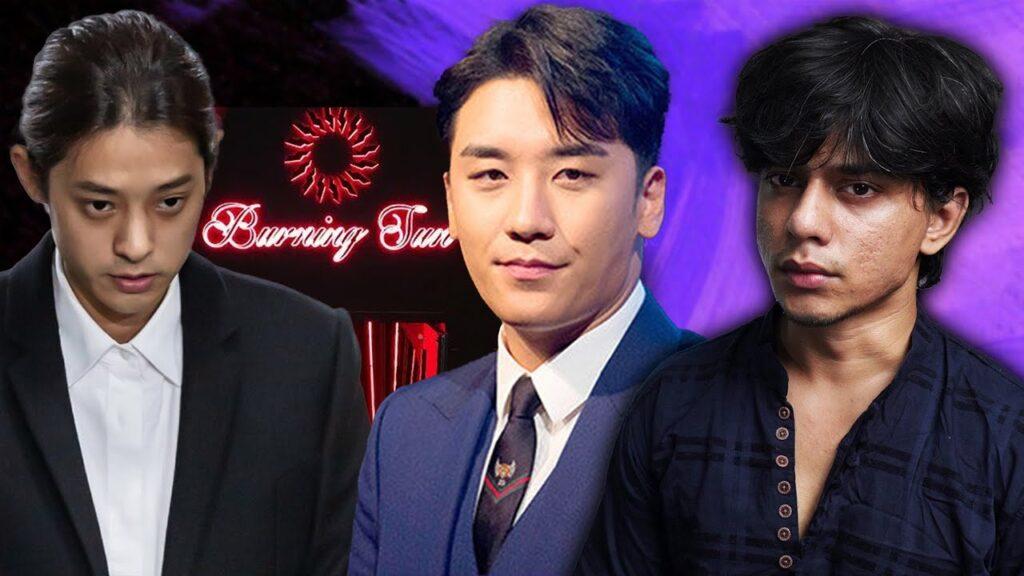
The Burning Sun scandal is one of the biggest controversies to ever hit K-pop. It all started with allegations of illegal activities at a nightclub in Seoul, co-owned by Seungri of BIGBANG. What followed was a massive investigation that uncovered crimes ranging from drug distribution and prostitution to police corruption.
Seungri announced his retirement from the entertainment industry as his involvement became clearer. The scandal didn’t just tarnish his image but it cast a shadow over YG Entertainment, one of the biggest K-pop agencies. Fans began to question the accountability of companies and the power dynamics between idols and the entertainment industry.
This scandal led to stricter laws around sexual crimes, more scrutiny of entertainment agencies, and heightened awareness of idol behavior.
2. JYJ vs. SM Entertainment (2009)
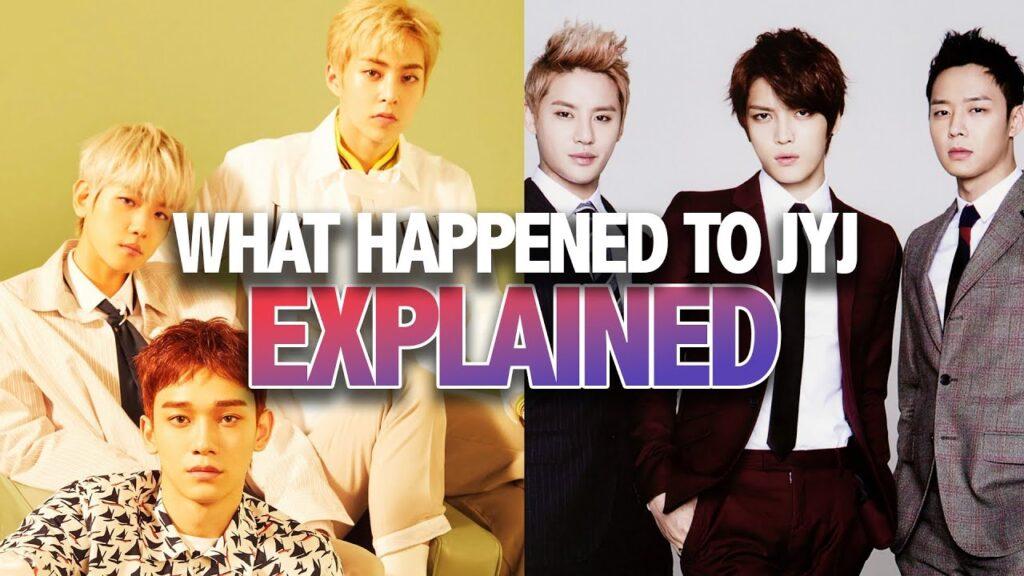
In 2009, three members of TVXQ (Jaejoong, Yoochun, and Junsu) filed a lawsuit against SM Entertainment over their 13-year “slave contract.” They argued that their contracts were excessively long, earnings were unfairly distributed, and the overall system was exploitative.
While the legal battle ended with the trio leaving SM and forming JYJ, it exposed the harsh realities of the K-pop trainee and idol system.
This lawsuit led to the South Korean Fair Trade Commission (FTC) stepping in to regulate contract lengths and ensure fairer practices. It was a wake-up call that idols aren’t just products; they’re individuals who deserve rights and proper treatment.
3. Black Ocean Moments
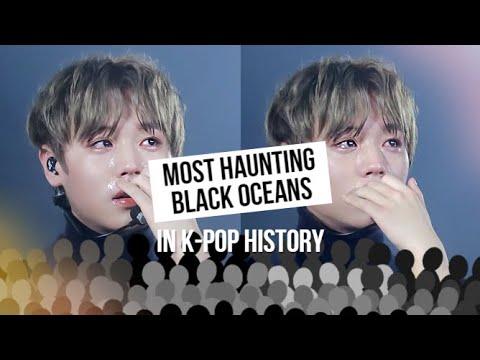
If you’ve been in the K-pop fandom long enough, you’ve probably heard of the dreaded “black ocean.” This happens when an entire audience turns off their light sticks to protest against a particular group during a performance.
One of the most infamous black oceans happened in 2008 at the Dream Concert, targeting Girls’ Generation. For 10 minutes, the arena went dark while the girls performed, leaving them to sing to a silent, unlit crowd. The reasons? Fan wars and misunderstandings between fandoms.
The black ocean incidents highlighted the toxicity within fandoms. Over time, fan culture has become more unified, with fans focusing on supporting their own idols rather than bringing down others.
4. The T-ARA Bullying Scandal (2012)
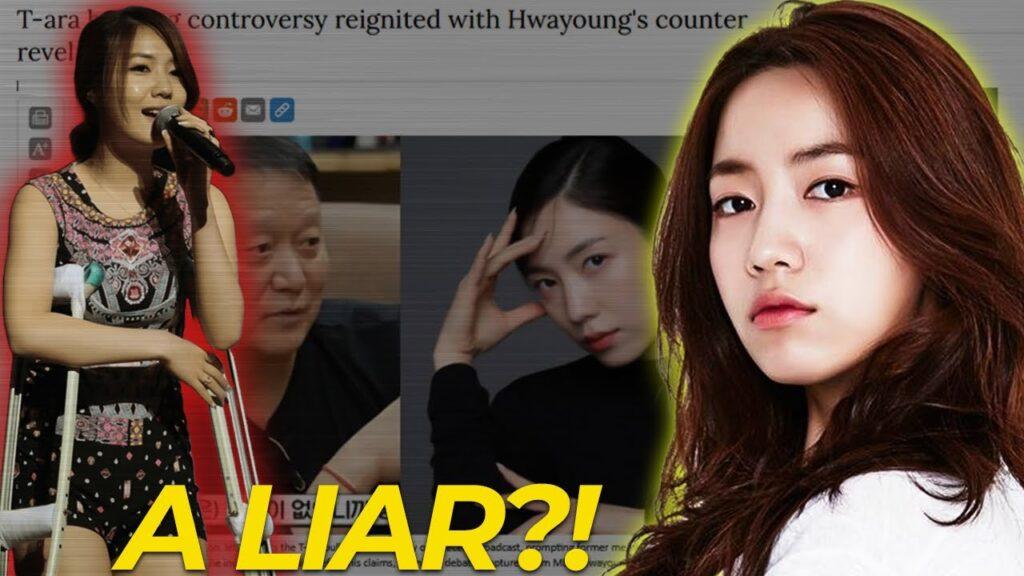
T-ARA was at the height of their career when rumors of bullying within the group appeared, with member Hwayoung reportedly being the victim. The allegations caused a massive backlash, leading to the group losing sponsorships, gigs, and even fans.
Years later, other members revealed that the rumors were blown out of proportion and that there was no real bullying. By then, however, the damage to T-ARA’s career was irreversible.
The scandal highlighted how quickly public opinion can turn against idols and the role social media plays in spreading unverified rumors.
5. Kim Hyun-joong’s Abuse Allegations (2014)
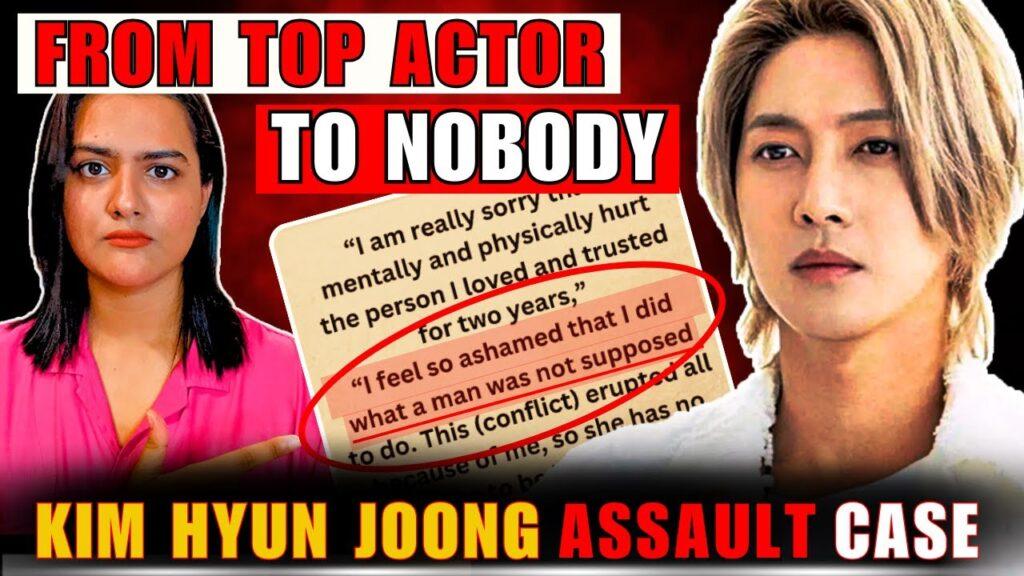
Kim Hyun-joong, a former member of SS501 and a popular actor, faced accusations of physical abuse from his ex-girlfriend in 2014. The legal battle dragged on for years, with both sides releasing conflicting statements and evidence.
The case divided fans and the public, as many struggled to reconcile the allegations with his clean-cut image.
The controversy brought attention to how idols’ private lives can clash with their public personas and it also showed that fans are increasingly unwilling to excuse problematic behavior, regardless of an idol’s fame or reputation.
6. The Jay Park MySpace Scandal (2009)
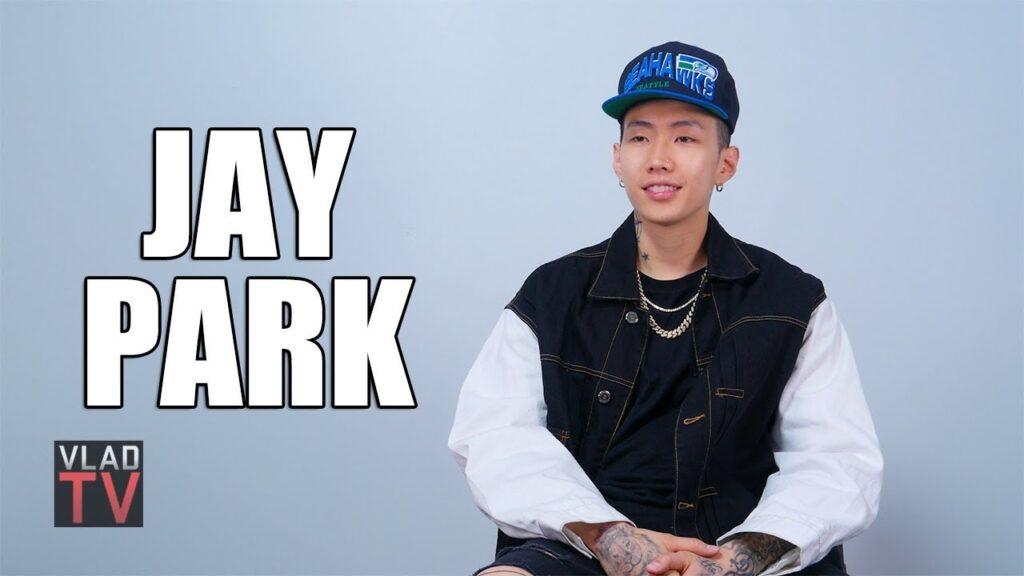
Before becoming a successful solo artist and CEO, Jay Park was a member of 2PM. In 2009, old MySpace posts surfaced where he vented frustration about living in Korea, calling it “whack.” The backlash was swift and harsh, leading to his departure from 2PM.
While the posts were later understood to have been taken out of context, the damage was done. Jay left Korea, only to return years later as a respected solo artist and entrepreneur.
The incident highlighted the intense scrutiny idols face, especially as foreigners in the Korean entertainment industry and also started conversations about cultural adjustment and the pressures idols face behind the scenes.
7. The Sulli and Goo Hara Tragedies (2019)

Two of K-pop’s brightest stars, f(x)’s Sulli and soloist Goo Hara, tragically passed away in 2019 due to suicide, sending shockwaves through the industry. Both had faced endless cyberbullying and media scrutiny throughout their careers.
Sulli was an advocate for women’s rights and mental health, but her progressive views often made her a target of criticism while Goo Hara had publicly struggled with personal issues, including a legal battle with an abusive ex-boyfriend.
Their deaths led to calls for stricter laws against cyberbullying and better mental health support for idols. It was a painful reminder of the immense pressure idols face to maintain a perfect image.
8. G-Dragon’s Marijuana Case (2011)
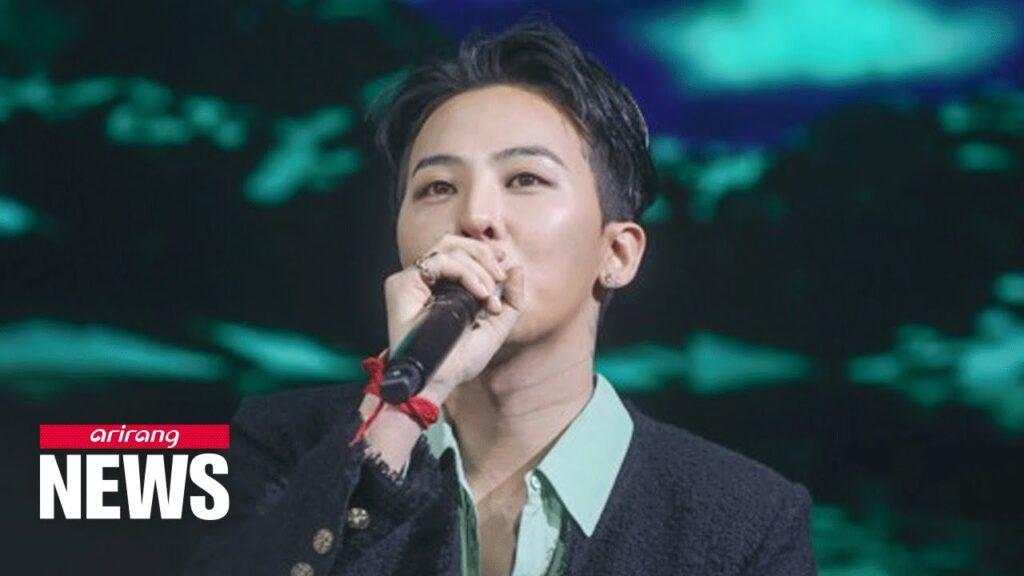
G-Dragon, BIGBANG’s leader, made headlines in 2011 when he tested positive for marijuana use. While he admitted to smoking unknowingly, the scandal caused a media frenzy and temporarily hurt his reputation.
This case sparked debates about drug laws in South Korea and how idols’ actions are judged more harshly than those of regular citizens. G-Dragon eventually bounced back, but the scandal served as a reminder of the unforgiving nature of public opinion.
9. Ilbe Controversies

Several idols, including TWICE’s Tzuyu and Red Velvet’s Irene, have faced backlash for incidents involving controversial political or cultural issues. Tzuyu was accused of being pro-Taiwanese independence which caused a massive uproar in China.
The incidents highlighted how idols are often caught in geopolitical issues, even when unintentional.
10. The “No Dating” Rule Scandals
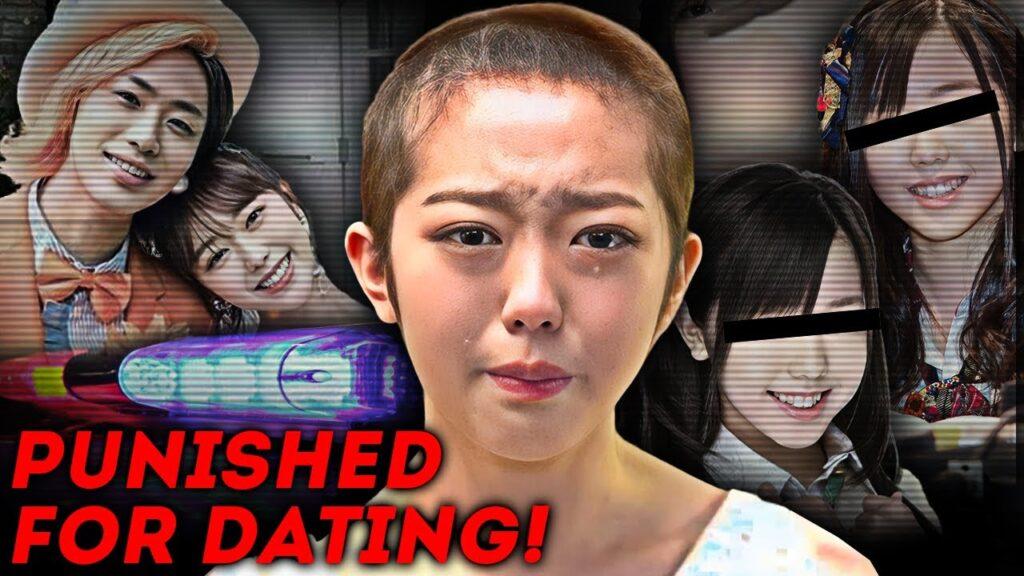
Many K-pop idols have faced scandals for simply dating, which is considered a “betrayal” by some fans. Popular examples include EXO’s Baekhyun and Girls’ Generation’s Taeyeon, who faced backlash when their relationship was revealed.
While dating scandals still occur, the industry and fans are gradually becoming more accepting of idols having personal lives.
How These Scandals in K-Pop Shaped the Industry
K-pop scandals have had both negative and positive effects on the industry. While they often expose its darker side, they also push for necessary changes. Over the years, the industry has implemented:
- Better Contracts: Following cases like JYJ’s, contract regulations have improved to protect idols.
- Mental Health Support: Agencies now pay more attention to their artists’ mental well-being, offering counseling and time off.
- Cyberbullying Awareness: Sulli and Goo Hara’s cases led to new anti-bullying laws.
- Public Accountability: Fans are holding idols and companies accountable for their actions, creating a more transparent industry.
While scandals can be devastating, they also serve as turning points for growth and reform in K-pop. As the industry continues to evolve, it’s clear that both idols and fans have a role to play in creating a healthier, more supportive environment for everyone involved.