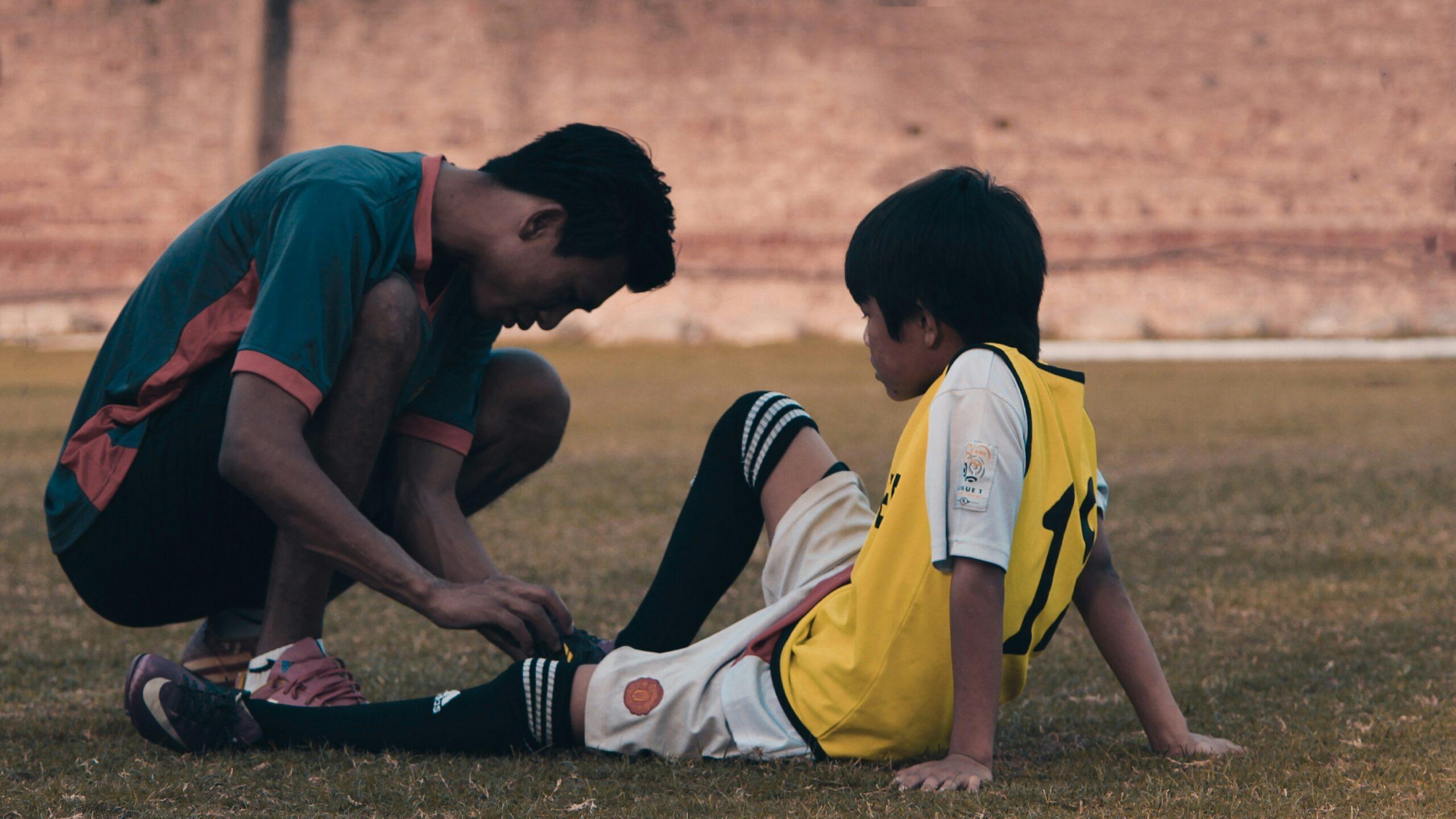
Sports injuries are a common part of an active lifestyle. Whether you’re a professional athlete or a weekend warrior, accidents can happen at any time. But how do doctors accurately diagnose these injuries to ensure the right treatment? The right diagnosis is crucial for recovery and avoiding long-term damage. From sprains to fractures, knowing how to properly assess an injury can make all the difference in treatment outcomes. In this blog, we’ll explore the most common sports injuries, and the diagnostic approaches used to treat them, focusing on the importance of CT scans for head injuries in getting the most accurate results.
Common Types of Sports Injuries
Injuries in sports can vary, but there are a few that are most seen across different sports. Understanding the types of injuries and their symptoms is the first step in getting the proper diagnosis and treatment.
- Sprains: These occur when ligaments (the tissues that connect bones) are stretched or torn, usually due to a sudden twist or impact. Common sprains involve the ankle or wrist.
- Strains: A strain happens when muscles or tendons are overstretched or torn. This typically happens in the hamstring, back, or shoulder muscles.
- Fractures: A break in the bone, often caused by a direct blow or intense pressure. Fractures may range from small cracks to complete breaks.
- Dislocations: When a bone is forced out of its normal position, often seen in the shoulder, knee, or finger joints.
- Concussions: A traumatic brain injury caused by a blow to the head, often seen in contact sports like football and soccer.
Knowing these injuries and their symptoms helps both athletes and doctors act quickly in diagnosing and treating them. Each injury has its own approach to diagnosis, which is essential for effective treatment.
Why Accurate Diagnosis is Critical in Sports Injuries
Accurate diagnosis is key to ensuring proper treatment for any injury. Misdiagnosing an injury can lead to longer recovery times, more severe damage, or even permanent disability. Take a concussion, for example – if not diagnosed early or correctly, it can lead to long-term cognitive problems and a higher risk of additional brain injuries. On the other hand, a simple sprain treated early on can be healed in a matter of weeks with proper care.
When athletes push themselves to the limit, rushing back into action before healing can cause lasting harm. That’s why prompt and accurate diagnosis is crucial. The use of modern diagnostic tools such as imaging techniques can prevent future complications and help pinpoint the most appropriate treatment.
Diagnostic Approaches for Sports Injuries
Several diagnostic approaches are used by healthcare professionals to determine the extent of a sports injury. These tools range from physical exams to advanced imaging techniques, each with its own advantages and limitations.
Physical Examination
When you first visit a healthcare provider, they’ll likely perform a physical exam. This includes checking for visible signs like swelling, bruising, or deformities, as well as testing for range of motion, strength, and tenderness. This helps doctors quickly narrow down the injury’s location and potential severity.
Imaging Techniques: X-rays, MRIs, and CT scans
- X-rays: Typically used to check for bone fractures or dislocations. It’s the go-to tool when a bone injury is suspected.
- MRIs: MRIs use powerful magnets and radio waves to capture images of soft tissues like muscles, ligaments, and tendons. They are great for diagnosing sprains, strains, and tears.
- CT scans: A CT scan is often used when more detailed imaging is needed, especially for complex bone fractures or head injuries. CT scans provide detailed cross-sectional images, allowing doctors to spot even the smallest fractures or internal bleeding.
Special Tests
In addition to these common diagnostic tools, there are also special tests designed to assess specific injuries. For example, stress tests can check for stability in joints, while range-of-motion tests can help pinpoint which ligaments or tendons are affected.
The Role of CT scans in Diagnosing Head Injuries
When it comes to diagnosing head injuries, especially concussions or skull fractures, CT scans play an irreplaceable role. Unlike X-rays, which primarily show bone structures, CT scans allow doctors to view both the bone and the surrounding soft tissues in detail. This makes CT scans an invaluable tool when it comes to diagnosing traumatic brain injuries.
Concussions, while sometimes difficult to diagnose through physical examination alone, can show up clearly on a CT scan. If an athlete experiences a blow to the head, a CT scan can quickly detect any brain swelling, bleeding, or fractures in the skull, which are critical to identify early. The faster the diagnosis, the quicker the athlete can receive treatment, reducing the risk of more severe complications down the road.
For athletes, the use of CT scans has helped prevent further brain injury, ensuring they don’t return to the game prematurely, which could lead to a more serious condition like second-impact syndrome.
Treatment Approaches Based on Diagnosis
Once an injury is diagnosed, it’s time for treatment, and the approach depends on the severity and type of injury. The goal of treatment is always to get the athlete back to their sport as quickly as possible without compromising their long-term health.
- Sprains and Strains: Often treated with rest, ice, compression, and elevation (R.I.C.E.). Severe cases may require physical therapy or even surgery if tendons or ligaments are torn.
- Fractures: These typically require immobilization, either with a cast or a splint, and may need surgery to realign the bones.
- Dislocations: Often requires a procedure to reposition the bone, followed by rehabilitation.
- Concussions: If a concussion is diagnosed, the athlete must follow a strict protocol for rest and gradual return-to-play guidelines, monitored by medical professionals.
The right treatment starts with the right diagnosis. Without accurate diagnostics, such as the use of a CT scan for accurate diagnosis in cases of head trauma, treatment may not be as effective.
Conclusion
Sports injuries can happen to anyone, but knowing how to get the right diagnosis and treatment can make all the difference in an athlete’s recovery. Whether through physical exams, imaging techniques, or specialized tests, accurate diagnostics are crucial in identifying the best course of action. CT scan for accurate diagnosis plays a pivotal role in diagnosing head injuries, helping ensure athletes make a full recovery without risking further harm.
If you suspect you’ve suffered an injury, don’t wait. Seek medical attention promptly and discuss diagnostic options with your healthcare provider. Ready to make sure your injury is properly assessed? Explore the diagnostic tools available to you today and get the treatment you need to recover faster and safer.