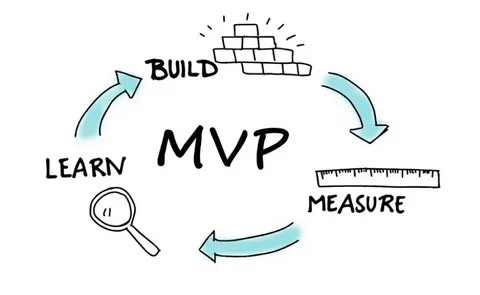
When developing a new product, one of the most critical decisions you’ll make is identifying the core features for your Minimum Viable Product (MVP). The MVP is a simplified version of your product that includes just enough functionality to solve a specific problem for your target audience. The idea behind an MVP is to launch quickly, test assumptions, and gather feedback without investing too much time or money into features that may not be necessary.
However, defining the right set of core features for your MVP is not always straightforward. With countless potential features to choose from, it can be difficult to decide which ones are essential for your product’s initial launch. In this article, we’ll walk you through the process of identifying the core features for your MVP and explain why this step is so important for the success of your product.
What Are Core Features for Your MVP?
Core features are the essential elements that address the primary problem your product is designed to solve. In the context of MVP development, these features represent the smallest, most basic version of your product that still provides value to your users. By focusing on these core features, you avoid unnecessary complexity, reduce time to market, and allow your product to be tested with real users.
The goal of defining core features for your MVP software solutions is to build a product that solves your target audience’s most pressing pain points while also giving you enough information to validate your ideas. Once you’ve identified the core features, you can launch your MVP, gather feedback, and iterate on the product in future releases.
Why Identifying Core Features Is Crucial
Before you dive into development, it’s important to understand why the process of identifying core features is so critical. If you include too many features in your MVP, you risk:
- Wasting resources on functionality that isn’t necessary.
- Delaying your launch, which could allow competitors to beat you to market.
- Confusing users with a product that’s too complex or difficult to use.
- Failing to focus on the core value proposition that your product promises.
By identifying only the most essential features for your MVP, you can:
- Accelerate your time to market, getting your product into users’ hands more quickly.
- Test key assumptions and validate demand with minimal risk and investment.
- Iterate quickly based on feedback, ensuring that future versions of the product are aligned with user needs.
- Save resources by focusing on what matters most, reducing both development time and costs.
Steps to Identify Core Features for Your MVP
1. Understand the Problem You’re Solving
The first step in identifying the core features for your MVP is to clearly understand the problem your product is solving. Your MVP should focus solely on providing a solution to this problem. Without a well-defined problem statement, it’s easy to get distracted by unnecessary features or functionalities that do not directly contribute to solving the issue at hand.
Ask yourself:
- What is the core problem my product is designed to solve?
- Who are my target users, and what specific pain points are they experiencing?
- Why is my solution better than current alternatives on the market?
Once you have a clear understanding of the problem, you can prioritize features that directly address this issue. Your MVP should not try to be everything to everyone—it should focus exclusively on the core problem and offer a simple, effective solution.
2. Define Your Value Proposition
Your MVP software solutions should clearly communicate the value your product brings to users. This value proposition is the unique benefit your product offers that existing solutions do not. When identifying core features, ask yourself:
- What are the essential elements that will deliver this value to users?
- Which features will allow users to experience the core value of my product right away?
- How can I present this value in the simplest form possible, without unnecessary complexity?
The value proposition guides your decision on which features should be prioritized. Focus on the core features that demonstrate the product’s value and differentiate it from competitors. Anything outside of this scope can be deferred to future iterations.
3. Prioritize Features Based on User Needs
At this stage, you should have a list of potential features for your MVP. To identify the core features, you need to prioritize them based on the needs of your users. A good way to do this is by mapping out the most critical pain points your target audience faces and determining which features are essential to solving those problems.
Consider the following when prioritizing:
- Must-Have Features: These are the features without which your product will not be able to solve the core problem. They should be included in your MVP.
- Nice-to-Have Features: These features are not essential for solving the core problem and can be added in future releases based on user feedback.
- Future Features: These features might be part of your product vision, but they are not necessary for the MVP. They should be saved for later iterations after gathering data from the MVP launch.
Use tools like the MoSCoW method (Must-have, Should-have, Could-have, Won’t-have) to help prioritize features. Focusing on the most critical needs of your target audience ensures that you build an MVP that delivers immediate value.
4. Map Out the User Journey
The user journey is the path that users take when interacting with your product. Mapping out this journey helps you identify the core features needed to enable smooth, intuitive interactions. By understanding the steps users will take from start to finish, you can identify the most critical features that will drive user engagement and satisfaction.
Ask yourself:
- What is the first interaction users will have with my product?
- What features will help users quickly understand the value of the product?
- What features are essential for guiding users through the process and ensuring they get the most value from the product?
By focusing on the user experience (UX) and identifying which features are necessary for a seamless, engaging journey, you can ensure that your MVP delivers immediate value and keeps users coming back.
5. Simplify and Eliminate Unnecessary Features
When developing an MVP, simplicity is key. Your goal is to create the smallest, simplest version of your product that still delivers value. This means you need to eliminate unnecessary features that do not directly contribute to solving the core problem.
Look at your feature list and ask:
- Does this feature directly address the core problem we’re solving?
- Is this feature essential for delivering the core value of the product?
- Can this feature be deferred to later iterations without impacting the MVP’s effectiveness?
By eliminating non-essential features, you can avoid building a product that’s overly complex or difficult to use. Focus on building a clean, straightforward MVP that delivers a clear, simple solution to your users’ problem.
6. Consider the Technical Feasibility
While it’s tempting to build every feature you can imagine, the technical feasibility of your MVP should also be considered. Your MVP is meant to be developed and launched quickly, so it’s important to assess whether certain features are technically feasible within your budget and timeline.
Ask yourself:
- Are the core features technically feasible to implement in the time frame and budget available?
- Do I need to develop custom features, or can I rely on existing solutions or frameworks?
- How will adding features impact the overall complexity of the MVP?
By considering technical feasibility, you ensure that the MVP you build is realistic, achievable, and can be launched within the desired timeframe.
7. Test and Validate Assumptions
One of the most important aspects of an MVP is its ability to test and validate your assumptions. Once you’ve identified the core features for your MVP, you’ll want to test those assumptions with real users. This means gathering user feedback early and often to ensure that the features you’ve prioritized are the ones that resonate most with your target audience.
Ask:
- Are users engaging with the core features as expected?
- Do they see value in the product’s simplicity, or do they want more advanced features?
- Are there any unexpected pain points or obstacles that prevent users from experiencing the product’s core value?
Based on user feedback, you may find that certain features need to be refined, or new features need to be prioritized. The process of testing and validating assumptions ensures that your MVP is on the right track.
Conclusion: Identifying Core Features Sets the Foundation for Success
Identifying the core features for your MVP development is a critical step in creating a product that delivers real value to users. By focusing on solving the core problem, defining your value proposition, prioritizing based on user needs, and simplifying your feature set, you ensure that your MVP is a lean, efficient product that validates your assumptions and sets the stage for future growth.
The core features you choose will form the foundation for your product’s success, so it’s important to take the time to carefully assess each feature’s relevance and impact. Once your MVP is launched, you can gather real-world feedback, iterate, and continue to build upon your product based on user insights.
By following these steps, you can launch your MVP quickly with the most essential features, test it with real users, and refine your product into something that truly meets their needs. If you’re ready to move forward, build your MVP today and start the journey toward building a successful product that resonates with your audience.