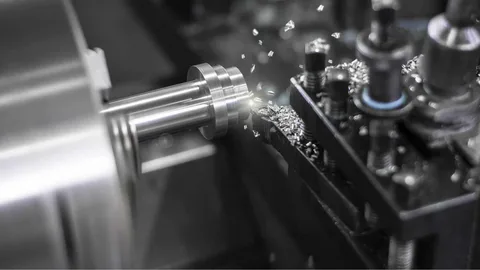
In today’s fast-paced manufacturing landscape, companies are constantly seeking ways to enhance efficiency, reduce costs, and improve product quality. CNC machining and automation are two technologies at the forefront of this transformation. By combining the precision of CNC (Computer Numerical Control) machining with the capabilities of automation, manufacturers can achieve unparalleled production optimization. Below, we explore the symbiotic relationship between these technologies and how they are redefining the industrial sector.
The Role of CNC Machining in Modern Manufacturing
CNC machining is a cornerstone of modern manufacturing, offering precision and reliability unmatched by traditional machining methods. This technology utilizes computerized controls to manage the operation of machine tools, such as lathes, mills, and grinders. The result is a highly accurate and repeatable process that minimizes human error while enabling the production of complex components with tight tolerances. Industries such as aerospace, automotive, and medical device manufacturing rely heavily on CNC machining for its ability to handle high-volume production without compromising quality.
Beyond precision, CNC machining also offers unparalleled flexibility. Manufacturers can quickly adapt to new product designs by reprogramming the CNC system, reducing downtime and enhancing productivity. This adaptability makes CNC machining an indispensable tool for meeting the demands of dynamic markets, particularly when integrated with automation technologies.
The Integration of Automation in CNC Machining
Automation enhances the capabilities of CNC machining by streamlining workflows and reducing manual intervention. Robotic arms, conveyor systems, and automated material loaders are commonly used to complement CNC machines, enabling them to operate continuously with minimal supervision. This integration not only boosts production speed but also significantly lowers labor costs. As a result, companies can achieve higher throughput while maintaining consistent product quality.
One of the most significant benefits of combining CNC machining with automation is the ability to operate 24/7. With automated systems handling repetitive tasks, human operators can focus on higher-value activities such as quality assurance and process optimization. This shift reduces the risk of burnout and human error, ultimately leading to a more sustainable and efficient production process.
Advantages of CNC Machining in Automation for Cost Efficiency
The integration of CNC machining and automation has a profound impact on cost efficiency. Automated CNC systems require fewer operators, translating to significant labor savings. Additionally, these systems reduce material waste through precise machining and optimized workflows, further lowering production costs. For manufacturers, this combination means more competitive pricing and higher profit margins.
Moreover, the reduction in downtime achieved through automation enhances overall equipment effectiveness (OEE). Automated maintenance alerts, real-time monitoring, and predictive analytics ensure that CNC machines remain operational with minimal disruptions. This proactive approach to maintenance minimizes costly delays, allowing manufacturers to meet tight deadlines and maintain customer satisfaction.
Enhancing Quality Control with CNC Machining and Automation
Quality control is a critical aspect of manufacturing, and CNC machining in automation excels in this domain. Automated systems can integrate advanced sensors and inspection tools to monitor the quality of machined components in real-time. This capability allows manufacturers to detect and address defects early in the production process, reducing the likelihood of costly rework or product recalls.
In addition to real-time monitoring, automated CNC systems can generate detailed data reports, offering insights into process performance and areas for improvement. These data-driven approaches empower manufacturers to achieve consistent quality while meeting stringent industry standards. By leveraging CNC machining and automation, companies can ensure that their products meet or exceed customer expectations.
Future Trends in CNC Machining and Automation
The future of CNC machining in automation is poised for even greater advancements with the integration of artificial intelligence (AI) and the Internet of Things (IoT). AI-powered systems can analyze large datasets to optimize machining parameters, predict equipment failures, and improve overall efficiency. Meanwhile, IoT connectivity enables seamless communication between machines, creating smart factories that are more responsive and adaptable.
Sustainability is another area where CNC machining and automation will play a crucial role. Energy-efficient machinery, combined with automated recycling systems, will help manufacturers reduce their environmental footprint. As these technologies continue to evolve, the synergy between CNC machining and automation will drive the next wave of innovation in production processes.
Conclusion
The integration of CNC machining and automation is revolutionizing the manufacturing industry, offering unmatched precision, efficiency, and cost savings. By leveraging these technologies, manufacturers can streamline production, enhance quality control, and stay competitive in a rapidly evolving market. As advancements in AI and IoT further refine these capabilities, the future of CNC machining in automation promises to be even more transformative, paving the way for smarter, more sustainable manufacturing practices.