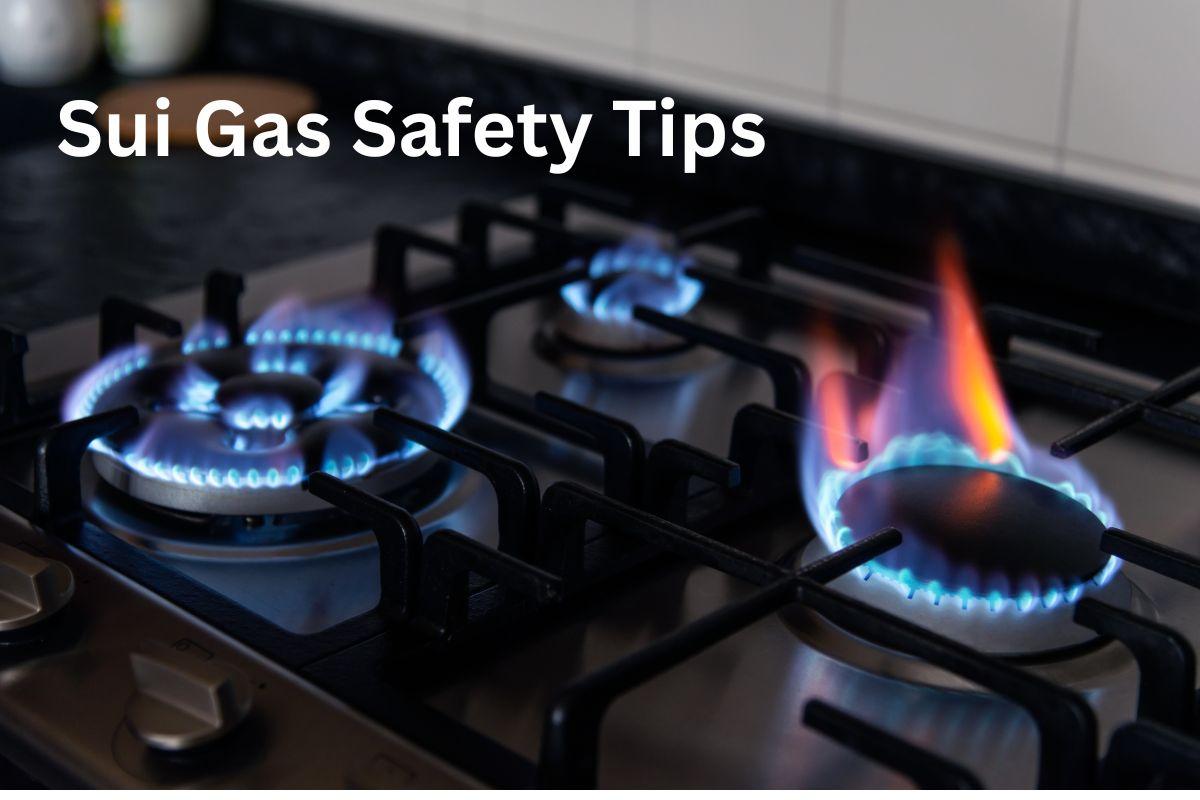
Sui gas is used in almost every household across Pakistan for cooking, heating water, and running heaters in winter. While it offers convenience and affordability, it also carries serious risks if not handled properly. Gas leaks, faulty appliances, and poor ventilation can lead to suffocation, fires, or even explosions.
Many people think they’re safe just because they haven’t had a problem yet. But gas-related incidents often happen silently and without warning. That’s why learning and applying Sui gas safety tips at home isn’t optional ,it’s necessary for your family’s well-being.
When Daily Habits Become Dangerous
Simple things like leaving the burner on, ignoring gas smell, or using old rubber pipes can create deadly situations. Most gas accidents occur due to small mistakes repeated over time. A proactive approach can make your home safer without major changes.
Spotting the Early Signs of Danger
How to Detect a Gas Leak before It’s Too Late
Recognizing a gas leak early can save lives. The most obvious sign is the smell a strong odor similar to rotten eggs. This artificial smell is added to natural gas to help users detect leaks. Another sign is a faint hissing noise near a pipe or stove. Sometimes, even unexpected increases in your monthly gas usage may indicate a silent leak somewhere in your home.
Monitoring your usage pattern is one way to stay alert. You can do these using tools like the SSGC online bill check, which helps you track abnormal spikes that may signal leakage.
Where to Check First
The kitchen is the most common area for leaks, followed by geysers and gas heaters. Regularly check pipe joints, the back of your stove, and near valves for any signs of wear, rust, or moisture. If you suspect a leak, act fast don’t wait for confirmation.
Everyday Habits That Ensure Sui Gas Safety
Preventive Measures That Actually Work
A few everyday practices can greatly reduce the risk of gas-related hazards. First, always turn off the stove knob and main gas valve after cooking. Keep flammable items away from gas appliances. And make sure your children understand the basic dos and don’ts of gas safety.
Make ventilation a habit, not an afterthought. Never operate a heater or geyser in a tightly closed room. Proper airflow prevents gas buildup and ensures oxygen levels remain safe.
Maintain and Replace Critical Parts
Gas appliances, like any equipment, need maintenance. Check for loose connections, worn-out pipes, or corroded burners. Replace rubber pipes every 6 to 12 months, even if they seem fine. Cheap repairs often cost more in the long run when safety is ignored.
Hire a licensed technician once a year to inspect all fittings, especially if you live in an old building. A small investment in maintenance can prevent major accidents.
What to Do in a Sui Gas Emergency
Stay Calm and Act Quickly
If you smell gas or suspect a leak, don’t panic but don’t waste time either. Open all doors and windows immediately to allow ventilation. Turn off the main valve and avoid turning any electrical switches on or off, as even a spark could trigger a fire.
Do not light a match or use a lighter to “check” for leaks. Call your local gas emergency number or SSGC’s helpline from outside your house, or ask a neighbor to assist.
Be Prepared Before Trouble Starts
It’s not enough to know what to do you must prepare for emergencies before they happen. Keep important phone numbers displayed near the kitchen or main entrance. Make sure every adult in the house knows where the main valve is and how to shut it off.
Also, always keep your latest gas bill accessible. You can use the SSGC duplicate bill download PDF option to store a digital copy on your phone. It’s often needed during emergency calls or when contacting the gas company for technical support.
Final Safety Check – Is Your Home Truly Safe?
A Homeowner’s Responsibility Doesn’t End
Many homeowners install gas appliances and then forget about them. But safety doesn’t work like that. Ongoing attention is the key to keeping your home protected. Create a monthly or seasonal checklist to inspect all gas points in your home. Teach your family members how to spot and report problems, especially children and the elderly.
You don’t need advanced tools to stay safe just regular attention and smart habits. Keeping windows slightly open while using heaters, switching off the gas before sleeping, and checking rubber pipes can go a long way.
Safety Is Everyone’s Job
It’s easy to think that Sui gas safety is the technician’s job, or that accidents only happen to careless people. But the truth is that danger can come even when you’re careful especially if your safety routine stops once the appliance is installed.
Reinforce the importance of applying Sui gas safety tips year-round, not just during winter. This habit will help you avoid emergencies, protect your property, and ensure peace of mind for everyone at home.
Conclusion
Gas safety isn’t just a seasonal concern or a checklist item, it’s a daily responsibility. By following simple habits, checking for leaks, and maintaining your appliances, you can protect your family from serious risks. Always stay alert for warning signs and prepare your home for emergencies before they happen.
With small steps and regular awareness, applying Sui gas safety tips becomes second nature. A safe home is a peaceful home and your attention today can prevent a disaster tomorrow.