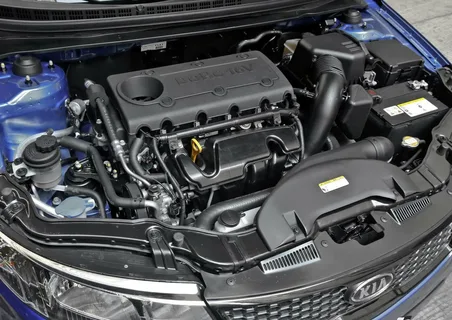
When it comes to your vehicle, the starter motor is like the unsung hero of everyday driving—quietly working behind the scenes to bring your car to life with just a turn of the key. But what happens when this crucial component starts showing signs of fatigue? In this blog post, we’ll dive into the world of Kia Cerato starter motor, guiding you through essential tests and checks that can ensure optimal performance. Whether you’re a seasoned DIY enthusiast or a curious car owner looking to extend your Kia’s lifespan, our comprehensive guide will empower you with the knowledge needed to keep your Cerato running smoothly.
Understanding the Kia Starter Motor
The starter motor is a vital component of any vehicle’s engine, including the Kia Cerato. It is responsible for turning the engine over and getting it to start. Understanding how the starter motor works and how to test it for optimal performance is crucial in ensuring the smooth functioning of your car.
Structure and Function:
The starter motor is an electric motor that converts electrical energy into mechanical energy. It consists of several key components, including a powerful DC electric motor, a solenoid, and a gear system. When you turn the ignition key, an electrical signal from the battery activates the solenoid, which then engages the starter gear with the flywheel on the engine. The rotation of this gear turns over the engine and starts its combustion process.
Testing for Optimal Performance:
Regular testing of your Kia starter motor can help identify potential issues before they escalate into major problems. There are several ways to test your starter motor’s performance:
1. Voltage Test:
This involves checking the voltage at various points in the starting circuit using a voltmeter. A reading below 10 volts indicates an issue with either the battery or connections.
2. Current Draw Test:
With this test, you measure how much current is being drawn by your starter when starting up your engine. High readings may indicate worn-out brushes or other internal issues.
3. Starter Bench Test:
You can also remove your starter from your vehicle and perform a bench test using jumper cables to see if it still functions correctly without being connected to your car’s electrical system.
Importance of Maintaining Your Car’s Starter Motor
The starter motor is an essential component of any vehicle’s ignition system. It is responsible for initiating the engine’s combustion process by cranking the engine and providing it with the necessary power to start running. As such, maintaining your car’s starter motor is crucial for ensuring optimal performance and longevity of your vehicle.
One of the main reasons why it is important to maintain your car’s starter motor is to avoid unexpected breakdowns. A malfunctioning or failed starter motor can leave you stranded on the side of the road, causing inconvenience and potentially costly repairs. Regularly testing and maintaining your starter motor can help detect any issues before they become major problems, allowing you to address them promptly and prevent unexpected breakdowns.
Moreover, a well-maintained starter motor can improve your car’s overall performance. A faulty or worn-out starter motor can put unnecessary strain on other components of the ignition system, such as the battery and alternator. This extra strain not only affects their performance but also shortens their lifespan. By keeping your starter motor in good condition, you can ensure that these other components are not overworked and function optimally.
Signs of a Faulty Engine Starter Motor Suit Cerato
The engine starter motor is a crucial component of any vehicle, including the Kia Cerato. It is responsible for starting the engine by turning the flywheel, which in turn starts the combustion process. A faulty starter motor can cause a lot of inconvenience and frustration for car owners, as it can prevent their vehicle from starting or cause it to fail unexpectedly while on the road.
In this section, we will discuss some common signs that may indicate a faulty engine starter motor in your Kia Cerato. These signs should not be ignored and must be addressed promptly to avoid further damage and potential safety hazards.
1. Engine Cranking But Not Starting
One of the most obvious signs of a faulty Engine Starter Motor Suit Cerato is when you try to start your car but only hear a clicking noise or no sound at all. This indicates that the starter motor is not able to engage with the flywheel properly. In such cases, even if your battery has enough charge, your engine will not start.
2. Grinding Noise When Starting
If you hear a grinding noise when trying to start your Kia Cerato, it could mean that there is an issue with the gears inside the starter motor. This noise occurs when teeth on these gears are worn out or damaged and are unable to mesh properly with each other.
3. Slow Cranking
A healthy starter motor should crank quickly and smoothly when starting your vehicle’s engine. If you notice that it takes longer than usual for your car to start or that there is a delay between turning the key and hearing the cranking sound, it could be due to a weak or faulty starter motor.
How to Test Your Kia Starter Motor
The starter motor is a crucial component of your Kia Cerato’s engine, responsible for starting the ignition process and getting your car up and running. However, just like any other part of your vehicle, the starter motor can experience wear and tear over time, leading to potential issues and malfunctions. That’s why it’s important to regularly test your Kia starter motor for optimal performance.
In this section, we will guide you through the step-by-step process of testing your Kia starter motor. Before we begin, make sure that you have all the necessary tools such as a multimeter, jumper cables, and a fully charged battery.
Step 1: Prepare Your Vehicle
To properly test your Kia starter motor, you need to make sure that your vehicle is in a safe and stable position. Park on level ground and engage the parking brake before proceeding with the tests.
Step 2: Check Battery Voltage
Using a multimeter set to DC voltage mode, check the voltage of your car battery. A fully charged battery should read around 12.6 volts. If it reads below 12 volts, then it may be time to replace or recharge your battery before continuing with the tests.
Step 3: Inspect Starter Connections
Before moving on to testing the actual starter motor, it’s essential to inspect all connections related to it. Make sure that all wires are securely connected and free from corrosion or damage.
Step 4: Test Solenoid Functionality
The solenoid is an electromagnetic switch responsible for engaging the starter gear with the flywheel when you turn on the ignition key. To test its functionality, use jumper cables to connect one end of its positive terminal directly to the positive terminal of your car battery while connecting its negative terminal directly to any metal surface on the engine block. If there is no clicking sound heard when connecting these terminals or if there are sparks flying out from them during connection, then it’s likely that the solenoid needs to be replaced.
Tips for Maintaining and Extending the Lifespan of Your Starter Motor
Maintaining and extending the lifespan of your starter motor is crucial for ensuring optimal performance of your vehicle. A well-maintained starter motor can save you from unexpected breakdowns and costly repairs. In this section, we will discuss some important tips that can help you keep your Kia starter motor in top condition.
1. Keep the Starter Motor Clean:
One of the basic maintenance practices for any vehicle component is to keep it clean. The same goes for your starter motor too. Regularly check for any dirt, debris, or moisture buildup on the starter motor and clean it off using a dry cloth or brush. This will prevent any potential damage caused by these contaminants and ensure smooth functioning.
2. Check the Battery Connections:
Your Kia starter motor relies heavily on the battery to provide power and start the engine. Therefore, it is important to check the battery connections regularly and make sure they are tight and free from corrosion. Loose or corroded connections can cause a weak current flow, leading to starting issues.
3. Use Quality Engine Oil:
The engine oil not only lubricates but also cools down various components of your vehicle’s engine, including the starter motor. It is essential to use high-quality engine oil that meets the manufacturer’s specifications to ensure proper lubrication and cooling of the starter motor.
Troubleshooting for the Kia Starter Motor
The starter motor is an essential component of your Kia Cerato’s engine, responsible for starting the ignition process. However, like any other mechanical part, it can experience issues that affect its performance. In this section, we will discuss some common troubleshooting techniques for the Kia starter motor.
1. Check the Battery:
The first step in troubleshooting your starter motor is to check the battery’s condition. A weak or dead battery can prevent the starter from receiving enough power to start the engine. You can use a multimeter to test the battery’s voltage and ensure that it is within the recommended range.
2. Inspect Electrical Connections
: Loose or corroded electrical connections can also cause problems with your Kia starter motor. Make sure all connections are secure and free from corrosion or damage.
3. Listen for Unusual Noises:
If you hear clicking or grinding noises when trying to start your car, it could be a sign of a faulty starter motor. These noises indicate that something is preventing the starter gear from engaging with the flywheel properly.
4. Check for Faulty Wiring:
Damaged or broken wiring can also cause issues with your Kia’s starter motor. Inspect all wires leading to and from the starter and replace any damaged ones.
5. Test Solenoid Functionality:
The solenoid is responsible for activating the starter gear when you turn on your vehicle’s ignition switch. If it fails, it will prevent your car from starting altogether. Testing its functionality using a multimeter can help determine if it needs replacement.
Conclusion
In conclusion, properly testing and maintaining your Kia Cerato starter motor is crucial for ensuring optimal performance and preventing any unexpected breakdowns. By following these simple tips and regularly checking the condition of your starter motor, you can save yourself from costly repairs in the long run. Don’t underestimate the importance of this component in your vehicle and take care of it to ensure a smooth driving experience every time. Remember, a well-maintained starter motor means a reliable car on the road. Overall, keeping your Kia Cerato’s starter motor in top condition should not be overlooked.
FAQS
1. What is a Kia Cerato starter motor and why is it important in a car?
A Kia Cerato starter motor, also known as a cranking motor, is an electric motor that is responsible for starting the engine of a car. It works by drawing electrical power from the battery and converting it into mechanical energy to turn the engine’s flywheel, which then starts the combustion process in the engine. Without a functioning starter motor, your car will not be able to start.
2. How can I tell if my Kia starter motor needs to be replaced?
There are several signs that may indicate a faulty starter motor in your Kia Cerato. These include difficulty starting the car or no response when turning the key, strange noises such as clicking or grinding sounds when trying to start the car, and dimming of headlights when attempting to start the car. If you experience any of these issues, it is recommended to have your starter motor checked by a professional mechanic.
3. Is it possible to test my Kia starter motor myself?
Yes, there are some simple tests that you can perform at home to check the functionality of your Kia Cerato’s starter motor. One way is by using a voltmeter to measure the voltage at both ends of the battery cable while someone attempts to start the car. If there is no voltage present or only minimal voltage readings (below 12V), it could indicate an issue with the battery or alternator rather than with the starter motor itself.
| Related Business Listings |
| Contact Directory |
| Local Business Profiles |