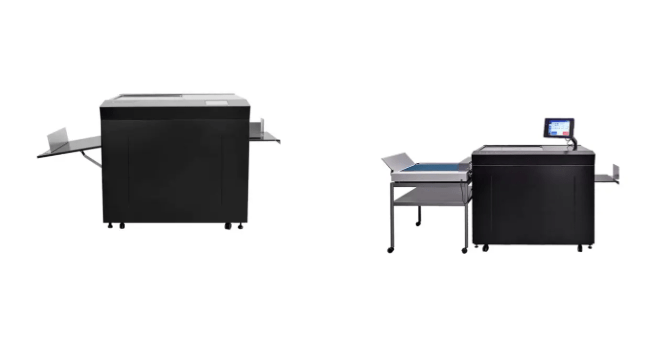
Die cutting machines have come a long way since their inception, evolving from simple manual devices to sophisticated digital systems. These machines, which use dies to cut, shape, or emboss materials, have become essential in industries ranging from manufacturing and packaging to crafting and printing. In this article, we’ll explore the evolution of die cutting machines, from their humble manual beginnings to the high-tech, digital devices used today.
The Early Days of Die Cutting: Manual Machines
The concept of die cutting dates back to the 19th century, when the first manual die cutting presses were introduced. These early machines were used primarily in the textile industry to cut fabric into specific shapes, making them an important tool for garment manufacturers. The process was simple: a metal die with the desired shape was placed against the material, and pressure was applied manually to cut through it.
Key Features of Early Manual Die Cutting Machines:
- Simple Mechanism: These machines typically used a hand crank or lever system to apply pressure, requiring physical effort to operate.
- Limited Material Options: The primary materials used for die cutting were paper, fabric, and leather, with limited ability to work with thicker or more complex materials.
- Small Scale Production: These machines were primarily used for small-scale production, often in artisan or small business settings.
Although they were labor-intensive, manual die cutting machines provided an efficient solution for creating uniform shapes for textiles, cards, and other products, paving the way for future innovations.
The Rise of Mechanical Die Cutters
As industries grew and demand for faster, larger-scale production increased, the need for more powerful die cutting machines became apparent. In the mid-20th century, mechanical die cutting presses were introduced, which significantly improved speed, precision, and the ability to work with thicker materials.
These mechanical presses were powered by motors rather than manual effort, allowing for faster and more consistent production. The die cutting process was still primarily mechanical, with the die pressing into the material through hydraulic or pneumatic pressure. These machines could handle more complex designs and a wider range of materials, such as plastic, rubber, and foam.
Key Features of Mechanical Die Cutters:
- Motorized Operation: The machines were powered by electricity or hydraulic systems, increasing speed and automation.
- Increased Capacity: They could handle large volumes of material, making them suitable for industries like packaging, automotive, and printing.
- Improved Precision: The use of motorized systems allowed for better accuracy and finer details in cutting.
Mechanical die cutting machines were widely adopted in industries that required large production runs, such as packaging and automotive manufacturing, where precise, consistent cuts were critical.
The Digital Revolution: Computerized Die Cutters
With the rise of digital technology in the late 20th century, die cutting machines evolved again, moving from purely mechanical systems to computerized, automated devices. The introduction of digital die cutters revolutionized the industry by offering greater flexibility, precision, and ease of use. These machines use computer-controlled systems to operate, meaning that users can create complex designs, adjust parameters, and even make changes on the fly.
Digital die cutters combine the cutting power of traditional mechanical machines with the precision and versatility of digital technology. By using digital files (such as PDFs or vector images), operators can control every aspect of the cutting process, from the shape of the cut to the speed and pressure applied. This capability allows for intricate designs that would have been difficult or impossible to achieve with mechanical die cutters.
Key Features of Digital Die Cutters:
- Computer Control: Digital die cutters use computer-aided design (CAD) software to create and control cut patterns, making it easier to modify and refine designs.
- Increased Flexibility: With digital technology, users can work with a variety of materials, from paper and vinyl to fabric and foam, and quickly adapt designs for different products.
- Customization: Digital die cutters enable custom and on-demand printing, making them ideal for industries like packaging, signage, and fashion, where personalization is key.
- Precision and Speed: Digital cutters can achieve high levels of precision, cutting even the most intricate designs quickly and consistently.
Digital die cutting has become a game-changer for small businesses, craft enthusiasts, and large-scale manufacturers. It allows for faster prototyping, lower production costs, and a greater variety of product designs.
The Future of Die Cutting: Advanced Technologies and Automation
Today, die cutting machines continue to evolve, integrating even more advanced technologies and automation to improve efficiency, accuracy, and production capabilities. One of the most notable advancements is the use of laser die cutting, which employs a laser beam to cut or engrave materials. Laser die cutters provide extremely high precision, which is ideal for detailed designs and materials that would be difficult to cut with traditional methods.
Key Features of Modern Die Cutting Machines:
- Laser Cutting: Laser die cutting offers unparalleled accuracy and the ability to cut through a wide variety of materials, including metal, wood, and acrylic.
- Fully Automated Systems: Many modern die cutting machines are fully automated, requiring minimal human intervention. These systems often include automatic feeding, cutting, and stacking, which increases production speed and reduces labor costs.
- Multifunctional Capabilities: Advanced die cutting machines can also emboss, score, and perforate materials in addition to cutting, offering more versatility for a range of applications.
- Smart Integration: New die cutters are often connected to the Internet of Things (IoT), allowing for real-time monitoring, troubleshooting, and maintenance tracking to ensure the machine runs at peak efficiency.
The continued integration of artificial intelligence (AI), robotics, and IoT in die cutting machines will make them even more efficient, cost-effective, and capable of handling a wide range of materials and applications. The future of die cutting looks promising, with ongoing advancements enabling businesses to create more innovative and intricate designs faster than ever before.
Conclusion
From its humble beginnings as a manual process to its current state as a digital and automated powerhouse, the evolution of die cutting machines reflects the broader trends in industrial innovation. As technology continues to advance, die cutting machines are becoming faster, more precise, and more versatile, allowing industries to meet the growing demand for custom products and rapid production. Whether for craft applications or large-scale manufacturing, die cutting machine have evolved to become indispensable tools that drive innovation in design and manufacturing across the globe.