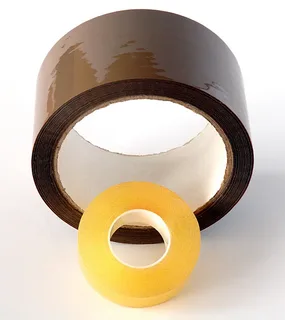
Sticky Tape is more than just a simple household item; it’s a versatile tool that has evolved over centuries to meet the needs of various industries and everyday tasks. From wrapping gifts to securing necessary documents, this seemingly humble adhesive marvel plays an essential role in our lives. But have you ever stopped to think about its fascinating journey? Join us as we explore the evolution of Sticky-Tape, tracing its origins from ancient times through modern advancements. We’ll delve into the different materials used, typical applications, and some surprising specialty uses that highlight how innovative this everyday item can be.
The History of Tape: From Ancient Times to Modern Day
Tape has a surprisingly rich history that dates back to ancient civilizations. Early forms of adhesive materials were made from natural substances like tree sap and animal hides. Ancient Egyptians used papyrus strips glued together, showcasing the need for sticking items.
Fast forward to the 1840s when Dr. Horace Day invented surgical tape, revolutionizing medical practices; this was a critical turning point in how tape could be utilized beyond basic needs. The creation of pressure-sensitive adhesive by Richard Drew in 1925 led to the birth of cellophane tape. Its straightforward design opened doors for countless applications in homes and offices alike.
As technology progressed, so did our understanding of adhesives. The introduction of duct tape during World War II demonstrated its versatility and durability under challenging conditions, cementing its place in everyday life today.
The Evolution of Sticky-Tape Materials
Sticky-Tape materials have come a long way since their inception. Originally, tapes were made from simple paper and adhesive that lacked versatility. They served primary purposes but didn’t offer much durability or flexibility.
As technology progressed, so did the materials used in Sticky-Tape construction. The introduction of synthetic adhesives revolutionized the industry, allowing for stronger bonds and improved resistance to temperature variations. Today’s specialty tapes incorporate advanced polymers and unique backing materials like fabric or plastic films. This evolution means you can find tapes explicitly designed for electrical applications, automotive repairs, or medical uses.
Environmental considerations are now influencing tape production as well. Eco-friendly options made from recycled materials are gaining traction among consumers who prioritize sustainability without sacrificing performance. The journey of Sticky-Tape continues to unfold, with innovations emerging regularly to meet diverse needs across various industries.
Everyday Uses of Sticky-Tape
Sticky-Tape is a staple in most households, serving countless purposes. From wrapping gifts to fixing torn book pages, its versatility is unmatched. In the kitchen, it can hold together broken items or label containers. Need to secure a plastic bag quickly? Sticky-Tape comes to the rescue without fuss.
Students often rely on it for school projects and presentations. Whether mounting artwork or creating collages, Sticky-Tape simplifies creative tasks while keeping everything intact. Home improvement enthusiasts also find it useful for temporary fixes — securing loose cables or holding down rugs until they’re adequately fixed.
Even during holidays, Sticky-Tape is essential in decorating and crafting festive displays. Its adhesive nature makes assembling decorations quick and easy. With so many everyday applications, it’s no wonder that Sticky-Tape remains an indispensable item in any toolbox or craft drawer!
Specialty Uses of Sticky-Tape
Sticky-Tape has transcended its humble beginnings to become an essential tool across various industries and everyday life. Its unmatched versatility makes it a go-to solution for many unique challenges. Here are five specialty uses of Sticky-Tape:
Art and Crafts
Sticky-Tape is a must-have for any art and crafts enthusiast. Its adhesive properties make it perfect for creating collages, scrapbooks, and other DIY projects. It can also secure delicate materials such as paper or fabric without causing damage.
Medical Applications
In the medical field, Sticky-Tape is crucial in wound care and bandaging. Its ability to adhere to skin makes it ideal for securing dressings and holding medical devices. Additionally, particular types of medical tape have been developed for specific uses, such as surgical tapes that are gentle on the skin but strong enough to hold sutures in place.
Packaging and Shipping
Sticky-Tape is a staple in the packaging and shipping industry. Its adhesive solid properties make it perfect for sealing boxes and securing packages during transit. Specialty packaging tapes with reinforced fibres or extra-strength adhesives are commonly used for heavy-duty applications.
Electrical Insulation
The adhesive properties of Sticky-Tape also make it useful in electrical applications. It can be used as an insulating material to cover wires and prevent electric shocks or short circuits. Electricians often use specialized electrical tapes that are heat resistant and provide excellent insulation.
Fashion and Garment Industry
Sticky-Tape is widely used in the fashion and garment industry. It can be used to hem clothing or temporarily hold fabric in place while sewing. It is also commonly used to secure clothing on models during fashion shows and photo shoots. Some types of double-sided Sticky-Tape are specifically designed for the fashion industry, providing a discreet and reliable solution for keeping clothing in place.
Comparing the Cost and Performance of Different Tape Types
When choosing Sticky-Tape, cost and performance are vital considerations. Different types of tape cater to various needs, making it essential to understand their unique features. Standard adhesive tape is often budget-friendly and ideal for everyday tasks like wrapping gifts or sealing boxes. However, its strength may not suffice for heavy-duty jobs.
On the other hand, duct tape offers impressive durability but might come at a higher price point. It excels when extra hold is required, such as repairs around the house or securing objects during transport.
Specialty tapes like washi or double-sided options can add flair and functionality. While these are more expensive per roll than generic tapes, they provide specific benefits that justify the investment. Balancing your project requirements with available budgets will guide you toward selecting the most suitable type of Sticky-Tape.
The Importance of Tape Strength and Durability
When it comes to Sticky-Tape, strength and durability play pivotal roles. A tape that can withstand the test of time will ensure your projects remain intact, whether for household repairs or intricate crafts.
Different applications demand various levels of adhesion. For instance, heavy-duty tapes offer superior holding power in construction settings. Meanwhile, lighter adhesive solutions are perfect for delicate tasks like gift wrapping. Environmental factors also come into play. Are they exposed to moisture or extreme temperatures? You’ll want a tape designed to resist these challenges without losing grip.
Choosing the suitable tape means considering its tensile strength and how well it adheres over time. This ensures that whatever you stick together stays secure long after application. Investing in high-quality options might save you from repeated fixes down the line.
How Sticky-Tape Enhances Crafting and DIY Projects
Sticky-Tape is a game changer for crafters and DIY enthusiasts. Its versatility lends itself to countless creative projects. Whether scrapbooking, making greeting cards, or assembling models, the suitable tape can make all the difference.
For paper crafts, washi tape offers vibrant colours and patterns that add personality without overpowering your design. It’s also easily removable, allowing for adjustments on the fly. Heavy-duty adhesive tapes provide strength and reliability in more substantial projects like furniture upcycling or home decor creation. They bond materials securely while still being easy to work with.
Masking tape is essential in painting because it creates crisp lines and prevents paint bleed. From organizing supplies to adding decorative elements, Sticky-Tape effortlessly transforms ordinary materials into extraordinary creations. The potential is endless when you embrace this simple yet effective tool in your crafting arsenal.
Sticky-Tape Innovations for Electronics and Manufacturing
Sticky-Tape has undergone remarkable transformations, especially in electronics and manufacturing. Innovations have led to specialized tapes that adhere to various surfaces without leaving residue.
Conductive adhesive tapes are a game-changer for electronic repairs. These allow seamless connections between components while ensuring durability. Their flexibility means they can fit into tight spaces with ease. In manufacturing, double-sided Sticky-Tape is now engineered for heavy-duty applications. This type offers strong bonding power that is crucial for assembling parts quickly and efficiently.
Moreover, temperature-resistant tapes are vital in environments where heat levels fluctuate significantly. They maintain their integrity under stress, preventing device failures. The rise of eco-friendly options is another promising direction—biodegradable Sticky-Tape caters to environmentally conscious manufacturers without compromising quality or performance.
Advances in Sticky Tape for Packaging and Shipping
Significant advancements in Sticky Tape technology have been made in packaging and shipping. Manufacturers are now creating tapes that adhere more strongly and offer unique features tailored to specific needs.
One notable innovation is eco-friendly tape made from sustainable materials. This option appeals to environmentally conscious companies looking for reliable solutions without compromising their green initiatives. Temperature-resistant tapes have also emerged, ensuring secure seals even under extreme conditions. These are particularly valuable for shipments exposed to varying climates during transport.
Additionally, tamper-evident designs provide peace of mind by clearly showing if a package has been opened or interfered with. Such innovations enhance security and trust in the supply chain. Smart technology integration is also on the rise, allowing tracking capabilities within the tape. This development streamlines logistics while providing real-time updates on package status during transit.
Future Innovations in Sticky-Tape
The future of sticky-tape is bright and full of possibilities. With technological advancements, manufacturers are exploring bio-based adhesives that provide strong bonding without harming the environment. These eco-friendly tapes could revolutionize how we think about everyday products.
Smart Sticky-Tapes embedded with sensors are also on the horizon. Imagine a tape that can monitor stress levels or detect temperature changes! Such innovations would be invaluable in various applications, from packaging to construction.
Additionally, researchers are working on self-healing materials for adhesive surfaces. If a tape gets damaged, it could repair itself automatically—an exciting prospect for durability. These upcoming trends promise not just improved functionality but also greater sustainability. As industries evolve, so will the role of Sticky-Tape in our lives. The next generation may surprise us all with what it can accomplish.
Conclusion
Sticky Tape has come a long way since its inception. The journey from simple adhesive strips to sophisticated specialty tapes reveals much about our needs and creativity. As technology advances, so too does the versatility of Sticky-Tape. It is essential in various industries, from everyday tasks to specialised applications. Crafting enthusiasts and manufacturers alike benefit from these innovations. Each new type of tape brings unique properties that enhance performance and usability. The future holds even more promise for Sticky-Tape development. Emerging materials and designs will likely redefine how we think about adhesion altogether. In every possible scenario, this humble tool proves its worth repeatedly. Its ability to adapt makes it invaluable across different sectors of life.
FAQs
The world of Sticky-Tape has come a long way, evolving from its rudimentary beginnings to becoming an essential tool in various sectors. As we delve into the FAQs surrounding this versatile product, it becomes clear that endless possibilities and innovations are on the horizon.
What are the different types of Sticky-Tape available?
There’s a wide variety, from masking tape to duct tape, double-sided tape to painter’s tape. Each type serves specific purposes tailored to different needs.
Can I use regular Sticky Tape for heavy-duty tasks?
Regular adhesive tapes may not hold up under heavy loads. Opt for Sticky Tape specialty options explicitly designed for durability and strength for robust applications.
Is all Sticky-Tape waterproof?
Not all tapes are waterproof. Many varieties offer water-resistant properties, while others do not. Always check the specifications before using them in wet conditions.
How can I remove Sticky-Tape residue?
Sticky residues can be stubborn but often respond well to rubbing alcohol or adhesive removers. Heat from a hairdryer can also help soften the glue, making it easier to peel away.
Are there eco-friendly alternatives to traditional Sticky-Tapes?
Yes! Several brands now offer biodegradable or recyclable tapes made from natural materials, providing an environmentally friendly option without compromising performance.
As technology advances and our understanding of adhesives deepens, innovations will continue shaping how we utilize this simple yet powerful item in daily life and specialized applications.
| Related Business Listings |
| Contact Directory |
| Local Business Profiles |