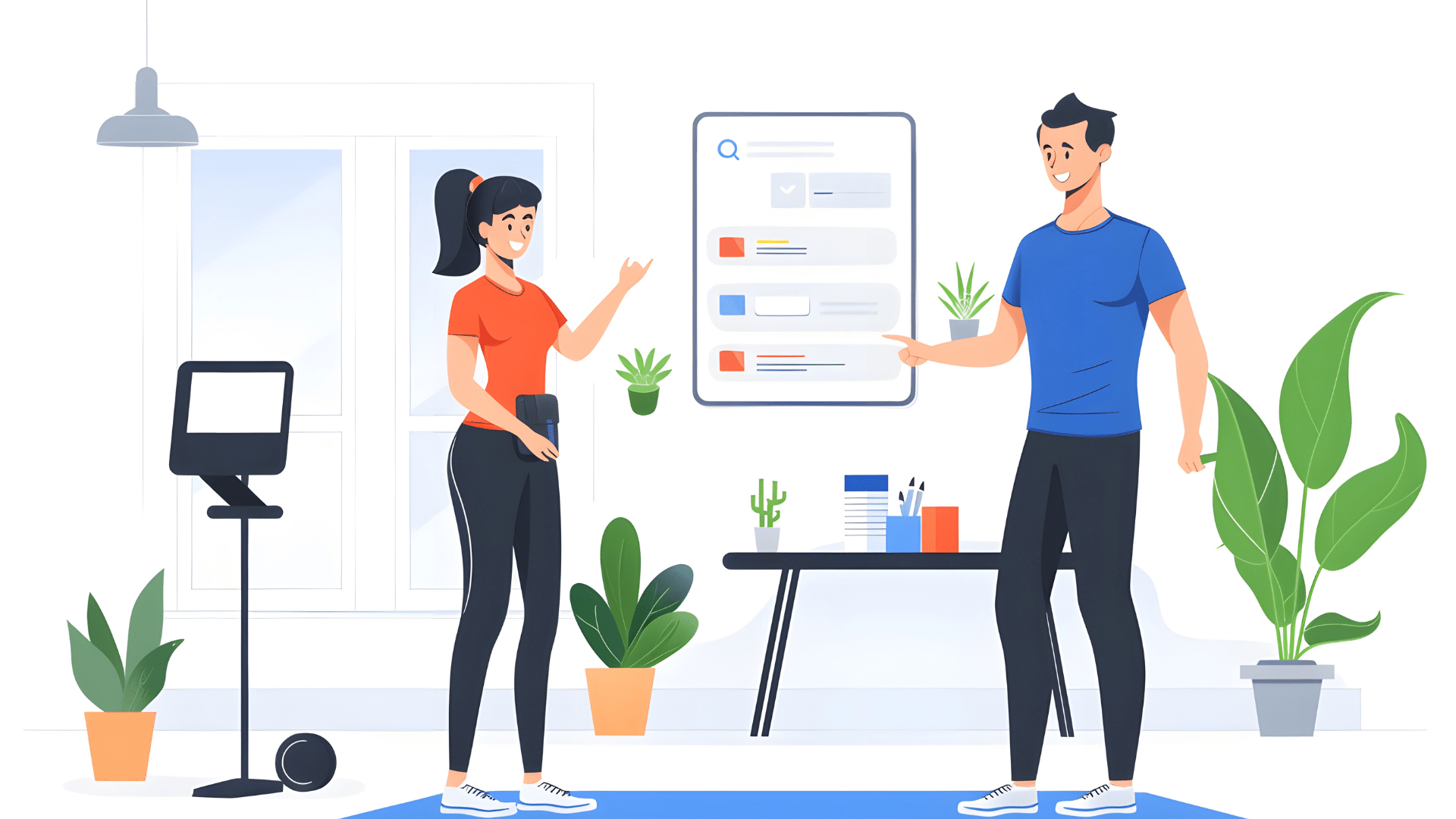
In health and fitness, personalization has become a key trend that reshapes how individuals approach their wellness journeys. Customized fitness plans are at the forefront of this revolution, enabling users to engage with their fitness goals in ways that are tailored specifically to their needs and preferences.
This article explores the significance of customized fitness plans in apps, their benefits, and how Fitness App Development services are leading this transformation.
The Importance of Personalization in Fitness
Historically, fitness programs often adopted a one-size-fits-all approach, which can leave many users feeling frustrated or disengaged. Different individuals have unique body types, fitness levels, and goals, making it essential for fitness solutions to offer customized plans that address these variations.
Personalized fitness plans allow users to take ownership of their fitness journeys by considering their specific goals—be it weight loss, muscle gain, or improving overall health. This tailored approach not only increases motivation but also enhances the likelihood of success, as users are more likely to stick with a program that aligns with their personal preferences and lifestyle.
Key Features of Customized Fitness Plans in Apps
Data-Driven Personalization
One of the most significant advantages of modern fitness apps is their ability to leverage data for personalization. By gathering information about users through questionnaires, assessments, and ongoing activity tracking, these apps can develop customized fitness plans that evolve over time.
For example, if a user’s primary goal is to build strength, the app can analyze their performance metrics—such as the weights lifted and repetitions completed—and adjust their workout plans accordingly. This data-driven approach ensures that users are constantly challenged and engaged, preventing plateaus and stagnation in their progress.
Flexibility and Adaptability
Customized fitness plans can offer the flexibility that users need to maintain consistency in their workouts. Life is unpredictable, and users often face changes in their schedules, energy levels, and commitments. Fitness apps that provide adaptable plans allow users to modify their workouts based on their current circumstances.
For instance, if a user has a busy week and can only spare 20 minutes for a workout, the app can suggest a quick, high-intensity interval training (HIIT) session that fits their time constraints. This adaptability not only keeps users engaged but also fosters a sense of achievement, as they can still make progress even when faced with challenges.
Integration with Wearable Technology
The integration of wearable technology, such as fitness trackers and smartwatches, significantly enhances the effectiveness of customized fitness plans. Wearable devices can continuously monitor various health metrics, including heart rate, sleep patterns, and daily activity levels, providing valuable data for the fitness app.
By utilizing this data, fitness apps can create more accurate and responsive plans. For example, if a user is not getting enough sleep, the app might suggest lighter workouts or incorporate recovery-focused activities into their routine. This holistic approach ensures that users are not only working towards their fitness goals but also considering their overall health and well-being.
Community and Support Features
The journey to fitness can sometimes feel isolating, but apps that incorporate community support features can significantly enhance motivation. Customized fitness plans often allow users to connect with like-minded individuals, share their goals, and celebrate each other’s achievements.
Many apps now include features like group challenges, forums, and social sharing options, creating a sense of belonging and accountability. When users feel part of a community, they are more likely to stay committed to their customized fitness plans and find encouragement in their shared experiences.
Expert Guidance and Resources
Customized fitness plans should also be backed by expert guidance. Many fitness apps offer access to certified trainers, nutritionists, and wellness coaches who can provide personalized advice and support.
These experts can help users navigate their fitness journeys more effectively, offering insights on exercise techniques, nutrition strategies, and mental wellness. This access to professional guidance enhances the credibility of the customized plans and empowers users to make informed choices.
The Role of Development Services in Customization
To effectively implement customized fitness plans, businesses must partner with a reputable app development company in USA. These experts can design user-friendly interfaces, integrate advanced algorithms for personalization, and ensure seamless connectivity with wearable devices.
Investing in quality development services is crucial for creating a robust and scalable app that meets users’ needs. As competition in the fitness app market increases, the emphasis on personalization will be a significant differentiator, making it essential for companies to prioritize customization in their app development efforts.
Conclusion
Customized fitness plans represent the future of personalization in fitness apps, enabling users to engage with their wellness journeys in meaningful ways. By leveraging data-driven insights, providing flexibility, integrating with wearable technology, fostering community support, and offering expert guidance, these apps empower individuals to take control of their fitness goals.
Read More: Key Differences Between Micro SaaS and SaaS