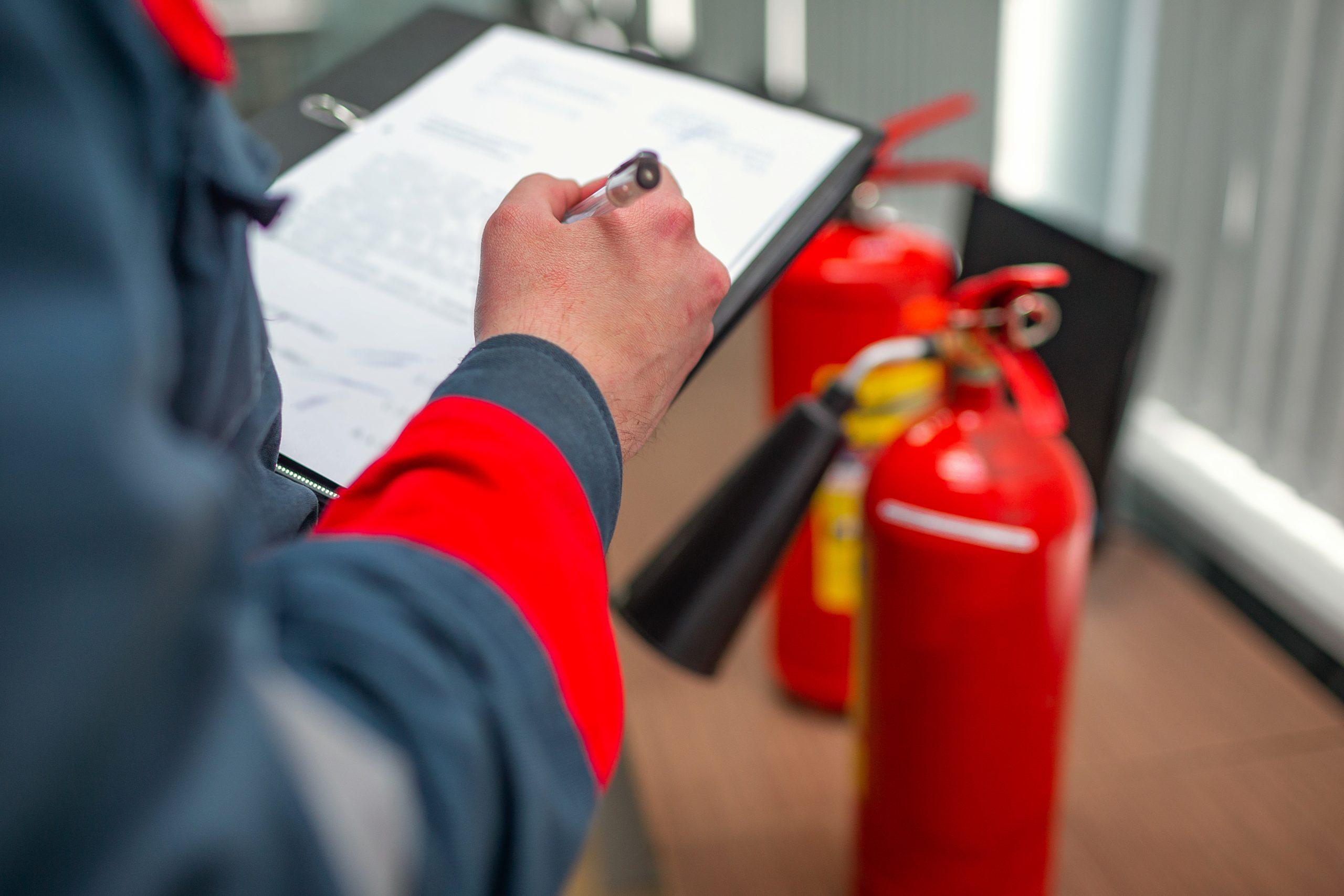
Fire protection systems are a critical component of modern building safety, playing an essential role in safeguarding lives, preserving property, and ensuring compliance with building codes. As buildings become more complex and taller, the need for robust and effective fire protection systems has never been more significant. These systems are designed to prevent fires, contain them if they occur, and provide the means for safe evacuation. In this article, we will explore the importance of fire protection systems, the different types of systems in use today, and how they contribute to the overall safety of modern buildings.
The Evolution of Fire Protection Systems
Historically, fire protection systems were simple and often ineffective. Early buildings were primarily constructed from wood and other flammable materials, and firefighting efforts were limited to manual methods like buckets of water and hand-pumped hoses. Over time, however, as cities grew and buildings became taller and more complex, it became clear that more sophisticated methods were needed.
Today, fire protection has evolved into a comprehensive system of engineering, technology, and design aimed at preventing, controlling, and mitigating the effects of fires. The introduction of automatic fire detection, suppression systems, and advanced evacuation technology has dramatically changed the way fires are handled in buildings.
Why Fire Protection Systems Are Essential
Fire protection systems are essential for several reasons, all of which center around saving lives and minimizing damage. Here are some of the primary reasons why these systems are indispensable:
- Life Safety: The foremost priority of any fire protection system is to ensure the safety of occupants. Automated systems like fire alarms, sprinklers, and smoke detectors help evacuate people before the fire spreads, reducing the risk of injury and death.
- Property Protection: Fires can cause devastating damage to property, including structural damage and the destruction of valuable equipment, documents, and inventory. Fire suppression systems like sprinklers can help contain fires early, limiting the scope of damage.
- Code Compliance: Many local and international building codes require the installation of fire protection systems in commercial and residential buildings. Compliance with these regulations is not only a legal requirement but also an important safety measure.
- Business Continuity: In commercial settings, fire damage can result in prolonged downtime, which can be costly for businesses. Effective fire protection systems minimize this risk by ensuring that fires are controlled quickly and efficiently, allowing businesses to return to normal operations sooner.
- Environmental Protection: Large fires can release harmful pollutants into the environment. Fire protection systems, particularly suppression systems, can help minimize the environmental impact of fires by controlling the spread of toxic smoke and pollutants.
Types of Fire Protection Systems
Modern fire protection systems are multifaceted, designed to work together to address various fire hazards. These systems can be broadly categorized into detection, suppression, containment, and evacuation systems. Let’s take a closer look at each category.
1. Fire Detection Systems
Early detection is critical in preventing the spread of fire. Modern fire detection systems are designed to quickly identify the presence of smoke, heat, or flames, alerting building occupants and authorities to take necessary action. There are several types of fire detection systems:
- Smoke Detectors: These devices detect the presence of smoke in the air. There are two main types: ionization detectors, which are more responsive to flaming fires, and photoelectric detectors, which are better at detecting smoldering fires.
- Heat Detectors: These detectors respond to changes in temperature. Fixed-temperature detectors activate when the temperature exceeds a certain threshold, while rate-of-rise detectors are designed to trigger when the temperature rises rapidly.
- Flame Detectors: These detectors sense the infrared or ultraviolet radiation emitted by flames. They are typically used in areas where fast-growing fires are expected, such as in industrial settings.
Fire alarms are typically integrated with these detection systems, providing audible and visual alerts to building occupants.
2. Fire Suppression Systems
Once a fire has been detected, suppression systems work to control or extinguish the flames before they can spread. There are various types of fire suppression systems, each suited to different building environments and fire hazards:
- Sprinkler Systems: Fire sprinklers are one of the most common and effective suppression systems in buildings. Sprinklers automatically activate when they detect heat, spraying water to suppress the fire. These systems can be tailored to suit the building’s layout and the specific hazards present.
- Water Mist Systems: These systems use fine water mist to suppress fires, especially in sensitive areas where traditional sprinklers may cause damage, such as data centers and museums.
- Gaseous Suppression Systems: For areas with high-value equipment or where water could cause extensive damage, gaseous suppression systems like CO2 or FM-200 systems are often used. These systems displace oxygen or absorb heat to suppress the fire without damaging the environment.
- Foam Systems: Foam is used to suppress flammable liquid fires, such as those in aircraft hangars or chemical plants. Foam creates a blanket over the fire, preventing oxygen from fueling the flames.
3. Fire Containment Systems
Fire containment systems are designed to slow the spread of fire and smoke, giving occupants more time to evacuate and allowing firefighters to gain control. These systems include:
- Fire Doors: Fire-rated doors are designed to resist fire and smoke for a certain period, preventing the spread of flames between rooms or floors. These doors are essential in high-rise buildings where vertical fire spread can be a significant concern.
- Fire-Resistant Materials: The use of fire-resistant materials in the construction of walls, ceilings, and floors can help contain fires and prevent them from spreading to other areas. Many modern buildings are built with materials that can withstand the heat of a fire for a specific time.
- Compartmentalization: Buildings are often divided into fire-resistant compartments to limit the spread of smoke and fire. This method ensures that a fire remains contained in one area, protecting other parts of the building.
4. Fire Evacuation Systems
Evacuation is one of the most critical aspects of fire protection. Modern buildings are equipped with systems designed to facilitate the safe and efficient evacuation of occupants in case of fire:
- Emergency Lighting: Emergency lights and exit signs are strategically placed to guide people to exits, even in smoky or dark conditions. These lights are powered by backup batteries and are activated when the regular power supply fails.
- Emergency Alarms: Audible and visual alarms alert building occupants to evacuate in an orderly fashion. Alarms should be loud enough to overcome the ambient noise of the building and must be paired with clear instructions.
- Evacuation Lifts: Some buildings are equipped with evacuation lifts that are designed to function even in the event of a fire. These lifts can help transport people, especially those with mobility issues, to safety.
- Smoke Control Systems: In high-rise buildings or large, open spaces, smoke control systems prevent the accumulation of smoke in escape routes. These systems use fans and vents to direct smoke out of the building or to designated safe zones.
Integration and Modern Technology in Fire Protection Systems
The integration of various fire protection systems into a cohesive and automated network has significantly improved their effectiveness. In modern buildings, fire detection, suppression, and evacuation systems are often interconnected, allowing for faster response times and better coordination between systems.
Additionally, advancements in technology have led to the development of smart fire protection systems that utilize sensors, IoT (Internet of Things) technology, and artificial intelligence (AI) to enhance the performance of fire safety systems. For example:
- Smart Fire Detection: Some modern fire detection systems can automatically notify emergency services, track the location of the fire, and provide real-time updates to building occupants.
- AI in Fire Safety: AI-powered systems can analyze data from multiple sensors and cameras to identify potential fire hazards early, even before visible signs of smoke or heat.
- Remote Monitoring: Many fire protection systems now allow remote monitoring, enabling building managers or safety personnel to check the status of fire protection systems in real-time, regardless of their location.
Conclusion
Fire protection systems are an indispensable part of modern building safety. With the increasing complexity of buildings and the growing need for fire prevention, suppression, and evacuation solutions, these systems have become more sophisticated and integrated. They ensure that buildings remain safe, reduce the risk of property damage, and help save lives. By understanding the importance and components of fire protection systems, we can better appreciate how they contribute to the overall safety of our built environments. As technology continues to evolve, fire protection systems will only become more effective, making our buildings safer and more resilient to fire hazards.