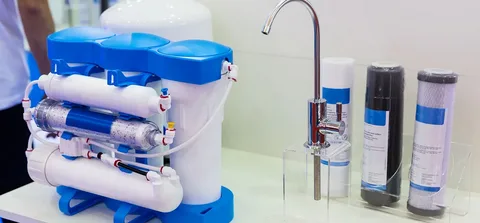
Are you tired of wondering what’s really in your tap water? Concerned about contaminants, taste, or the environmental impact of bottled water? You’re not alone! With so many options on the market, choosing the right drinking water filter for your home can feel overwhelming. But fear not—this ultimate guide is here to simplify your decision-making process and empower you to make an informed choice that suits your family’s needs. From understanding different filtration technologies to identifying key factors that affect performance and maintenance, we’ve got you covered! Dive in with us as we explore how clean, delicious water can be just a filter away—because every sip should be refreshing and worry-free!
Introduction to the importance of clean drinking water and the need for a water filter in the home.
Clean drinking water is essential for our health and well-being. Yet, many of us are unaware of the potential contaminants lurking in our tap water. From harmful chemicals to unpleasant tastes and odors, the quality of our drinking water can be compromised. This reality makes having a reliable drinking water filter at home not just a luxury but a necessity.
With countless options on the market, choosing the right filter can feel overwhelming. Do you go for carbon filters that promise purity? Or perhaps reverse osmosis systems that remove impurities down to the molecular level? As we navigate this decision together, we’ll explore various types of filters available and help you uncover what best suits your needs.
By investing time into understanding these products, you’re taking an important step towards ensuring safe hydration for yourself and your family. So let’s dive into everything you need to know about selecting the perfect drinking water filter for your household!
Different types of drinking water filters available (carbon filters, reverse osmosis, UV filters, etc.) and their pros and cons.
When exploring drinking water filters, carbon filters are among the most common. They excel at removing chlorine and improving taste. However, they may not be effective against heavy metals or pathogens.
Reverse osmosis systems take a different approach. These use a membrane to eliminate impurities down to tiny particles. Their downside? The filtration process can waste significant amounts of water and strip beneficial minerals too.
UV filters harness ultraviolet light to disinfect water, killing bacteria and viruses without chemicals. While they’re excellent for sanitization, they do require electricity and won’t remove chemical contaminants.
Ceramic filters offer another option by physically blocking sediments and microbes from entering your glass of water. On the flip side, they’re often slower in filtering compared to other methods. Each type serves distinct needs based on your home’s specific requirements and local water quality challenges.
Factors to consider when choosing the Best Water Purifier
When it comes to choosing the best water purifier for your home, there are several factors that you should consider in order to ensure that you are getting the best option for your specific needs. Here are some key factors to keep in mind when making this important decision:
Water Quality:
The first and most important factor to consider is the quality of your tap water. Is it hard or soft? Does it have a high concentration of minerals or contaminants? This information can be obtained through a water quality report from your local municipality or by using at-home testing kits. Understanding the composition of your tap water will help you determine which type of filter will be most effective in removing any impurities.
Type of Contaminants:
Different filters are designed to target specific types of contaminants, such as bacteria, heavy metals, chemicals, or sediment. It is important to identify which contaminants are present in your water so that you can choose a filter that specifically addresses those issues.
Filtration Technology:
There are various types of filtration technologies used in drinking water filters, including activated carbon, reverse osmosis, UV sterilization, and ion exchange. Each technology has its own strengths and weaknesses and is suitable for different types of contaminants. Do your research on each type and determine which one would work best for your particular situation.
Maintenance Requirements:
Some filters require more maintenance than others, such as regularly changing out cartridges or cleaning certain parts. Consider how often you are willing and able to perform maintenance tasks when choosing a filter.
Flow Rate:
The flow rate refers to how quickly water can pass through the filter system. If you have a large household with high water consumption needs, it may be beneficial to invest in a filter with a higher flow rate so that everyone has access to clean drinking water without experiencing reduced pressure.
By considering these factors, you can make an informed decision when choosing a drinking water filter for your home. It is important to remember that no single filter will be able to remove all contaminants, so it may be necessary to use multiple filters or combine different technologies for optimal results. Ultimately, the right drinking water filter will provide your household with clean, safe, and great-tasting water for years to come.
Comparison of popular brands and models of drinking water filters.
When it comes to drinking water filters, several brands stand out in the market. Each offers unique features catering to different needs.
Brita is a household name known for its simplicity and affordability. Their pitchers are easy to use and perfect for casual drinkers looking for basic filtration.
Aquasana takes things up a notch with their under-sink systems. They focus on removing more contaminants while retaining essential minerals, making them ideal for health-conscious consumers.
For those who want advanced technology, APEC’s reverse osmosis systems provide thorough purification. Though they can be pricier, many users swear by the taste of their ultra-pure water.
Berkey filters appeal to off-grid enthusiasts and emergency preparedness fans due to their portability and robust design. These gravity-fed systems are excellent for filtering untreated water sources during camping trips or emergencies. Knowing your preferences will help you select the right option from these reputable brands.
How to properly install a Water Purifier Filter
Installing a water purifier filter in your home is a smart and effective way to ensure safe and clean drinking water. With so many options available in the market, it can be overwhelming to choose the right one for your home. However, once you have selected the perfect filter, the next important step is its proper installation.
Here are some detailed steps on how to properly install a water purifier filter in your home:
Step 1: Gather all necessary tools and materials
Before starting the installation process, make sure you have all the necessary tools and materials handy. This may include a wrench, screwdriver, Teflon tape, new filter cartridge, tubing cutter (if needed), and any other specific parts that come with your particular filter model.
Step 2: Shut off water supply
The first step before installing any type of water filtration system is to shut off the main water supply valve. This will prevent any accidental leaks or spills during the installation process.
Step 3: Choose a suitable location for installation
Selecting an appropriate location for your water purifier filter is crucial as it will determine its efficiency and functionality. Ideally, it should be installed near the main source of water in your home, such as under the kitchen sink or near the main kitchen faucet.
Step 4: Install mounting bracket (if needed)
If your chosen filter model comes with a mounting bracket, then you need to secure it onto the wall using screws provided with it. Make sure to use anchors if required for added stability.
Step 5: Connect inlet and outlet ports
Next, connect one end of the flexible tubing provided with your filter kit to the inlet port on top of your purifier unit. Then attach another end to either an existing cold-water pipe or directly into an existing faucet using fittings supplied with your kit.
Step 6: Install new cartridge
Carefully remove packaging from new cartridge without touching its surface and insert it into the filter unit. Make sure to follow manufacturer’s instructions for proper installation.
Step 7: Turn on water supply and check for leaks
Once all connections are secure, turn on the main water supply valve and check for any potential leaks. If there are any noticeable leaks, tighten the fittings accordingly.
Following these simple steps will ensure a hassle-free and proper installation of your water purifier filter. It is also recommended to read the manufacturer’s manual before starting the process for specific instructions related to your chosen model. By installing a water purifier filter correctly, you can enjoy clean and safe drinking water in your home for years to come.
Additional features to look for in a drinking water filter (alkaline enhancement, mineralization, etc.).
When selecting a drinking water filter, consider features that enhance the quality and taste of your water. Alkaline enhancement is one such feature. It raises the pH level of your water, making it less acidic. Many users appreciate the smoother flavor it provides.
Mineralization is another attractive option. Filters with mineralization add essential minerals back into your water after filtration, improving both its nutritional value and taste. This can include calcium, magnesium, and potassium—elements vital for overall health.
Some filters also incorporate advanced technologies like UV purification or ion exchange processes to eliminate bacteria and heavy metals more effectively. These additional layers of protection ensure that you’re not only drinking clean but also healthy water. Lastly, look for smart features like filter change indicators or app integration for monitoring usage. These conveniences make maintenance easier while ensuring you always have access to optimal drinking water.
Addressing common misconceptions about drinking water filters
One common misconception is that all water filters remove the same contaminants. In reality, different filters target specific impurities. It’s crucial to choose one based on your water quality.
Another myth is that filtered water lacks essential minerals. Some people believe this leads to health issues. However, many high-quality filters retain beneficial minerals while removing harmful substances. Cost also raises eyebrows; many assume a filter is an unnecessary expense. Yet, investing in one can save money over time compared to buying bottled water and reduce environmental waste.
People often think maintenance isn’t necessary once a filter is installed. Regular changes of cartridges or system checks are vital for optimal performance and safety. Lastly, some hesitate due to fears about installation complexity. Many modern systems are user-friendly and come with straightforward guides, making setup accessible for most homeowners.
Benefits of using a drinking water filter
Using a drinking water filter offers numerous advantages that extend beyond mere convenience. For starters, clean water plays a crucial role in maintaining good health. Contaminants such as heavy metals, bacteria, and chemicals can pose serious risks if consumed regularly. A quality filter effectively removes these harmful substances, reducing the likelihood of gastrointestinal issues and other health concerns.
Cost savings are another significant benefit. While there may be an initial investment in purchasing a filtration system, the long-term savings on bottled water or frequent municipal testing can be substantial. You’ll not only reduce your household expenses but also minimize trips to the store for bottled products.
From an environmental perspective, using a drinking water filter helps decrease plastic waste dramatically. Each year, millions of plastic bottles end up in landfills and oceans, contributing to pollution and harming wildlife. By filtering your own tap water at home, you contribute to lessening this impact while enjoying fresh-tasting hydration without all the packaging waste. Thus, investing in a drinking water filter is not just about improving personal well-being; it’s also an effective way to make environmentally conscious choices while benefiting your wallet over time.
Conclusion
Choosing the right drinking water filter for your home is an important decision that can greatly impact the health and safety of you and your family. With so many options available, it can be overwhelming to determine which one is best for your specific needs. First, identify any contaminants or impurities in your water by getting a water quality report from your local utility company. This will help narrow down the type of filter you need. Consider factors such as filter size, ease of installation and maintenance, and cost when making your decision. Remember to regularly change or replace filters according to manufacturer instructions to ensure optimal performance.
FAQs:
Q: How often should I change my drinking water filter?
A: The frequency of changing a water filter depends on the type of filter you have. A general guideline is every 3-6 months for carbon filters, every 1-2 years for reverse osmosis systems, and every 6-12 months for UV filters. However, it’s important to follow the manufacturer’s instructions for specific guidance.
Q: Are all drinking water filters capable of removing lead?
A: Not all drinking water filters are designed to remove lead. Check the specifications of a filter before purchasing to ensure it has been certified by NSF International or another reputable organization as effective in removing lead.
Q: Can I install a drinking water filter myself?
A: Some filtration systems may require professional installation, while others can easily be installed by following instructions provided by the manufacturer. It’s best to check with the specific brand or consult with a plumber if unsure about installation requirements.
| Related Business Listings |
| Contact Directory |
| Local Business Profiles |